
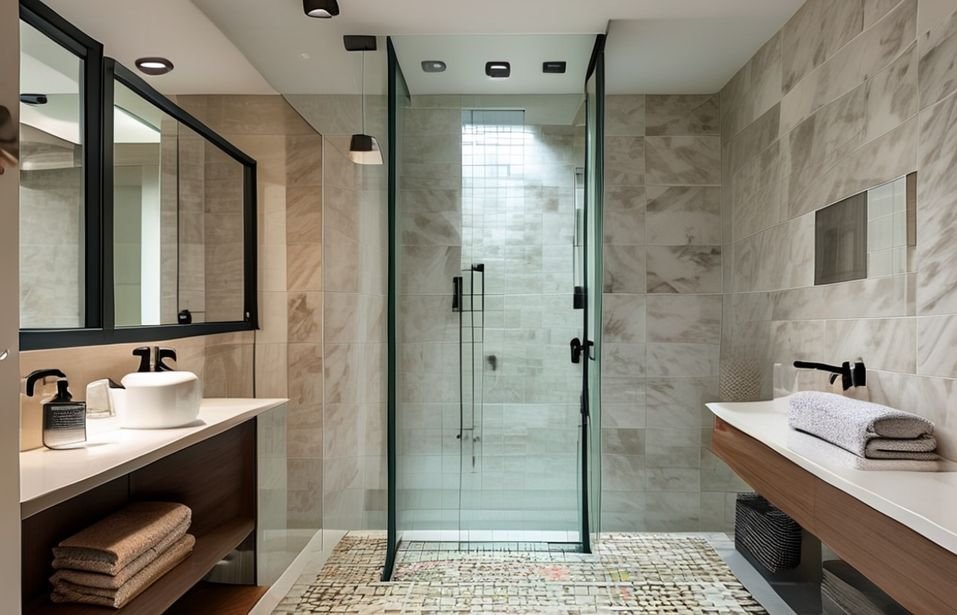
What is a Curbless Shower?
A curbless shower, also known as a zero-entry shower, is a shower without a raised threshold or curb. The shower floor is flush with the rest of the bathroom floor, creating a seamless transition. This design offers both aesthetic appeal and practical advantages, making it an increasingly popular choice for homeowners in Greater Boston.
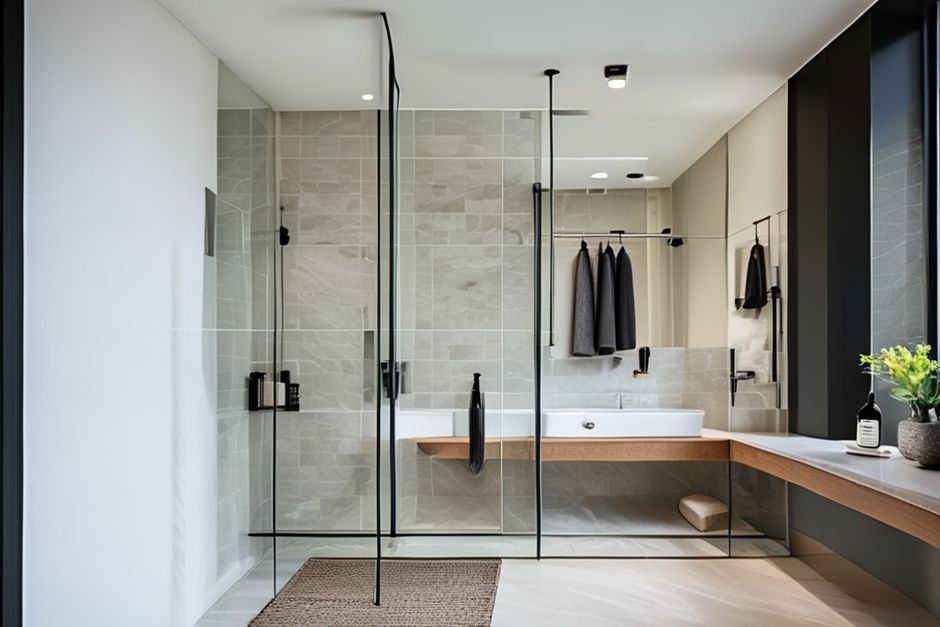
Quick note: If you’re researching curbless shower boston, this guide explains the design choices, planning steps, and common pitfalls Boston homeowners should know before starting.
In older homes, especially prevalent in Boston, accessibility can sometimes be challenging. A curbless shower eliminates the need to step over a curb, improving safety for individuals of all ages and mobility levels. This feature is particularly beneficial for those with limited mobility, seniors, or individuals planning to age in place.
Benefits of Choosing a Curbless Shower in Boston
Beyond aesthetics and accessibility, a curbless shower offers several key advantages relevant to Boston homeowners:
- Enhanced Accessibility: As mentioned, the absence of a curb makes the shower easily accessible to everyone, regardless of mobility limitations.
- Modern Design: Curbless showers create a clean, contemporary look that can elevate the overall design of your bathroom. They contribute to a more open and spacious feel, which is especially valuable in smaller Boston bathrooms.
- Easier Cleaning: Without corners or edges to trap dirt and grime, curbless showers are generally easier to clean and maintain. The smooth, continuous surface allows for quick and efficient cleaning.
- Increased Home Value: A well-designed and executed curbless shower can increase the resale value of your home, appealing to a wider range of potential buyers.
- Customization Options: Curbless showers offer endless design possibilities. You can choose from a variety of tile options, showerheads, and accessories to create a shower that perfectly suits your style and needs.
Keep in mind that planning a curbless shower in Greater Boston might involve unique considerations. Many homes are older, requiring careful assessment of the existing floor structure and plumbing. Proper waterproofing is essential to prevent leaks and water damage, especially in areas with colder winters and higher humidity. Working with a reputable contractor familiar with local building practices ensures a successful outcome.
Key Considerations for a Curbless Shower Installation
Installing a curbless shower requires careful planning and execution. Here are some important factors to consider:
Floor Slope and Drainage
Proper drainage is crucial for a curbless shower. The shower floor must be sloped gently towards the drain to prevent water from escaping into the bathroom. This slope typically ranges from ¼ inch to ½ inch per foot. The location and size of the drain are also important factors to consider. Linear drains, which run along one edge of the shower, are a popular choice for curbless showers because they offer excellent drainage and a sleek aesthetic.
Waterproofing
Waterproofing is paramount to prevent water damage. A robust waterproofing system should be installed beneath the tile to protect the subfloor and surrounding walls. This typically involves applying a waterproof membrane or sealant to all surfaces within the shower enclosure. Attention to detail is critical, especially around corners, seams, and penetrations.
Ventilation
Proper ventilation is essential to prevent moisture buildup and mold growth. Ensure your bathroom has adequate ventilation, either through a window or an exhaust fan. In Boston, where many older homes might lack modern ventilation systems, upgrading the bathroom fan is often a worthwhile investment.
Barrier-Free Design
To truly maximize the benefits of a curbless shower, consider incorporating other barrier-free design elements. This might include installing grab bars, a shower seat, and adjustable showerheads. These features enhance safety and comfort for individuals of all ages and abilities. These factors are worth considering, particularly in areas like Newton, Wellesley, and Weston where aging-in-place design is increasingly requested.
Condo Considerations
If you live in a condo in areas like Boston, Brookline, or Quincy, it’s important to consult with your condo association before starting any bathroom remodeling project. You may need to obtain approval for your plans and ensure that the project complies with all applicable building codes and regulations. Coordinating with your condo association upfront can help avoid potential delays and complications down the road. Getting their buy-in on a new curbless shower boston remodel is a must.
Choosing the Right Materials and Design
The materials you choose for your curbless shower will significantly impact its appearance, durability, and maintenance requirements. Consider these options:
- Tile: Tile is the most common flooring material for curbless showers. Porcelain, ceramic, and natural stone tiles are all excellent choices. Choose a tile with a slip-resistant surface to enhance safety. Large format tiles can minimize grout lines, simplifying cleaning and creating a more seamless look.
- Shower Pan: While the goal is a curbless design, some installations benefit from a pre-sloped shower pan that sits flush with the surrounding floor. This can simplify installation and ensure proper drainage.
- Glass Enclosures: Glass panels or enclosures can help contain water within the shower area while maintaining an open and airy feel. Consider frameless glass for a sleek and modern look.
- Showerheads: Choose a showerhead that provides adequate water pressure and coverage. Options include fixed showerheads, handheld showerheads, and rain showerheads. Multiple showerheads or body sprays can enhance the showering experience.
Creating a stunning curbless shower boston requires careful attention to design and material selection. Working with a bathroom design professional can help you navigate the many options and create a shower that meets your needs and exceeds your expectations.
FAQ
Question?
How much does a curbless shower cost in Boston?
The cost of a curbless shower installation in Greater Boston varies depending on several factors, including the size of the shower, the materials used, and the complexity of the installation. Expect to invest more than a standard shower remodel due to the precise leveling and waterproofing required. It’s best to obtain quotes from several qualified contractors to get an accurate estimate for your specific project.
Question?
How long does it take to install a curbless shower?
The timeline for a curbless shower installation can range from a few days to a few weeks, depending on the scope of the project. Factors such as the need for plumbing modifications, structural changes, or custom tile work can affect the timeline. Discuss the estimated timeframe with your contractor upfront to ensure you have a clear understanding of the project schedule.
Question?
Is a curbless shower right for my home?
A curbless shower can be a great addition to many homes, but it’s not always the right choice for every situation. Consider your budget, space constraints, and long-term needs. If you’re unsure whether a curbless shower is right for you, consult with a bathroom design professional who can assess your space and provide expert advice.
Question?
Do I need a permit for a curbless shower installation in Norfolk County or Middlesex County?
Permit requirements for bathroom renovations vary depending on your location and the scope of the project. It’s always best to check with your local building department to determine whether a permit is required. Your contractor can also assist you with the permit application process. The need for permits is something that comes up with most requests for a curbless shower boston.
Ready to plan your project? Visit https://bathdesignboston.com/walk-in-showers.html for a Free, no-obligation estimate.
Related Bathroom Remodeling Services
If you’re planning a project in Greater Boston, here are a few helpful service pages: