

Choosing the right bathroom vanity installation in Boston involves more than picking a stylish cabinet. Your vanity must function well in the specific conditions of New England homes, from historic Colonials in Newton to modern condos in Cambridge. This guide walks you through the key decisions and practical considerations so you can plan your bathroom upgrade with confidence.
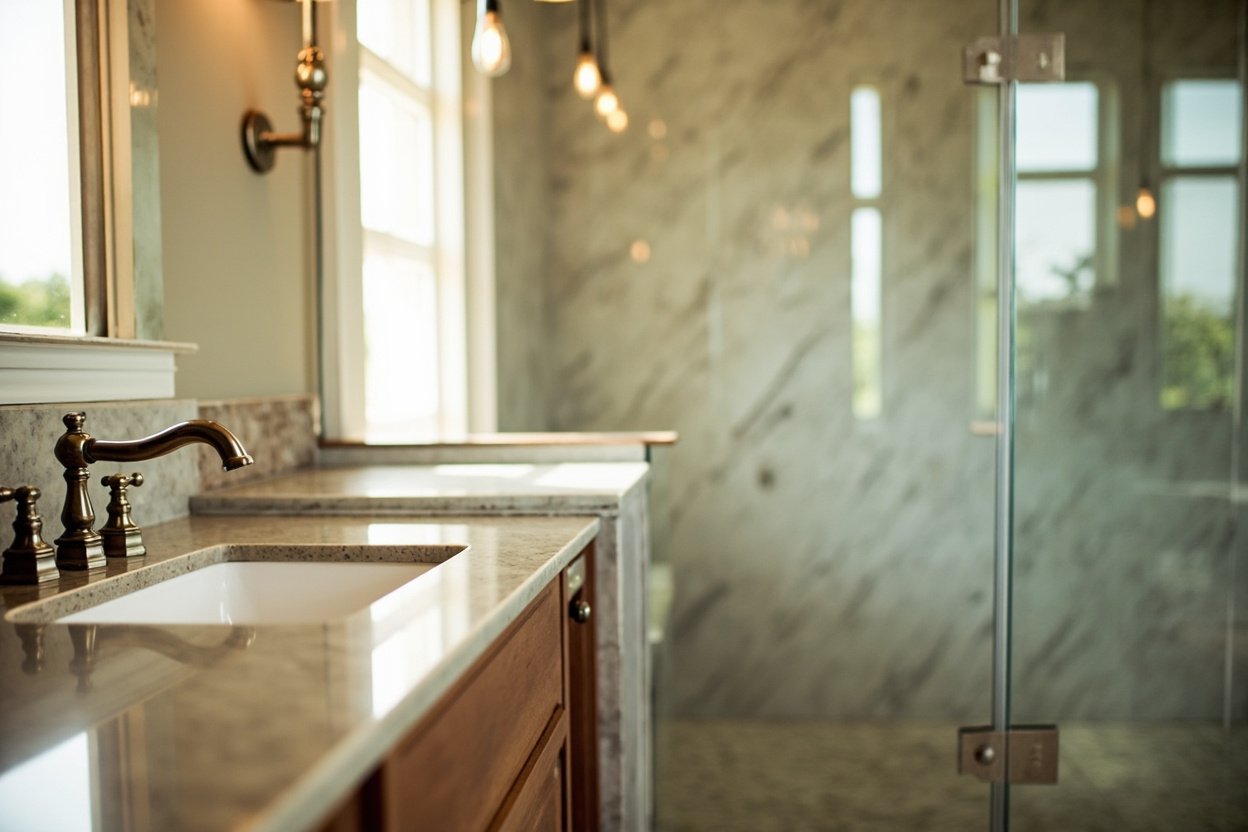
Why the Right Vanity Matters in Boston Homes
Boston-area homes present unique challenges for bathroom remodeling. Many properties in Middlesex County and Norfolk County are decades old, with original plumbing layouts that may not accommodate modern vanity designs without adjustments. A professionally planned vanity installation accounts for these structural realities while maximizing your available space.
The vanity serves as the focal point of most bathrooms. It provides essential storage, houses your sink and faucet, and sets the visual tone for the entire room. Poor installation or wrong sizing leads to water damage, accessibility problems, and costly callbacks that could have been avoided with proper planning from the start.
Choosing the Correct Vanity Size and Layout
Before selecting a vanity style, measure your space carefully. Consider the following factors that affect sizing decisions:
- Clearance requirements allow for cabinet doors and drawers to open fully without obstruction. You need at least 21 inches of clearance in front of the vanity for comfortable use.
- Plumbing locations often dictate where your vanity can be placed. Relocating plumbing adds significant cost, so working with existing drain and supply lines typically makes sense.
- Traffic flow patterns matter especially in smaller bathrooms. The vanity should not block the path between the toilet and shower or create a bottleneck in narrow hallways.
- Wall space for mirrors and lighting affects the overall balance of the room. A double-sink vanity only makes sense if your wall can accommodate adequate mirror space above each basin.
Boston bathrooms frequently have non-standard dimensions due to age and past renovations. Custom vanities or semi-custom options often work better than stock sizes in these situations, allowing you to use every available inch effectively.
Material Choices for Massachusetts Weather and Use
Boston humidity levels fluctuate dramatically throughout the year, and bathrooms endure constant moisture exposure. Your vanity material must withstand these conditions without warping, delaminating, or developing mold problems.
Solid wood vanities offer durability and classic appearance but require proper sealing and ventilation. In older homes with older ventilation systems, solid wood may be prone to moisture issues over time.
Plywood and engineered wood options provide good stability when constructed with moisture-resistant adhesives. Look for products specifically rated for bathroom use rather than standard furniture-grade materials.
Marine-grade or waterproof-core materials represent the best performance in humid conditions. These options cost more initially but tend to last longer in Boston’s variable climate, reducing long-term maintenance needs.
Waterproofing and Ventilation Considerations
Proper bathroom vanity installation in Boston requires attention to moisture management. Water damage ranks among the most common reasons for bathroom renovation callbacks, and much of this damage originates around the vanity and sink area.
Waterproofing behind and around the vanity involves sealing all gaps where the cabinet meets the wall and floor. Professional installers apply appropriate sealants and may recommend backer board or waterproof membranes in critical areas.
Exhaust ventilation plays a crucial role in maintaining vanity longevity. Many Boston homes have bathroom fans that are undersized or improperly vented to attics rather than exterior walls. A quality installation includes assessment of your ventilation system and recommendations for improvements if needed.
Plumbing connections must be leak-free and properly supported. Copper or PEX supply lines and correct drain assembly ensure your vanity remains dry and your floor stays undamaged for years to come.
The Installation Process for Boston-Area Homes
Professional vanity installation typically follows a consistent process adapted to each home’s specific conditions. Understanding what to expect helps you prepare and coordinate with your contractor effectively.
- Site assessment and measurement includes checking wall straightness, floor levelness, and existing plumbing positions. This information shapes installation approach and any preparatory work needed.
- Removal of existing vanity requires disconnecting plumbing carefully and protecting surrounding surfaces from damage. Older homes may have vanity units secured with outdated methods that require extra care during removal.
- Wall and floor preparation addresses any water damage, uneven surfaces, or structural issues discovered once the old vanity is removed. Skipping this step leads to installation problems that become apparent only after the new vanity is in place.
- Vanity placement and leveling ensures the cabinet sits properly and doors operate correctly. Shimming and anchoring to wall studs provide stability that simple wall attachment cannot achieve.
- Plumbing connection and testing verifies leak-free operation of all connections under normal water pressure. This step should always be completed before trim work or backsplash installation.
Coordinating Your Vanity with Other Bathroom Elements
Bath Design Boston offers full bathroom remodels alongside vanity-specific installation. Coordinating your vanity choice with complementary elements creates a cohesive result that performs well and looks professionally designed.
Matching your vanity to tile selections ensures visual harmony between horizontal and vertical surfaces. The vanity countertop material often influences which backsplash options work best aesthetically and functionally.
Coordinating with walk-in showers or tub-to-shower conversions establishes consistent design language throughout the bathroom. Storage needs change significantly when converting from a tub, and vanity selection should reflect your updated storage requirements.
Lighting placement above and around the vanity affects both function and appearance. Sconces or vanity lights should illuminate the mirror area evenly without casting shadows across the face.
Making the Most of Your Boston Bathroom Investment
A quality bathroom vanity installation adds value to your home while improving daily function. Whether you own a historic three-decker in Dorchester or a newer home in Wellesley, thoughtful vanity selection and professional installation deliver lasting benefits.
Consider how your bathroom needs might change over time. A vanity with accessible storage, appropriate heights, and durable materials serves well through different life stages and remains attractive to future buyers when you decide to sell.
Ready to plan? Visit our bathroom remodeling page for Free, no-obligation estimate
Bath Design Boston serves homeowners throughout Greater Boston, Middlesex County, and Norfolk County with professional vanity installation and complete bathroom renovation services. Our team understands the specific requirements of New England homes and delivers installations built to last.
When planning your bathroom vanity installation boston, focus on clear scope, proper waterproofing, and smart layout choices.