
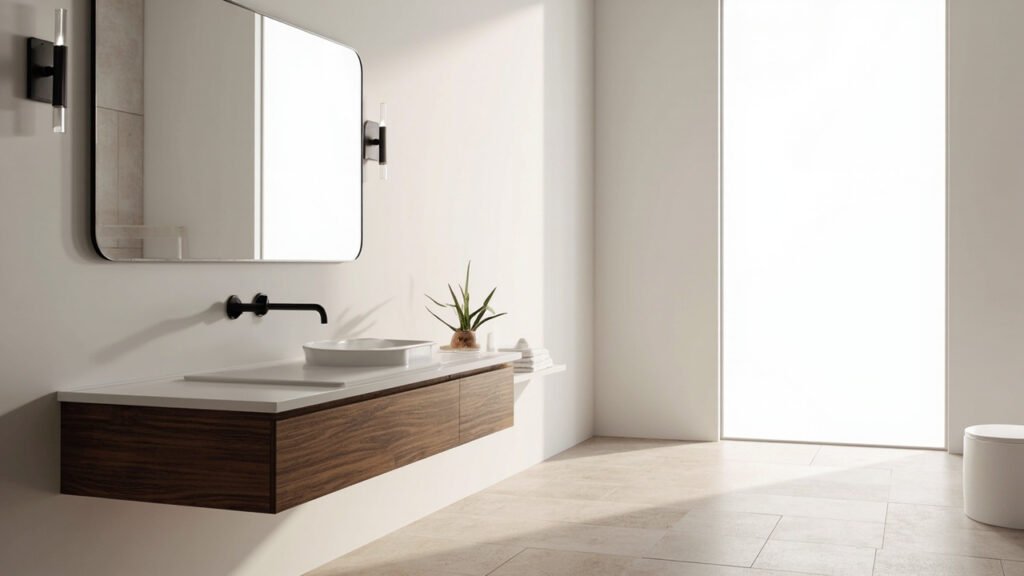
When it comes to bathroom remodeling in Greater Boston, tile installation is one of the most impactful upgrades you can make. From historic homes in Cambridge to modern condos in Back Bay, quality tile work transforms your bathroom while adding lasting value to your property. Bath Design Boston has helped homeowners across Middlesex County, Norfolk County, and the greater Boston area achieve beautiful, durable bathroom spaces that stand up to New England conditions.
Why Tile Remains the Top Choice for Boston Bathrooms
Boston’s climate presents unique challenges for bathroom surfaces. Humidity from summer months and the dry heat of winter create constant moisture fluctuations that can damage inferior materials. Ceramic and porcelain tile offer exceptional water resistance when properly installed, making them ideal for shower enclosures, bathroom floors, and backsplash areas throughout your home.
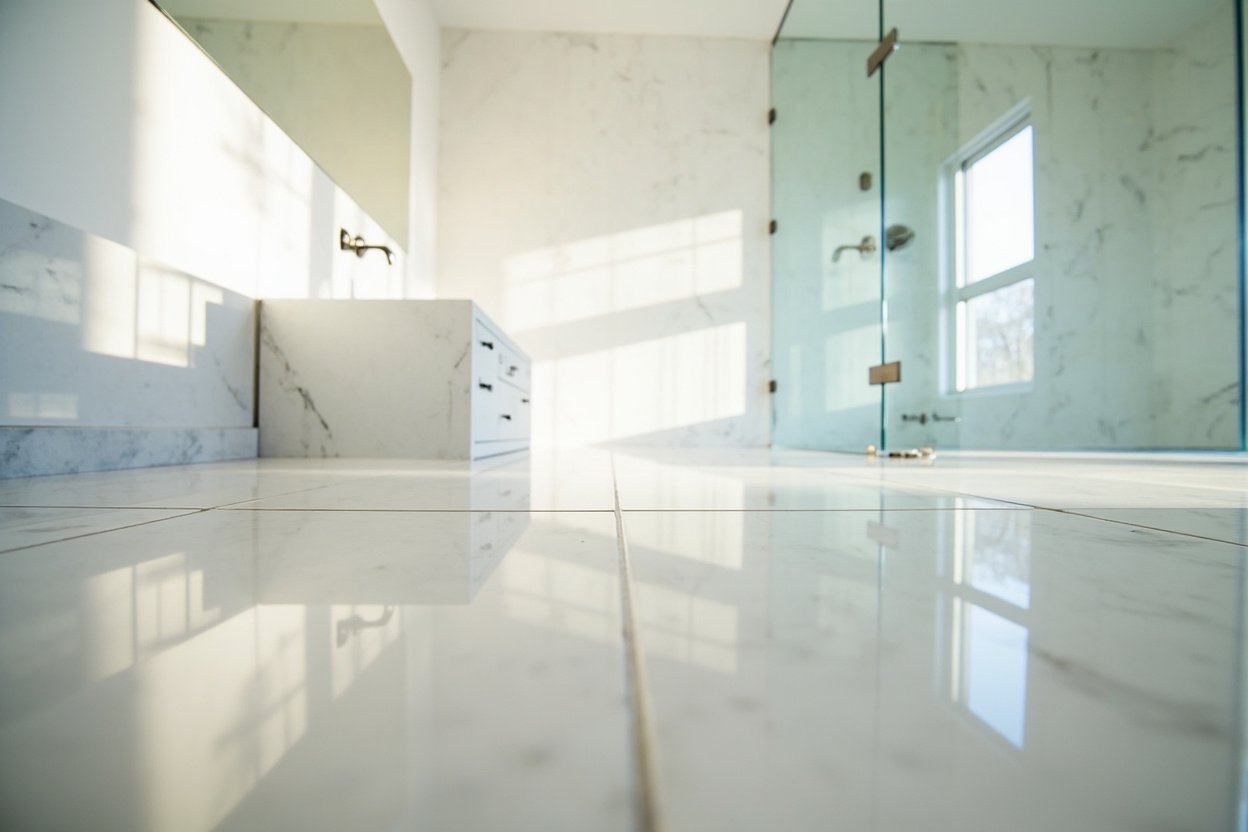
Beyond practicality, tile provides endless design possibilities. Whether you prefer the classic appeal of subway tile in a Beacon Hill brownstone or the contemporary look of large-format porcelain in a newer Newton build, professional tile installation delivers the finish quality Boston homeowners expect.
Key Considerations for Tile Installation in Older Boston-Area Homes
Many homes throughout Greater Boston were built decades ago with construction standards that differ significantly from today’s building codes. Before starting your bathroom tile project, consider these important factors:
- Subfloor assessment: Older homes often have wooden subfloors that may need reinforcement to support tile properly. Water damage from previous leaks is common in historic properties and must be addressed before installation begins.
- Leveling requirements: Many older bathrooms have uneven floors that require self-leveling compounds or mortar beds to create a proper foundation for tile.
- Wall strong> Lath and plaster walls may need to be replaced with cement backer board to support wall tile securely.
- Plumbing positioning: Fixture locations in older homes often do not align with modern bathroom layouts, requiring creative solutions during remodels.
Working with an experienced contractor who understands Boston’s housing stock ensures these underlying issues are identified and resolved before your new tile goes in.
Waterproofing: The Critical Step Many Homeowners Overlook
Water damage is the leading cause of bathroom renovation failures in Massachusetts. Proper waterproofing extends the life of your tile installation by years, protecting your investment and preventing costly repairs to your home’s structure. Professional tile installation includes multiple layers of moisture protection.
A complete waterproofing system typically includes waterproof membrane beneath the tile,密封剂 applied to grout lines, and proper ventilation installation. In bathrooms without windows or with limited airflow—common in Boston’s densely built neighborhoods—ventilation fans become essential rather than optional additions.
Our team assesses each bathroom’s moisture exposure and recommends appropriate waterproofing measures based on how the space is used and the existing ventilation conditions.
Choosing the Right Tile for Your Boston Bathroom
With countless tile options available, selecting materials that balance aesthetics, durability, and practicality can feel overwhelming. Here are the most popular choices for Boston-area bathroom projects:
- Porcelain tile: Denser and more water-resistant than ceramic, porcelain works well for bathroom floors, shower walls, and wet areas. Modern designs can mimic natural stone or hardwood at a fraction of the cost.
- Ceramic tile: Available in an enormous range of colors and patterns, ceramic tile suits walls and low-traffic floor areas. It requires less maintenance than natural stone options.
- Natural stone: Marble, granite, and slate add undeniable elegance but require more maintenance. These materials suit homeowners willing to invest in periodic sealing and careful upkeep.
- Glass tile: Excellent for accent walls and backsplashes, glass tile reflects light beautifully and resists water absorption entirely.
Each material has specific installation requirements. Some tiles need special mortars or adhesives, while others demand particular cutting techniques. Professional installation ensures your chosen materials perform as expected in your specific bathroom environment.
Common Bathroom Layout Challenges in Boston Homes
Space constraints affect nearly every bathroom project in Greater Boston. Small bathrooms in compact apartments and vintage homes require careful planning to maximize functionality without compromising style. Professional tile installation can actually make small bathrooms appear larger through strategic material choices and layout planning.
Horizontal subway tiles elongate narrow walls, while large-format tiles reduce grout lines to create a more spacious feel. Diagonal tile patterns draw the eye across the room, adding visual interest while camouflaging irregular dimensions. Our designers help homeowners navigate these decisions based on their specific floor plans and aesthetic goals.
Planning Your Boston Bathroom Tile Project
Successful tile installation requires thoughtful planning that addresses both design preferences and practical requirements. Consider how your bathroom is used daily, who uses the space, and what maintenance level you are comfortable committing to long-term.
Matching your tile choices to your lifestyle ensures satisfaction for years to come. Families with young children might prioritize durable, easy-clean surfaces, while couples focused on resale value may prefer classic designs with broad appeal.
Ready to plan? Visit our bathroom remodeling page for Free, no-obligation estimate
When planning your bathroom tile installation boston, focus on clear scope, proper waterproofing, and smart layout choices.