
Thinking about converting your bathtub to a walk-in shower in your Boston-area home? You are not alone. Many homeowners in Greater Boston, Middlesex County, and Norfolk County are choosing tub-to-shower conversions as part of their bathroom remodeling projects. Whether your current tub rarely gets used or you want to improve accessibility, this guide will help you understand what the conversion process involves and what to consider before hiring a contractor.
Why Boston Homeowners Are Making the Switch
Boston homes, particularly in communities like Cambridge, Somerville, Brookline, and Newton, often feature bathrooms built decades ago with standard alcove bathtubs. These tubs can be difficult to step over, especially for family members with mobility concerns. A walk-in shower conversion eliminates that barrier and can make your bathroom feel more spacious.
Beyond accessibility, many homeowners find they simply prefer showering over soaking. A well-designed shower with quality fixtures and custom tile can become a standout feature of your bathroom. If you have been dreaming of a modern, spa-like bathroom, starting with a tub-to-shower conversion is often the first logical step.
Key Challenges for Boston-Area Conversions
Older homes in the Greater Boston area frequently present unique challenges that require careful planning. Here are some important factors to account for:
- Floor joist limitations: Many Boston homes have older floor systems that may need reinforcement to support the additional weight of tile and glass enclosures.
- Plumbing configuration: In some older homes, the existing drain and vent lines may not align with standard shower locations, requiring reconfiguration by a licensed plumber.
- Ventilation concerns: Proper ventilation is critical in any bathroom renovation. Bath Design Boston ensures new shower installations include adequate exhaust solutions to prevent moisture damage and mold growth.
- Waterproofing requirements: Boston’s climate and the age of local housing stock make thorough waterproofing essential. Proper membrane installation behind tile and grout helps protect your subfloor and framing for years to come.
Working with an experienced local contractor means these factors get identified and addressed during the planning phase, not discovered mid-installation.
Design Options for Your Shower Conversion
Once the structural and plumbing work is handled, you can focus on the fun part: designing your new shower. There are several approaches to consider.
Curbless walk-in showers offer a sleek, accessible design with no threshold to step over. This option works well if you are planning to age in place or simply want a contemporary look. Curbless installations do require careful floor leveling and often work best when combining with bathroom-wide renovations.
Low-threshold showers provide a middle ground. These have a small curb, typically two to three inches high, which helps contain water while still being much easier to enter than a standard tub. They are a popular choice for Master bathrooms where both accessibility and aesthetics matter.
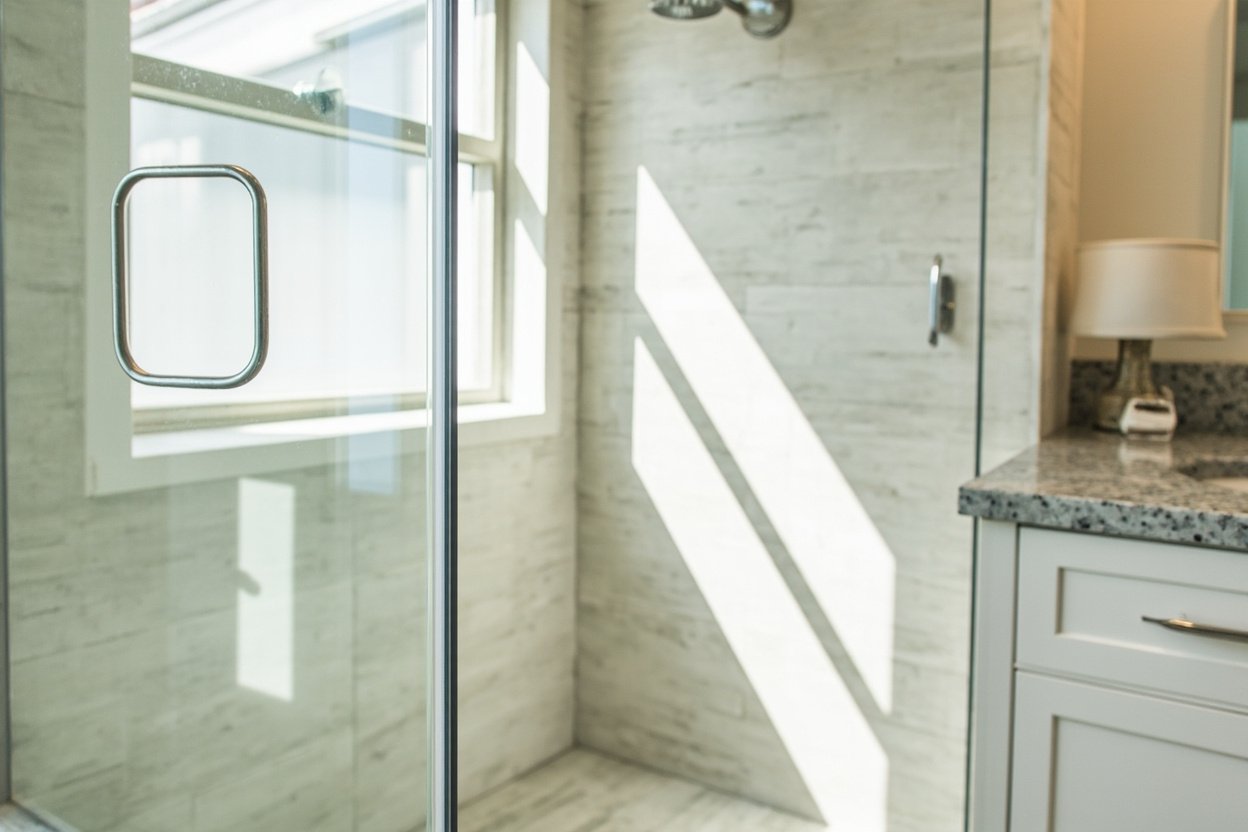
Custom tile work remains one of the most requested features for shower conversions. Subway tile, large-format porcelain, and natural stone each offer distinct visual styles. At Bath Design Boston, our team helps homeowners select materials that balance beauty with durability, keeping Boston’s humidity and temperature swings in mind.
What the Conversion Process Looks Like
Every project is different, but most tub-to-shower conversions in the Boston area follow a general sequence. First, the existing tub and surrounding wall materials get removed. Next, any necessary plumbing adjustments are made. This may include moving the drain location or updating shut-off valves. Then, the subfloor gets inspected and any needed repairs completed.
Waterproofing comes next, and this step should never be rushed. A quality contractor will install proper moisture barriers, especially in older homes where the original construction may not meet today’s standards. After waterproofing, tile or wallboard installation proceeds, followed by fixture installation and final sealing.
Throughout the process, your contractor should communicate clearly about timelines, any unexpected discoveries, and what comes next. If your project involves powder room updates, custom vanities, or broader bathroom remodeling, these elements can often be sequenced to minimize disruption to your household.
Choosing the Right Contractor for Your Boston-Area Project
Not all bathroom remodeling contractors approach tub-to-shower conversions the same way. Look for a company with demonstrated experience in the specific challenges of older Boston-area homes. Ask about their waterproofing process and what materials they use. A contractor who takes time to explain their approach and discuss options for your specific layout is worth considering over one who provides a quick estimate without visiting your home.
Reviews from homeowners in Middlesex County and Norfolk County can give you insight into how a company handles project management, communication, and cleanup. The best contractors treat your home with respect, minimize dust and disruption, and stand behind their work after completion.
Ready to plan? Visit our bathroom remodeling page for Free, no-obligation estimate
Making the Most of Your Bathroom Remodel
A tub-to-shower conversion can be a standalone project or part of a larger bathroom renovation. Many homeowners choose to replace their vanity, update lighting, and add heated flooring at the same time. This approach lets you achieve a cohesive result while managing costs more effectively than spreading work across multiple smaller projects.
Whether you are focusing on a single shower upgrade or planning a full bathroom remodel, taking the time to understand your options before construction begins leads to better outcomes. The right contractor will help you balance design goals, budget considerations, and the practical realities of your Boston home.
When planning your tub to shower conversion boston, focus on clear scope, proper waterproofing, and smart layout choices.