
Quick note: If you’re researching bathroom remodeling boston, this guide covers key considerations for Boston homeowners.
“html”: “
Planning a bathroom remodel in the Boston area means navigating unique challenges that differ from other regions. Whether you own a historic triple-decker in Somerville, a mid-century home in Newton, or a modern condo in Back Bay, understanding the local considerations can save you time, money, and unexpected headaches during your renovation project.
\n\n
Why Boston Homes Require Special Attention
\n
Boston’s housing stock includes some of the oldest structures in the country. Many bathrooms in pre-war buildings have original plumbing, outdated electrical systems, and layouts that no longer meet modern standards. Before starting any bathroom remodeling work in Greater Boston, Middlesex County, or Norfolk County, a thorough assessment of your existing infrastructure is essential.
\n
Older homes often contain galvanized pipes that need replacement, wiring that does not meet current codes, and subfloors that may have water damage from decades of use. Working with a contractor familiar with Boston’s housing types helps identify these issues before construction begins rather than discovering them mid-project.
\n\n
Layout Constraints in Boston Homes
\n
Space is at a premium throughout the Boston metropolitan area. Historic homes were built with smaller bathrooms, and many modern condos present their own spatial challenges. Effective bathroom remodeling requires creative solutions that maximize functionality within limited square footage.
\n
Professional designers consider factors such as doorway swing paths, fixture placement for optimal traffic flow, and storage solutions that do not crowd the space. In older homes, you may encounter non-standard wall dimensions or floor plans that require custom solutions rather than stock fixtures.
\n
Common layout strategies for Boston bathroom remodels include:
\n
- \n
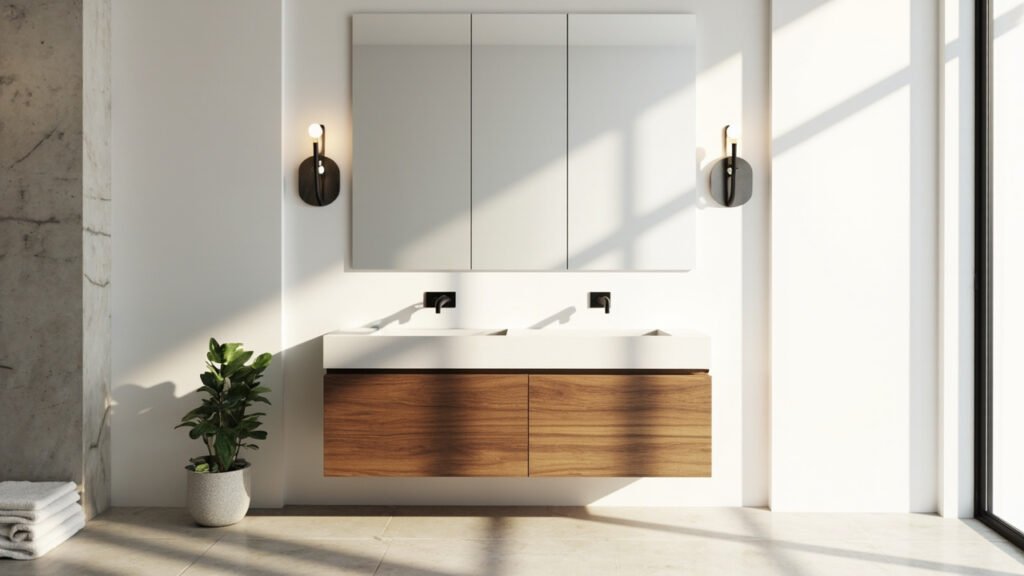
- Installing wall-mounted vanities to create the illusion of more floor space
- Using sliding or pocket doors where swing doors would be impractical
- Choosing corner shower units for smaller bathrooms
- Incorporating recessed medicine cabinets and shelving
- Selecting compact fixtures designed for urban residential applications
\n
\n
\n
\n
\n
\n\n
Ventilation Requirements for Boston Climate
\n
Proper ventilation is critical in any bathroom, but Boston’s humid summers and cold winters create specific challenges. Inadequate ventilation leads to mold growth, peeling paint, and damaged finishes that can compromise your investment. Building codes in many Boston-area municipalities now require exhaust fans that meet specific cubic feet per minute ratings based on bathroom size.
\n
Modern bathroom remodeling projects should include evaluation of existing ventilation systems and upgrades to ensure adequate air exchange. This is especially important in bathrooms without windows or with limited natural airflow. Installing a high-quality exhaust fan with a timer or humidity sensor ensures moisture is properly removed even after you leave the bathroom.
\n\n
Waterproofing and Building Codes
\n
Waterproofing is perhaps the most critical aspect of any bathroom renovation, yet it is frequently overlooked by inexperienced contractors. Boston’s older buildings often have structural issues related to past water damage, and new bathroom remodels must address this risk proactively.
\n
Professional bathroom remodeling includes proper installation of waterproof membranes, sealed shower pans, and moisture-resistant backer boards. These measures protect your home’s structure and prevent costly water damage repairs that often go unnoticed until significant deterioration occurs.
\n
Permit requirements in the Boston area typically require detailed plans that demonstrate code compliance. Working with a contractor who understands local building department requirements helps ensure your project meets all necessary standards for electrical work, plumbing modifications, and structural changes.
\n\n
Choosing Your Bathroom Remodel Approach
\n
Full bathroom remodels offer the opportunity to address all structural, functional, and aesthetic concerns in one project. However, some homeowners prefer to phase their renovations based on budget or lifestyle factors. Common remodeling approaches include complete renovations, targeted upgrades such as walk-in showers or tub-to-shower conversions, and powder room updates that serve specific needs.
\n
Custom tile work, vanity installations, and finishing details add significant value to your home while improving daily functionality. Whether you are updating a master bath for personal enjoyment or preparing a property for sale, thoughtful design choices reflect your priorities while ensuring lasting quality.
\n\n
Making the Most of Your Investment
\n
Bathroom remodeling projects in the Boston area benefit from careful planning that considers both immediate needs and long-term value. Selecting durable materials that can withstand heavy use, choosing timeless designs that appeal to broad preferences, and working with experienced professionals ensures your renovation delivers lasting satisfaction.
\n
Every bathroom has unique characteristics that influence design decisions. What works well in one home may not suit another, even in the same neighborhood. Professional assessment helps identify opportunities and constraints specific to your property, enabling decisions that align with your goals and budget.
\n\n
Ready to plan? Visit our bathroom remodeling page for Free, no-obligation estimate
”
}
When planning your bathroom remodeling boston, focus on clear scope, proper waterproofing, and smart layout choices.