
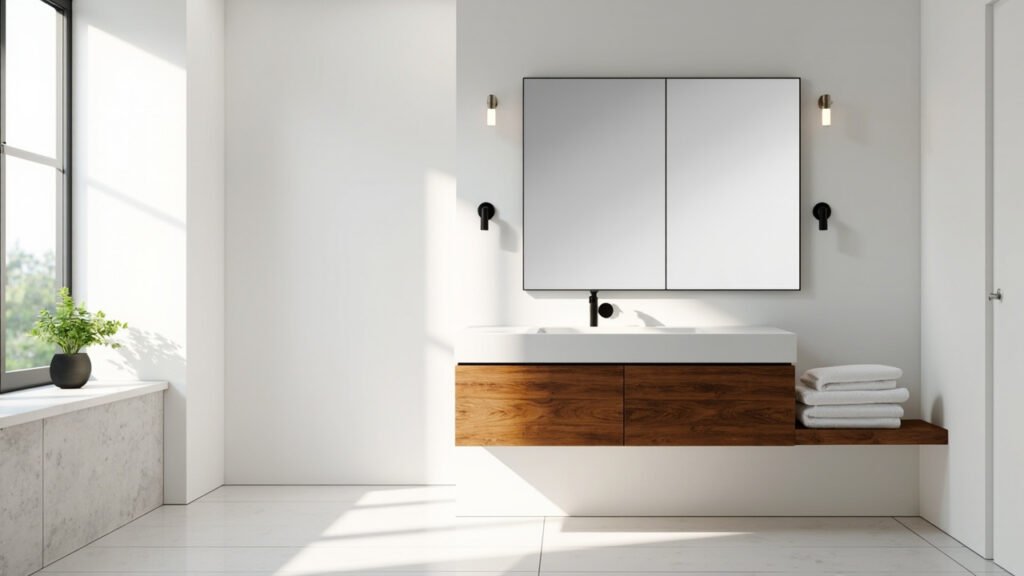
Thinking about a tub to shower conversion in Boston? You’re not alone. Many Greater Boston homeowners are discovering that replacing an outdated bathtub with a modern walk-in shower improves both daily living and home value. Whether you own a classic Victorian in Newton, a mid-century ranch in Framingham, or a historic triple-decker in Quincy, this guide walks you through everything you need to know about converting your tub to a shower in the Boston area.
Why Boston Homeowners Are Making the Switch
The traditional bathtub served generations well, but today’s homeowners have different priorities. Walk-in showers offer unmatched accessibility, making them ideal for homeowners planning to age in place. They also maximize square footage in smaller bathrooms common throughout Greater Boston’s older housing stock. A well-designed shower feels more spacious, cleans easier, and appeals to modern buyers who often prefer showering over soaking.
Beyond lifestyle benefits, a tub to shower conversion often makes financial sense. Homes without a full walk-in shower sometimes sit on the market longer, and many buyers specifically search for this feature when house hunting in competitive Boston-area neighborhoods.
Challenges Unique to Boston-Area Homes
Greater Boston presents specific renovation challenges that experienced local contractors understand intimately. Most homes in Middlesex County, Norfolk County, and surrounding areas were built decades or even over a century ago, meaning your bathroom may have settling foundations, non-standard framing, or outdated plumbing systems.
Older Boston homes frequently feature:
- Galvanized steel pipes that may need replacement during conversion
- Floor joists that aren’t level, requiring careful subfloor preparation
- Limited drainage options due to concrete slab foundations in some basements
- Historic trim and molding that may need restoration after demo
- Non-standard rough-in dimensions from pre-war construction
A qualified Boston bathroom remodeling contractor will assess these factors during an initial consultation and explain how they’ll address each challenge specific to your home’s construction era and condition.
The Conversion Process: What to Expect
Understanding the sequence of work helps set realistic expectations. A professional bathroom remodel typically progresses through distinct phases.
- Initial assessment and design consultation — Your contractor evaluates existing conditions, discusses layout options, and helps you select fixtures and finishes.
- Permit acquisition — Boston-area municipalities require permits for plumbing and structural work. Your contractor handles this paperwork.
- Demolition and disposal — The old tub, surround, and damaged materials get removed. Proper debris handling keeps your property clean.
- Plumbing modifications — Drain lines get repositioned, and old pipes get updated if necessary. This stage often reveals conditions hidden behind walls.
- Waterproofing installation — Critical in Boston’s humid climate, proper waterproofing prevents moisture damage, mold growth, and expensive callbacks.
- Tile and enclosure work — Custom tile, glass enclosures, and finishing details transform the space.
- Fixture installation — Showerhead, controls, glass doors or panels, and any accessories get mounted.
- Final inspection and walkthrough — Your contractor verifies everything functions properly and demonstrates proper maintenance.
Ventilation: A Boston Bathroom Essential
Proper ventilation matters more in New England than in milder climates. Boston’s humidity swings from dry winter air to sticky summer months create condensation challenges that older Boston homes weren’t designed to handle. Without adequate exhaust ventilation, steam damages drywall, warps wood trim, and creates conditions where mold thrives.
During your tub to shower conversion, insist on a properly sized exhaust fan that vents directly outside—not into the attic. Consider features like humidity-sensing switches that activate the fan automatically when moisture levels rise. These small additions protect your investment for decades.
Waterproofing: Protecting Historic and Modern Homes Alike
Waterproofing separates a professional installation from one that causes hidden damage. Even small leaks behind tile work lead to rotted subfloors, compromised wall studs, and toxic mold in Boston’s humidity. Given that many Boston-area homes have original wood framing that’s over 50 years old, protecting structural integrity matters enormously.
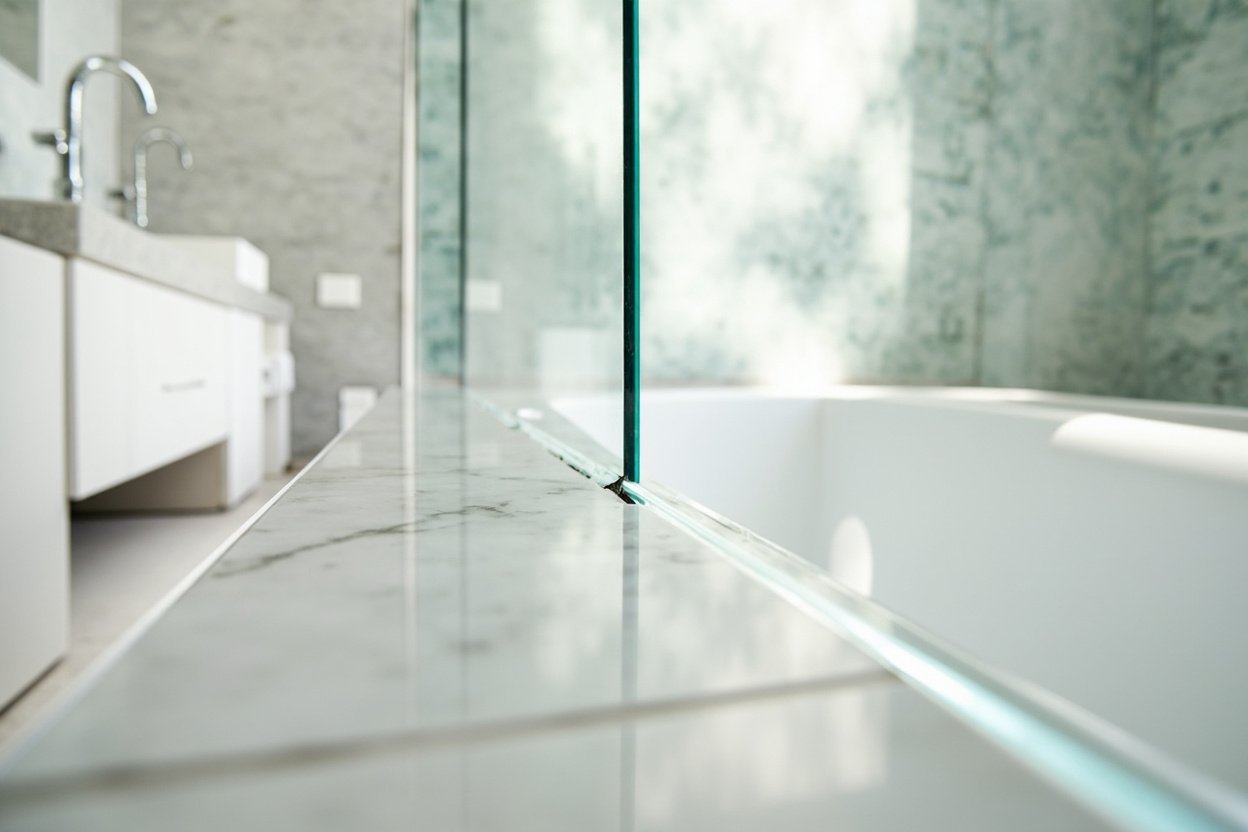
Professional contractors use multiple layers of protection: waterproof membranes behind tile, sealed joints at corners and edges, and properly sloped drainage. Ask potential contractors specifically about their waterproofing approach and material choices. This question separates experienced bathroom remodelers from general handymen.
Design Options for Boston Bathrooms
Modern walk-in showers come in configurations suited to virtually any space. Corner units maximize small bathrooms typical of historic Boston homes. Linear drain designs allow barrier-free entry while maintaining existing floor levels—particularly valuable when working around existing tile or plumbing locations.
Popular finish choices in Greater Boston include:
- Natural stone or porcelain tile that complements colonial and traditional home styles
- Matte-finish fixtures that resist water spots common with Boston’s mineral-rich water supply
- Frameless glass enclosures that make compact bathrooms feel larger
- Built-in niches and benches that add functionality without consuming floor space
Is a Tub to Shower Conversion Right for Your Boston Home?
Consider your household’s needs, your home’s character, and your future plans. A primary bathroom in a home where children bathed for years might benefit enormously from conversion. A guest bathroom seldom used for actual bathing might not justify the investment. Some homeowners opt to convert one tub while keeping another, preserving flexibility while gaining modern convenience.
The ideal candidates for conversion share common traits: they value accessibility, prefer showering, want to modernize dated bathrooms, or aim to increase resale value in competitive Boston neighborhoods.
Choosing Your Boston-Area Bathroom Contractor
Experience matters enormously with bathroom remodels. Look for contractors who specialize in full bathroom remodels and have completed multiple tub to shower conversions in your specific town or city. Familiarity with local building departments, permit requirements, and common construction challenges in Middlesex County and Norfolk County homes ensures smoother projects.
Ask potential contractors about their waterproofing approach, their experience with older home challenges, and whether they handle permits as part of their service. Professional contractors provide clear contracts, detailed timelines, and references from recent local projects.
Ready to plan? Visit our bathroom remodeling page for Free, no-obligation estimate
When planning your tub to shower conversion boston, focus on clear scope, proper waterproofing, and smart layout choices.