
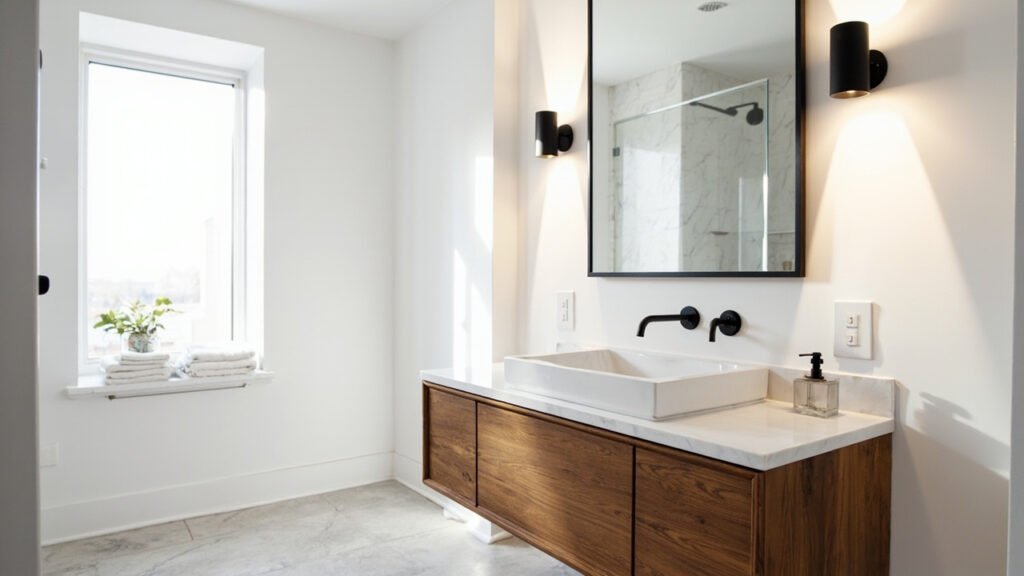
Planning a bathroom renovation in Boston means working with unique architectural challenges and specific building requirements. Whether you own a historic South End brownstone or a mid-century home in Cambridge, understanding the local considerations helps ensure your project succeeds. Bath Design Boston has helped homeowners across Greater Boston, Middlesex County, and Norfolk County transform their bathrooms into modern, functional spaces while respecting the character of their homes.
Common Challenges in Boston Bathroom Renovations
Boston-area homes often present renovation challenges that differ significantly from newer construction. Many homes in the region were built with plaster walls, narrow doorways, and plumbing systems that predate modern building codes. When you undertake a bathroom remodel in an older home, you may encounter structural issues that require attention before work can begin. Our team regularly assesses these conditions during initial consultations to provide accurate project planning.
Layout constraints frequently affect renovation options in historic properties. Original floor plans often prioritize charm over functionality, with smaller bathrooms positioned in ways that limit your design choices. We work with homeowners to maximize available space through strategic layout changes, creative storage solutions, and thoughtful fixture placement.
Ventilation Requirements for Massachusetts Bathrooms
Proper ventilation ranks among the most critical considerations for any bathroom renovation in the Boston area. Massachusetts experiences significant humidity fluctuations throughout the year, and inadequate ventilation leads to moisture problems, mold growth, and damage to building materials. Building codes require exhaust ventilation in bathrooms without windows, and meeting these requirements protects your investment long-term.
We install appropriately sized ventilation fans based on bathroom square footage and typical humidity levels. Modern energy-efficient units operate quietly and include features like humidity sensors that automatically activate ventilation when needed. Proper exhaust venting to the exterior, rather than attics or crawl spaces, prevents moisture accumulation in hidden areas of your home.
Waterproofing and Moisture Management
Bathroom waterproofing requires particular attention in older Boston homes where previous renovations may have used outdated techniques. Waterproofing failures cause damage that extends well beyond the bathroom itself, affecting floor joists, subfloors, and adjacent rooms. Our renovation process includes comprehensive moisture management starting with proper substrate preparation.
We apply waterproof membranes behind tile, seal all shower and tub enclosures completely, and ensure plumbing connections meet current standards. Walk-in showers and tub-to-shower conversions receive extra attention because they eliminate the containment barrier that bathtubs provide. This approach prevents the water damage claims we frequently see in older renovations where shortcuts were taken.
Popular Renovation Options for Boston Homeowners
Several renovation types consistently rank among the most requested projects in our service area. Understanding your options helps you prioritize what matters most for your household needs and property value.
- Walk-in showers: Barrier-free designs appeal to homeowners planning for aging in place and those seeking modern aesthetics. These installations require careful slope planning and threshold design to manage water while maintaining accessibility.
- Tub-to-shower conversions: Many Boston families prefer replacing unused soaking tubs with functional showers. This conversion maximizes bathroom square footage and often provides better daily functionality for busy households.
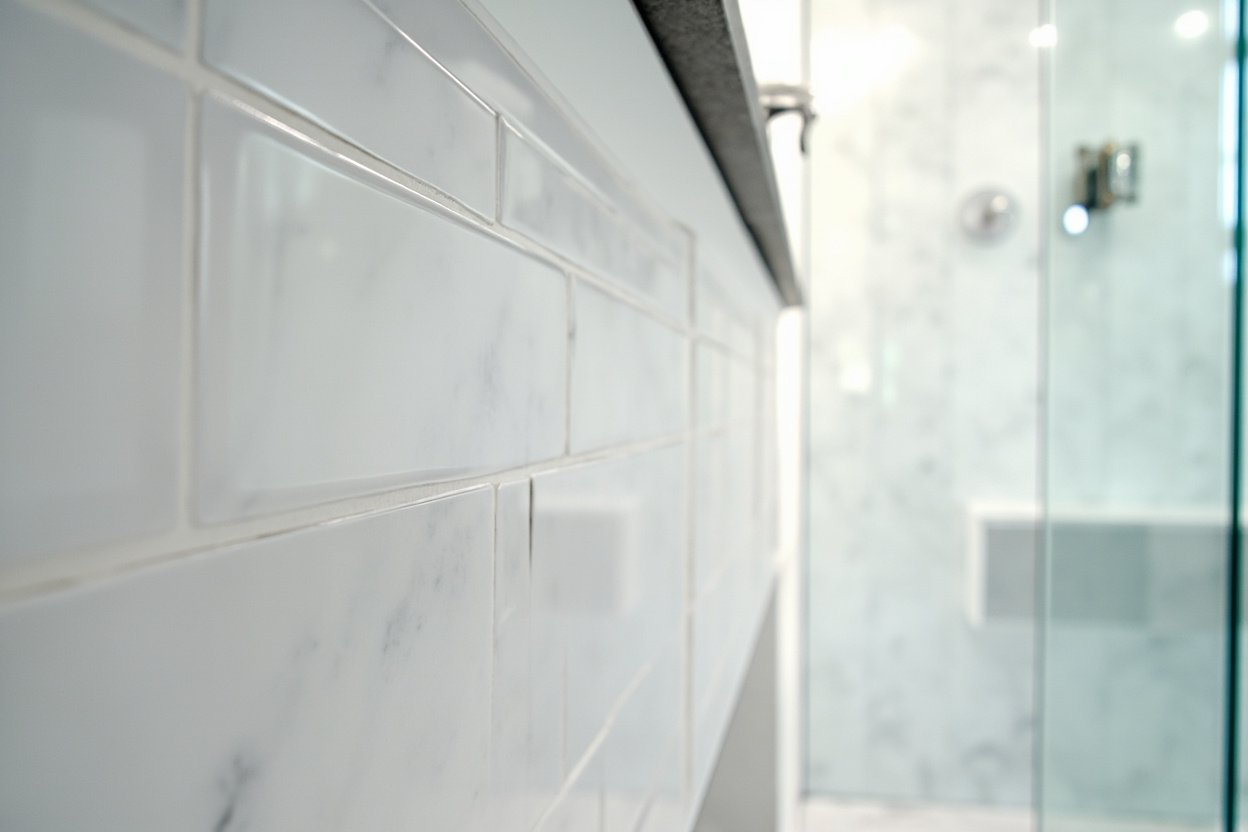
- Custom tile work: From classic subway tile in period-appropriate homes to contemporary large-format porcelain, tile selection significantly impacts both appearance and maintenance requirements. We help homeowners select materials that balance beauty with practical durability.
- Vanity upgrades: New vanities transform bathroom aesthetics while providing essential storage. Custom options accommodate odd-sized spaces common in historic homes where standard dimensions rarely fit.
- Powder room renovations: Small half-baths require thoughtful design to maximize functionality in minimal space. These projects deliver high visual impact and increased home value.
Planning Your Bathroom Renovation Timeline
Every bathroom renovation project involves several phases that affect how long your project takes from concept to completion. Initial design and planning typically spans two to four weeks depending on project complexity. Permitting requirements in various Boston-area municipalities vary, and we handle this process as part of our project management.
Construction generally requires three to six weeks for complete bathroom remodels, with simpler projects on the shorter end. During this phase, we coordinate all trades including plumbing, electrical, and tile work to maintain project momentum. We communicate regularly with homeowners about progress and any adjustments needed along the way.
Working with Local Building Codes
Bathroom renovations in Greater Boston require permits and inspections that ensure work meets Massachusetts building codes. Different municipalities have varying requirements, and homes in historic districts may face additional review. We maintain relationships with local building departments and understand the documentation requirements for each area we serve.
Electrical work must comply with current codes including GFCI protection in wet areas. Plumbing installations require licensed professionals and inspection at multiple stages. We coordinate all required inspections and ensure documentation remains complete throughout your project.
Making the Most of Your Renovation Investment
A well-planned bathroom renovation delivers both daily enjoyment and long-term property value. Focus on quality materials in high-use areas like shower enclosures, flooring, and fixtures that withstand constant use. The bathroom vanity and countertop see daily wear, so investing in durable surfaces pays dividends over time.
Consider how your bathroom needs might change over the coming years. Universal design elements like wider doorways, grab bar reinforcement, and curbless shower entries add value for buyers and increase your home’s accessibility. These features cost relatively little during renovation but become expensive to add later.
Ready to plan? Visit our bathroom remodeling page for Free, no-obligation estimate
When planning your bathroom renovation boston, focus on clear scope, proper waterproofing, and smart layout choices.