
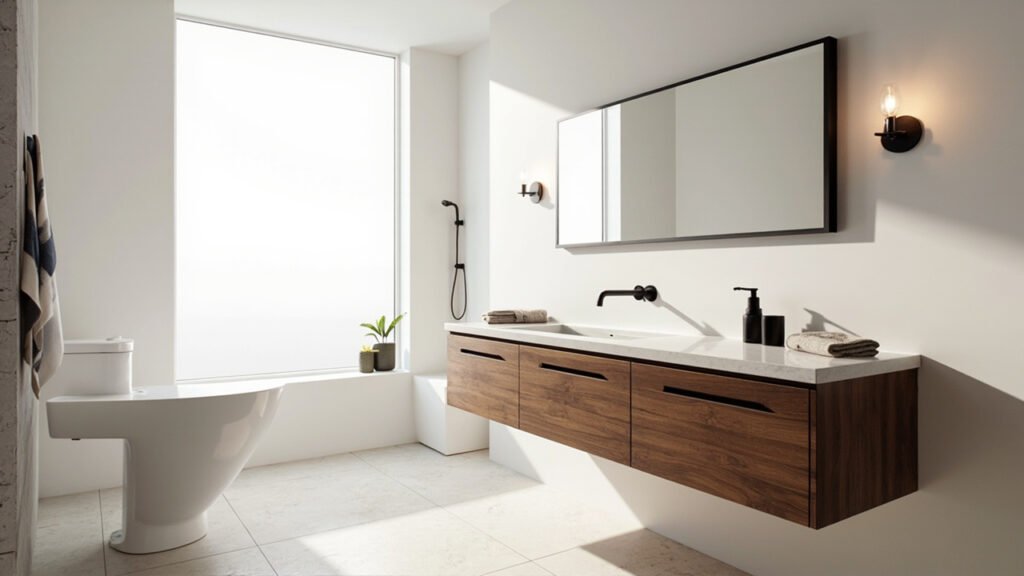
When considering a walk in shower remodel in Boston, homeowners face unique challenges that differ significantly from new construction or suburban projects. Boston’s distinctive housing stock, ranging from historic Beacon Hill brownstones to mid-century apartments in Cambridge, requires specialized knowledge of structural constraints, building codes, and moisture management. Understanding these factors before you begin your bathroom renovation helps set realistic expectations and ensures your new walk-in shower will perform flawlessly for decades.
Why Walk-In Showers Are Growing in Popularity Across Greater Boston
Accessibility ranks among the top reasons Boston-area homeowners choose walk-in showers over traditional tub-shower combinations. Unlike standard shower enclosures, walk-in designs eliminate the threshold barrier, making daily routines easier for homeowners of all ages and mobility levels. Beyond practicality, these installations create a sense of spaciousness that proves particularly valuable in Boston’s typically compact bathroom footprints.
Modern Boston residents increasingly prioritize spa-like aesthetics in their homes. A well-designed walk-in shower serves as a focal point that elevates the entire bathroom’s appearance. Glass enclosures, rainfall showerheads, and custom tile work transform utilitarian spaces into personal retreats. Whether you own a historic Back Bay condominium or a single-family home in Newton, this upgrade delivers both functional and aesthetic returns on your investment.
Navigating Boston’s Older Home Challenges
Greater Boston contains one of the oldest housing stocks in America, with countless homes built before modern plumbing standards existed. When undertaking a walk in shower remodel in Boston, you may encounter subfloor rot, outdated pipes, and structural modifications made by previous owners over the decades. These hidden conditions often surface only once demolition begins, which is why experienced Boston contractors budget for contingencies and conduct thorough pre-renovation assessments.
Floor joist configurations in older Boston homes frequently present layout limitations. Many Victorian-era structures feature diagonal subfloor planks rather than modern plywood sheets, requiring additional structural preparation before installing new shower bases. Additionally, ceiling heights in older buildings vary considerably, sometimes limiting your options for certain showerhead configurations or requiring creative solutions to achieve proper water pressure.
Waterproofing demands particular attention in Boston’s older structures. Historic homes often lack the continuous vapor barriers found in contemporary construction. Without proper moisture management, condensation can infiltrate wall cavities, leading to mold growth and structural deterioration. Professional Boston contractors understand that sealing techniques must account for these unique building characteristics while meeting current building code requirements.
Ventilation Considerations for Boston Bathrooms
Proper ventilation ranks among the most critical yet frequently overlooked aspects of any bathroom renovation in Greater Boston. The region’s humid summers and cold winters create unique challenges for bathroom moisture control. Without adequate exhaust ventilation, steam from walk-in showers accumulates on cold bathroom surfaces, causing condensation, peeling paint, and eventual water damage to surrounding materials.
Building codes in Boston and surrounding communities including Cambridge, Somerville, and Brookline require exhaust fans for bathrooms without operable windows. However, simply installing a fan proves insufficient. Sizing calculations must account for bathroom volume, ceiling height, and whether the space contains a shower enclosure. Many older Boston homes feature undersized or improperly ducted exhaust systems that terminate into attics or between floors rather than venting directly outdoors.
When planning your walk in shower remodel, discuss ventilation improvements with your contractor. Upgrading to high-performance exhaust fans with humidity sensors ensures automatic operation when moisture levels rise. Proper ductwork routing with insulated vents prevents warm, moist air from condensing within the duct itself, a common problem in Boston’s unheated spaces during winter months.
Layout Optimization for Boston’s Compact Bathrooms
Maximizing functionality within limited square footage defines successful bathroom design in Greater Boston. Walk-in showers offer flexibility that traditional tub-shower combos cannot match, allowing creative placement that makes efficient use of awkward corners and alcoves common in older homes. Careful planning ensures your new shower doesn’t compromise traffic flow or limit access to other bathroom fixtures.
Curbless shower entries prove particularly advantageous in tight bathrooms where every inch matters. By eliminating the traditional shower curb, you create a seamless transition between bathroom flooring and shower area. This approach also accommodates future accessibility needs without requiring separate renovation projects. Many Boston homeowners discover that investing in curbless design during their initial remodel prevents costly modifications later in life.
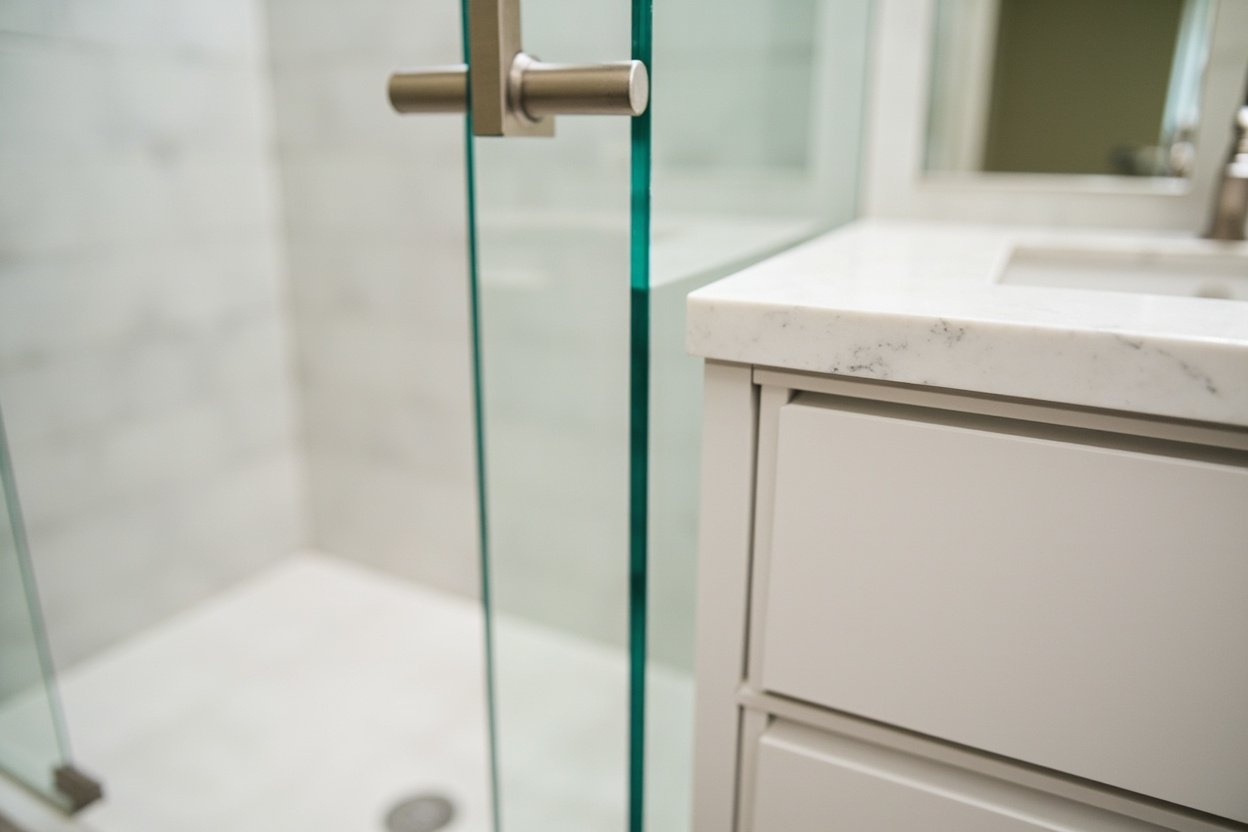
Custom glass enclosures from local fabrication shops allow Boston contractors to accommodate non-standard dimensions common in historic buildings. Rather than forcing your bathroom to fit prefabricated shower components, custom glass and specialty hardware enable solutions tailored precisely to your space. This approach proves especially valuable in Cambridge and Brookline homes where original construction frequently features irregular angles and offset walls.
Material Selections for Boston’s Climate
Material choices for your walk in shower remodel should reflect Boston’s temperature extremes and seasonal humidity fluctuations. Porcelain and ceramic tile offer excellent durability and moisture resistance, making them popular choices among Bath Design Boston clients. These materials withstand temperature changes without cracking and resist the biological growth that sometimes affects natural stone in poorly ventilated bathrooms.
Natural stone surfaces require additional maintenance considerations in Greater Boston’s climate. While granite, marble, and slate deliver stunning visual results, these materials demand regular sealing and careful cleaning product selection. Without consistent maintenance, water minerals and humidity can etch or stain stone surfaces over time. Discuss these requirements with your contractor to determine whether natural stone aligns with your lifestyle and maintenance preferences.
Grout selection significantly impacts long-term performance in Boston walk-in showers. Epoxy grout formulations resist staining and moisture penetration more effectively than traditional cement-based products. Though initially more expensive, epoxy grout reduces future maintenance requirements and protects underlying substrate materials from moisture damage. This investment proves particularly valuable in first-floor bathrooms where漏水 could affect lower-level spaces.
Working With Your Boston Contractor
Successful walk-in shower remodels begin with transparent communication between homeowners and their chosen contractors. Before construction commences, establish clear expectations regarding project scope, material selections, and anticipated challenges specific to your home’s construction. Experienced Boston contractors welcome detailed discussions about existing conditions and potential complications that might affect your renovation timeline or budget.
Permit requirements vary across Greater Boston communities. While cosmetic bathroom updates may not require permits, walk-in shower installations that modify plumbing or structural elements typically require approval from local building departments. Bath Design Boston handles permit acquisition as part of our comprehensive service approach, ensuring all work meets or exceeds applicable codes in Middlesex County, Norfolk County, and surrounding communities.
After installation completes, professional contractors provide maintenance guidance tailored to your specific materials and fixtures. Understanding proper cleaning techniques, ventilation operation, and sealant maintenance schedules protects your investment and ensures your walk-in shower continues performing beautifully for years to come.
Ready to plan? Visit our bathroom remodeling page for Free, no-obligation estimate
When planning your walk in shower remodel boston, focus on clear scope, proper waterproofing, and smart layout choices.