
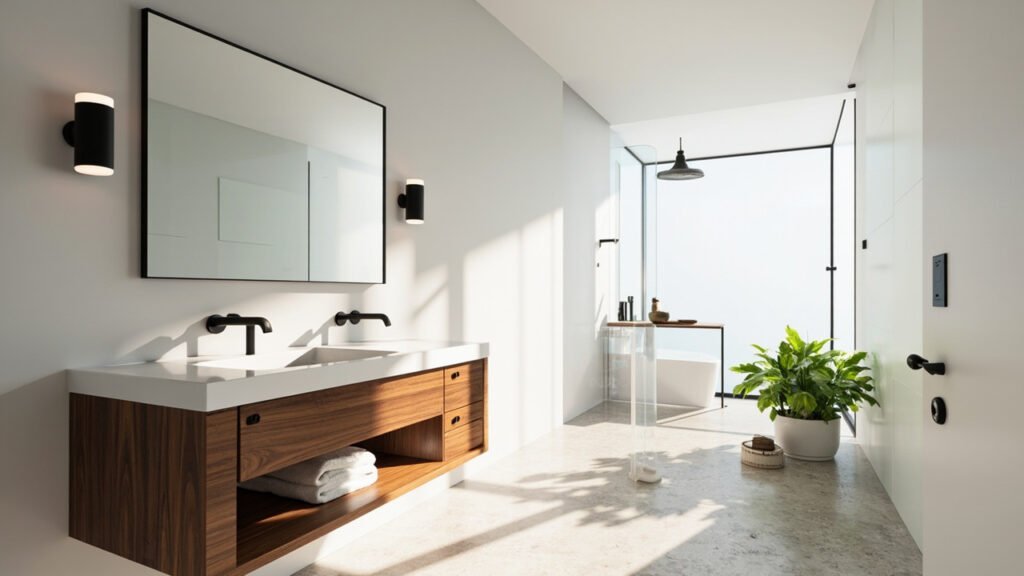
Planning a bathroom renovation in Boston involves more than choosing fixtures and tiles. Whether you’re updating a cramped 1950s ranch in Quincy or renovating a historic Back Bay brownstone, the unique characteristics of Greater Boston’s housing stock present specific challenges that require careful consideration. This guide walks you through the key factors Boston homeowners face when undertaking bathroom remodels in Middlesex County, Norfolk County, and throughout the Greater Boston area.
Understanding Boston’s Older Home Challenges
Much of Greater Boston’s housing inventory dates back 50, 100, or even 150 years. These historic properties often feature unique architectural elements that complicate bathroom renovations. Plaster walls, narrow doorways, and non-standard floor plans require creative solutions. When you work with an experienced Boston bathroom contractor, they understand how to preserve the character of older homes while updating plumbing, electrical, and ventilation systems to modern standards.
Water damage poses another common challenge in older Boston bathrooms. Years of use, inadequate ventilation, and aging building materials can lead to compromised subfloors and damaged walls. A thorough inspection before demolition helps identify hidden issues that might affect your renovation timeline and budget.
Ventilation Requirements for Boston’s Climate
Boston’s humid summers and cold winters create unique moisture challenges for bathrooms. Proper ventilation is essential to prevent mold growth, protect your renovation investment, and maintain indoor air quality. Building codes in Massachusetts require exhaust fans sized appropriately for bathroom square footage, typically at least 50 CFM for bathrooms without windows.
Modern energy-efficient ventilation systems help manage humidity without dramatically increasing your utility bills. Your bathroom renovation should include careful assessment of existing ventilation and upgrades where necessary. Strategic placement of windows and doors can also improve natural airflow, reducing reliance on mechanical ventilation.
Layout Constraints in Boston Homes
Space comes at a premium throughout Greater Boston. Bathroom layouts in older homes often feature awkward configurations, low ceilings, and limited square footage. Plumbing stacks that cannot be moved easily restrict where fixtures can be placed, requiring creative design solutions.
Walk-in showers have become increasingly popular among Boston homeowners looking to maximize space while achieving a modern aesthetic. Custom tile installations can address challenging angles and non-standard dimensions common in historic properties. A powder room renovation offers an excellent opportunity to add valuable function to small spaces that might otherwise go underutilized.
Waterproofing: Protecting Your Investment
Waterproofing is perhaps the most critical technical aspect of any bathroom renovation. In older Boston homes, water damage from leaks can affect structural elements that are expensive to repair. A comprehensive waterproofing strategy protects your investment for years to come.
Modern bathroom waterproofing systems include liquid waterproof membranes, pre-formed shower pans, and cement board underlayment. Professional installation ensures proper sealing around fixtures, corners, and edges. Your contractor should address all potential water intrusion points during the renovation process.
Choosing the Right Features for Your Boston Bathroom
Walk-in showers appeal to many Boston homeowners for their accessibility and contemporary appearance. Custom tile work allows you to create a unique look that complements your home’s architectural style. Popular options include classic subway tile, geometric patterns, and natural stone mosaics.
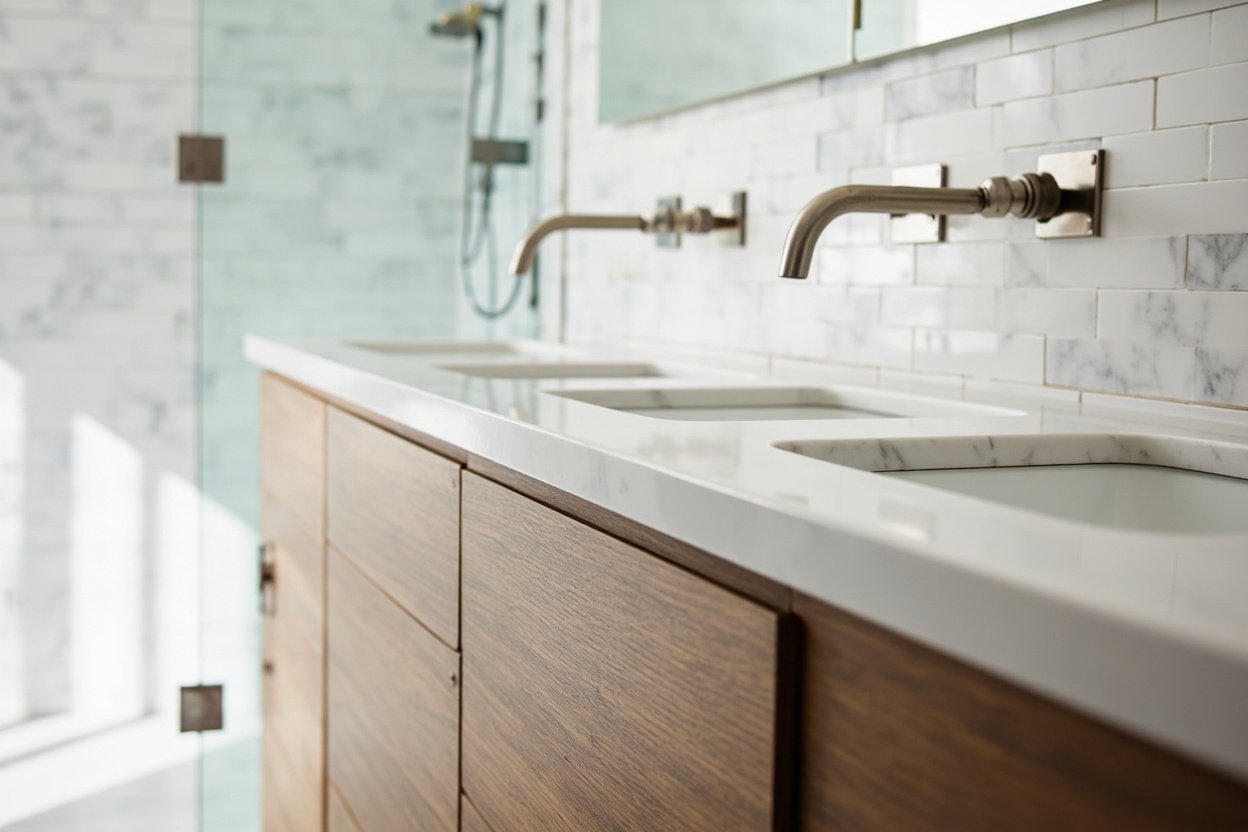
Custom vanities provide storage solutions tailored to your specific needs and available space. For bathrooms with limited square footage, maximizing storage while maintaining visual openness requires thoughtful planning. Professional installation ensures that all fixtures perform properly and look their best.
Working with a Local Boston Bathroom Remodeling Contractor
Successful bathroom renovations in Boston require a contractor who understands local building codes, neighborhood associations, and the specific challenges of older construction. Look for a company with established relationships in Middlesex County and Norfolk County communities.
A qualified bathroom remodeling contractor handles all aspects of your project, from initial design through final inspection. They coordinate permits, manage subcontractors, and ensure code compliance throughout the construction process. Communication and transparency about costs, timelines, and potential complications distinguish professional contractors from less experienced operators.
Getting Started with Your Boston Bathroom Renovation
Every successful bathroom remodel begins with a clear understanding of your goals, budget, and constraints. Start by evaluating your current bathroom’s shortcomings and prioritizing the improvements that matter most to your household. Consider how your needs might change over the coming years, particularly if aging in place is a concern.
Schedule consultations with qualified bathroom renovation professionals in the Greater Boston area. Ask about their experience with older homes, their approach to waterproofing, and their process for handling unexpected issues during construction. Review portfolios of completed projects to assess the quality of their craftsmanship.
Ready to plan? Visit our bathroom remodeling page for Free, no-obligation estimate
When planning your bathroom renovation boston, focus on clear scope, proper waterproofing, and smart layout choices.