
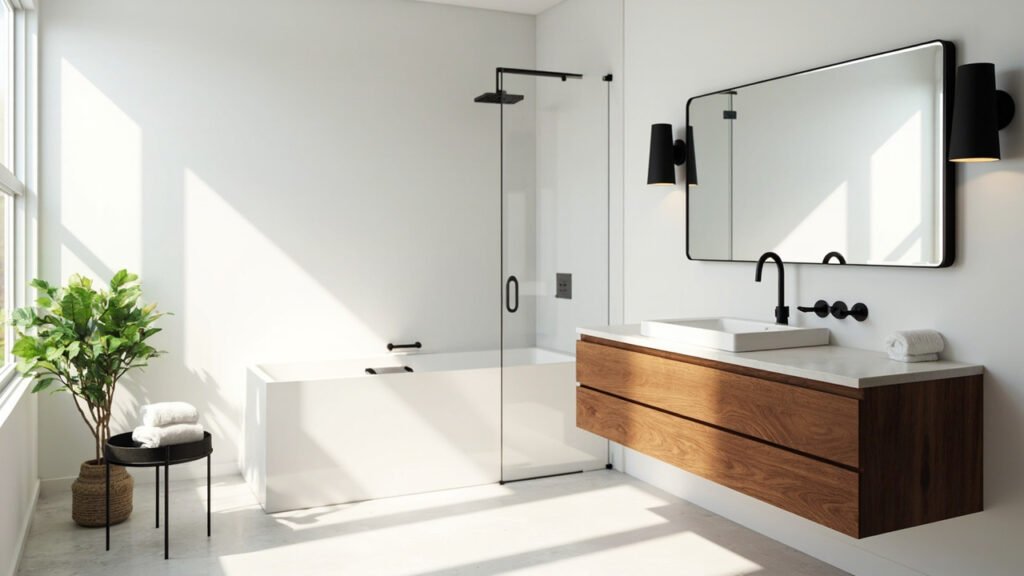
Making the switch from a traditional bathtub to a walk-in shower is one of the most popular bathroom upgrades among Boston homeowners. Whether you are looking to improve accessibility, modernize an aging bathroom, or simply create more space in a compact New England home, a tub-to-shower conversion offers practical benefits that go beyond aesthetics. If you are considering this upgrade in the Greater Boston, Middlesex County, or Norfolk County area, understanding the key factors involved can help you make an informed decision.
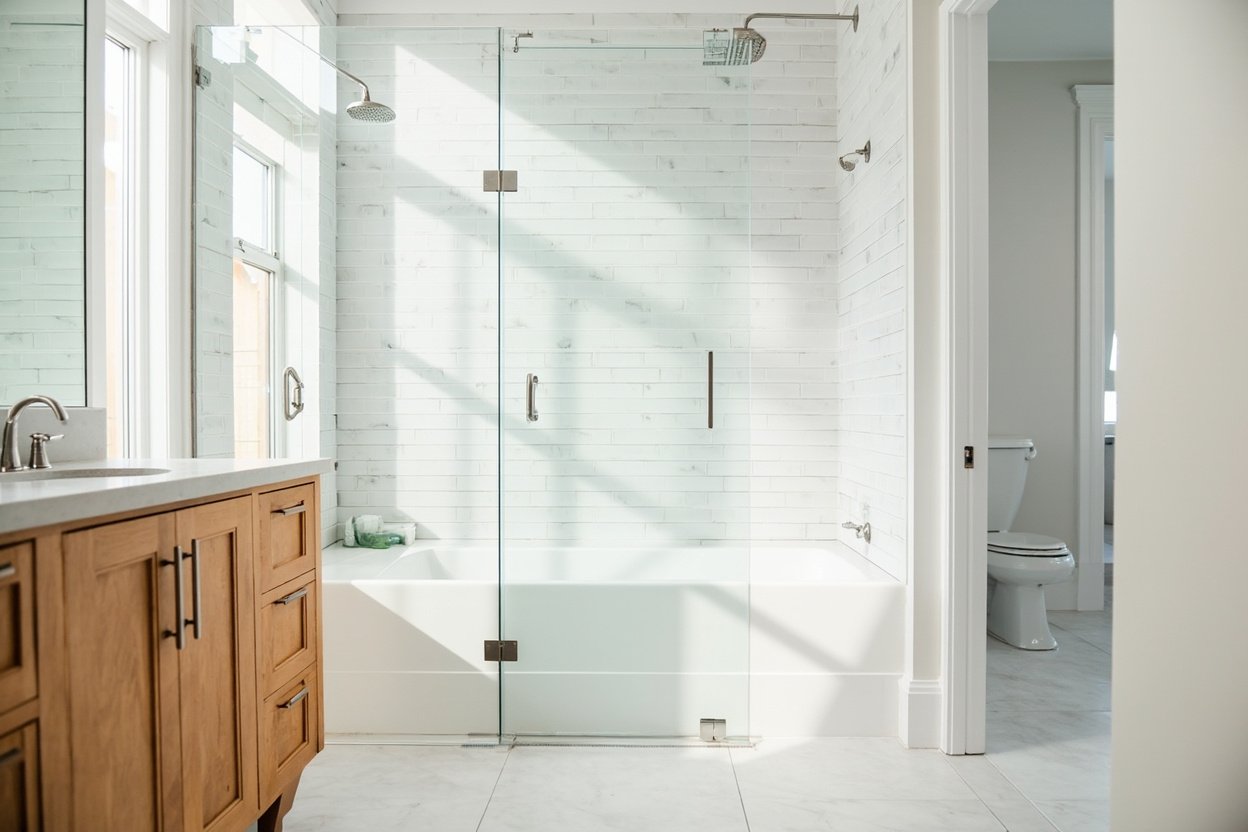
Why Boston Homeowners Are Choosing Shower Conversions
The appeal of replacing a tub with a shower is multifaceted. Many Boston-area homes were built in the early-to-mid 20th century, meaning bathrooms are often smaller than modern standards dictate. A walk-in shower can make a modest bathroom feel significantly more spacious. Additionally, an increasing number of homeowners are prioritizing single-level living as they age in place, making step-free shower access a valuable long-term investment.
Beyond space considerations, walk-in showers are easier to clean and maintain, which appeals to busy households throughout the Boston metropolitan area. The modern look of a tiled or glass-enclosed shower also adds a contemporary touch that many buyers appreciate should you decide to sell your home in the future.
Important Considerations Before Starting Your Conversion
Before moving forward with a tub-to-shower conversion, there are several factors to evaluate. First, consider the daily habits of your household. If you have young children who rely on a bathtub for bathing, removing it entirely may not be practical. In such cases, some homeowners opt for a combination unit or keep at least one tub in the home.
Next, think about your bathroom layout and plumbing. Most bathtubs drain through a 1.5-inch pipe, while showers typically use a 2-inch drain. This difference may require adjustments to your existing plumbing, which can add complexity and cost to the project. A professional assessment of your current setup is essential before committing to the conversion.
Boston-Specific Challenges You May Encounter
Homes throughout Greater Boston present unique challenges that require careful planning. Older homes in neighborhoods like Back Bay, Cambridge, and Brookline often feature outdated plumbing systems that may need updating to support modern shower fixtures. Additionally, many historic properties have irregular floor plans and non-standard wall dimensions that can complicate installation.
Proper waterproofing is critical in any bathroom renovation, but it is especially important in Boston-area homes where humidity levels can fluctuate significantly throughout the year. A poorly sealed shower can lead to water damage, mold growth, and structural issues that are costly to repair. Working with experienced contractors who understand New England building codes and climate considerations is essential.
The Conversion Process: What to Expect
A typical tub-to-shower conversion involves several stages. The old bathtub is removed, which may involve disconnecting plumbing and potentially addressing any damage behind the existing walls. Next, the subfloor is inspected and repaired if necessary. The new shower pan or base is installed, followed by wall surround or tile installation. Finally, new fixtures, glass enclosures, and finishing touches are added.
The duration of the project depends on the complexity of the work involved. Your contractor should provide a clear outline of the timeline based on your specific circumstances and the scope of the renovation.
Material Options for Your New Shower
When planning your conversion, you will need to choose materials that balance durability, aesthetics, and budget. Common options include:
- Ceramic or porcelain tile: Classic choice that works well with Boston’s traditional home styles
- Natural stone: Premium option offering unique patterns and textures
- Acrylic or fiberglass surrounds: Budget-friendly and relatively quick to install
- Glass block: Popular for adding light while maintaining privacy
Each material has its own maintenance requirements and price point. Discussing your priorities with your contractor can help you select the best option for your home and lifestyle.
Ventilation and Moisture Control
Boston’s climate means that bathrooms experience varying humidity levels throughout the seasons. Proper ventilation is vital to prevent moisture buildup that can lead to mold and deterioration of building materials. During your conversion, consider upgrading your bathroom exhaust fan to a higher-capacity model if your current one is inadequate. This is especially important for interior bathrooms without windows.
Additionally, installing water-resistant backing behind tile and ensuring all seams are properly sealed will help protect your investment for years to come.
Working with a Local Bathroom Remodeling Professional
Choosing a contractor who understands the specific needs of Boston-area homes is crucial. Local professionals are familiar with the permits required in Middlesex County, Norfolk County, and the surrounding communities. They also have relationships with local suppliers and understand which products perform best in New England conditions.
When selecting a contractor for your tub-to-shower conversion, look for someone who offers comprehensive services including design assistance, plumbing expertise, and quality craftsmanship. Reading reviews from homeowners in your area and viewing portfolios of completed projects can help you find the right fit.
Ready to plan? Visit our bathroom remodeling page for Free, no-obligation estimate
Final Thoughts
A tub-to-shower conversion can be a transformative upgrade for your Boston-area home. By carefully considering your needs, understanding the challenges specific to older New England properties, and working with experienced professionals, you can create a bathroom space that is both functional and beautiful. Whether you are updating a vintage colonial in Newton, a triple-decker in Somerville, or a modern condo downtown, the right conversion can enhance your daily routine and add lasting value to your property.
When planning your tub to shower conversion boston, focus on clear scope, proper waterproofing, and smart layout choices.