
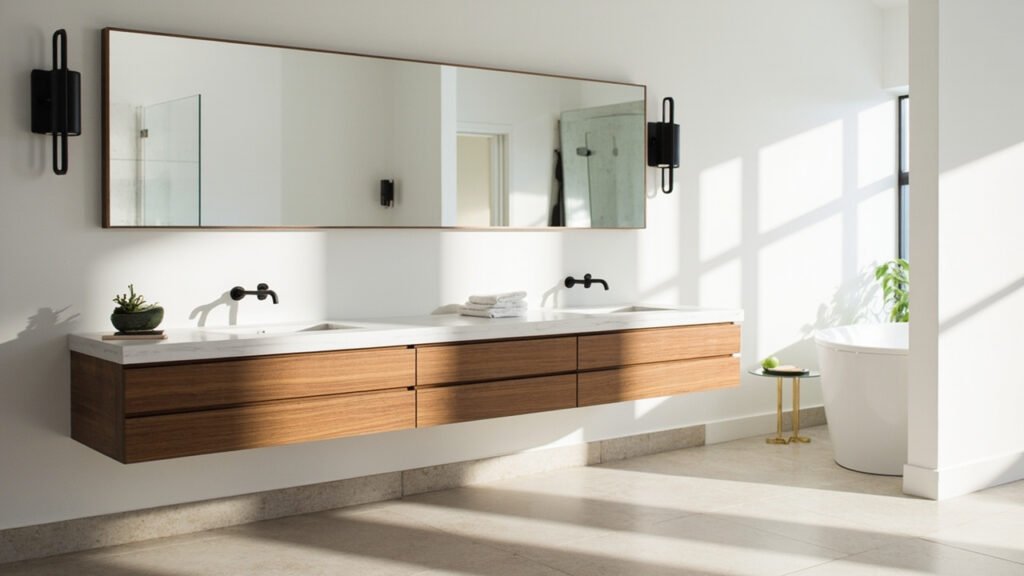
Boston’s historic neighborhoods are filled with beautiful older homes featuring bathrooms that were built decades ago. Many of these vintage bathrooms still have the original tubs—claw-foot models or built-in alcove units that, while charming, may no longer suit your lifestyle. If you have been considering a tub to shower conversion Boston homeowners trust for their bathroom upgrades, this guide will walk you through everything you need to know before making the switch.
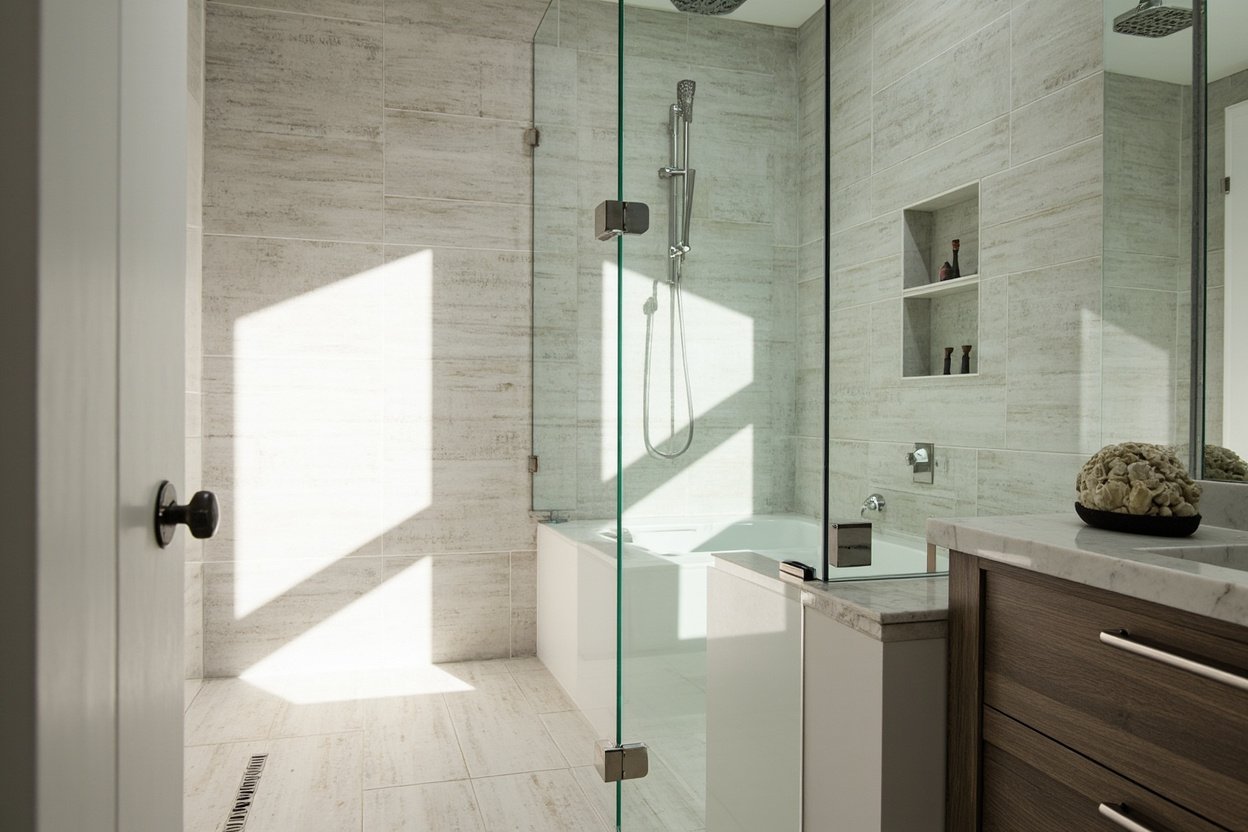
Why Boston Homeowners Are Choosing Tub to Shower Conversions
Across Greater Boston, Middlesex County, Norfolk County, and surrounding communities, homeowners are increasingly opting to replace their tubs with walk-in showers. There are several practical reasons for this trend. Accessibility becomes a growing concern as families age in place. Stepping over a high tub wall can become difficult or unsafe, while a curbless shower entry offers much easier access. Additionally, many Boston residents find that they use the shower far more frequently than the bathtub, making the tub an underutilized feature taking up valuable bathroom space.
For those with active lifestyles, a spacious walk-in shower simply works better for daily routines. Others are preparing their homes for resale and recognize that modern, walk-in showers appeal to a broad range of buyers in the competitive Boston real estate market.
Key Considerations for Your Boston Tub to Shower Conversion
Before moving forward with a tub to shower conversion, there are several important factors specific to Boston-area homes that you should consider.
Age and Structure of Your Home
Boston and its surrounding communities feature a diverse mix of housing stock, from Federal-era row houses in Beacon Hill to mid-century ranch homes in the suburbs. Older homes often have plumbing systems, subfloors, and wall structures that require careful evaluation. A professional contractor will assess whether the existing plumbing can be adapted for a shower configuration or if modifications are needed.
Ventilation Requirements
Proper ventilation is critical in any bathroom, but it is especially important when converting a tub to a shower. Tubs contain water within their basin during use, but showers expose significantly more wall and floor area to water over extended periods. Your contractor should evaluate your current exhaust ventilation and may recommend upgrading to a more powerful fan to prevent moisture buildup, mold growth, and damage to surrounding structures.
Waterproofing and Drainage
Given Boston’s humidity levels and the age of many local homes, thorough waterproofing is non-negotiable. A quality tub to shower conversion involves installing proper moisture barriers, waterproofing membranes, and ensuring the drainage system is correctly pitched to move water efficiently. Inadequate waterproofing can lead to leaks that damage floors, walls, and potentially the structure of your home.
Layout Constraints
Boston-area bathrooms, particularly in older homes, often feature compact layouts with limited square footage. Your contractor will work within your existing footprint to maximize the shower space while maintaining functionality for other bathroom elements. Custom tile work and thoughtful design can help make the most of tight spaces.
The Tub to Shower Conversion Process: What to Expect
Understanding the steps involved can help you prepare for your project and set realistic expectations.
- Initial consultation: A contractor will visit your home to assess the existing bathroom, discuss your goals, and take measurements.
- Design and material selection: You will work with the design team to choose shower bases, custom tile, glass enclosures, fixtures, and finishes that complement your home’s style.
- Demolition and preparation: The old tub is removed, and any necessary plumbing adjustments are made. Subfloor repairs or modifications are completed as needed.
- Waterproofing installation: Critical moisture barriers and waterproofing systems are installed according to building codes.
- Tile and finish work: Custom tile is installed, and the shower enclosure is completed with chosen fixtures and glass.
- Final inspection and cleanup: The project is inspected for quality, and your new shower is ready for use.
The timeline for each project varies based on scope and complexity, but your contractor will provide a detailed schedule during the planning phase.
Why Choose a Local Boston Contractor
Working with a contractor based in Greater Boston means choosing a team familiar with the unique challenges of local homes. They understand the permit requirements in different municipalities, know how to work around the construction quirks of vintage properties, and have established relationships with local suppliers. Bath Design Boston serves homeowners throughout Greater Boston, Middlesex County, and Norfolk County, bringing this local expertise to every project.
A local contractor can also respond quickly if any issues arise during or after installation, providing peace of mind that you will not be waiting weeks for a contractor from outside the area to address your concerns.
Is a Tub to Shower Conversion Right for Your Boston Home
If you are looking to improve accessibility, create a more modern bathroom, or better utilize your available space, a tub to shower conversion may be an excellent choice. The upgrade can transform your daily routine while adding value to your home. Whether you own a historic Back Bay brownstone, a suburban home in Norfolk County, or anything in between, this type of bathroom remodeling project can be tailored to fit your specific needs and the character of your property.
From custom tile installations to premium fixtures and everything in between, Bath Design Boston offers comprehensive bathroom remodeling services including walk-in showers, powder rooms, custom vanities, and full bathroom renovations alongside tub to shower conversions.
Ready to plan? Visit our bathroom remodeling page for Free, no-obligation estimate
When planning your tub to shower conversion boston, focus on clear scope, proper waterproofing, and smart layout choices.