
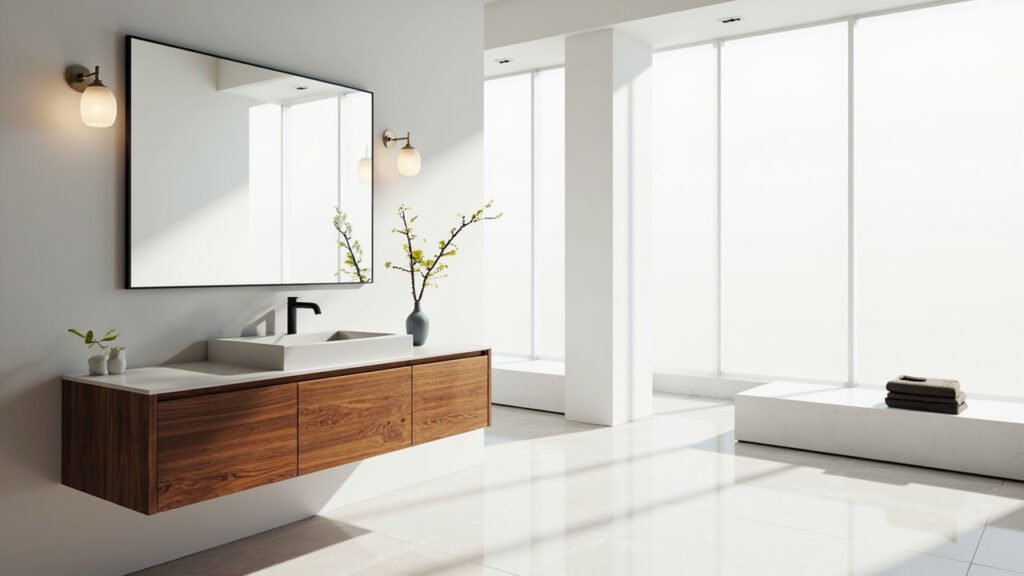
When it comes to bathroom remodeling in Boston, proper tile installation is one of the most important investments you can make for your home. Whether you are updating a historic Back Bay brownstone or renovating a modern condo in Cambridge, quality tile work adds value, durability, and visual appeal to your bathroom. At Bath Design Boston, we specialize in custom tile installation across Greater Boston, Middlesex County, Norfolk County, and surrounding communities. This guide walks you through everything you need to know about bathroom tile installation in Boston.
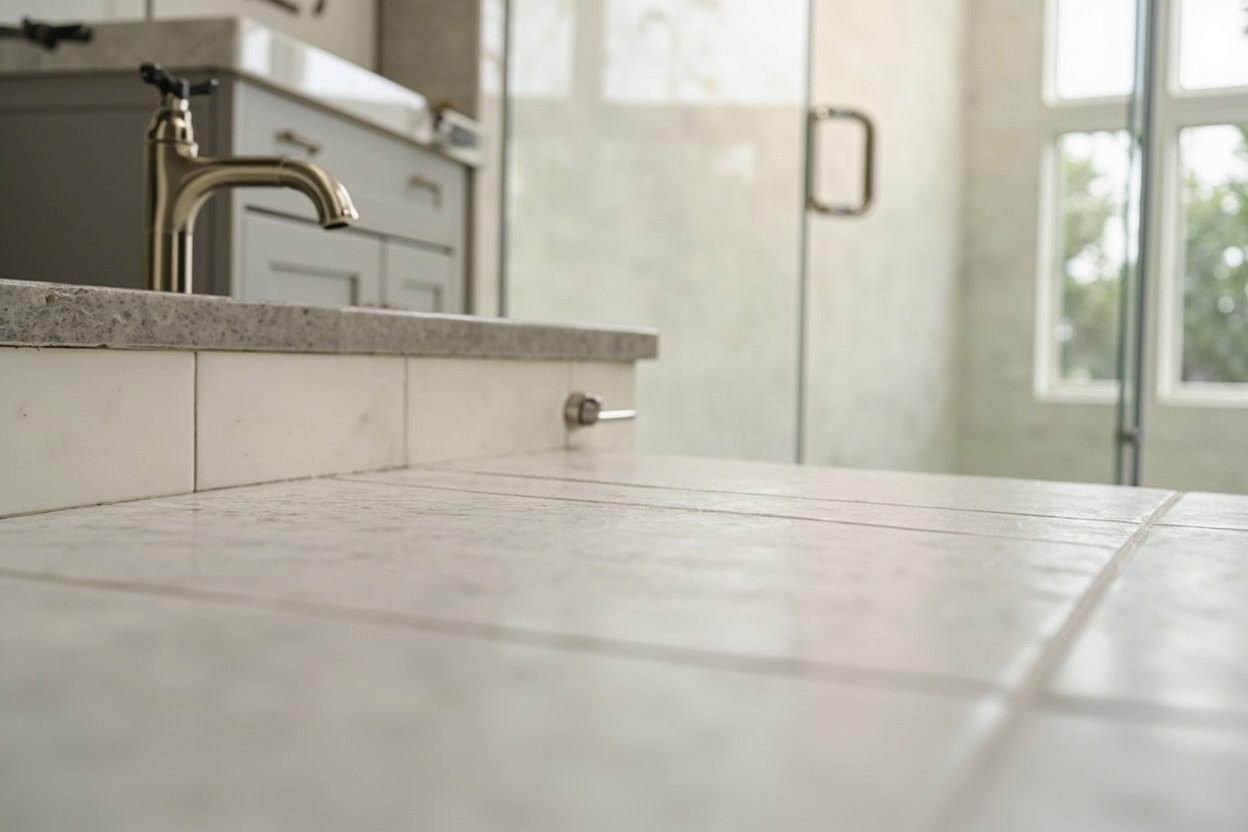
Why Tile Installation Matters in Boston Bathrooms
Boston’s older housing stock presents unique challenges for bathroom renovations. Many homes built in the early 1900s feature original plaster walls, uneven subfloors, and layouts that were designed for different plumbing systems. Proper tile installation requires addressing these underlying issues to ensure a long-lasting result. Poorly installed tile can lead to water damage, mold growth, and costly repairs down the road. Investing in professional tile work protects your home and gives you peace of mind.
Choosing the Right Tile for Your Boston Bathroom
Not all tiles are created equal, and selecting the right material depends on your bathroom’s specific conditions. Porcelain and ceramic tiles are popular choices because they resist moisture and are easy to maintain. Natural stone tiles such as marble, granite, or slate add elegance but require more upkeep and sealing. For walk-in showers and wet zones,mosaic tiles and large-format tiles can create a sleek, modern look while minimizing grout lines.
Consider these factors when choosing your tile:
- Moisture resistance and slip resistance ratings
- Compatibility with radiant floor heating systems
- Historical neighborhood guidelines for exterior-visible renovations
- Your personal style and long-term maintenance preferences
Addressing Boston-Specific Challenges
Boston’s climate means bathrooms experience humidity fluctuations throughout the year. Proper ventilation is critical to preventing mold and mildew behind your tiles. We recommend installing or upgrading exhaust fans during any bathroom remodel. Additionally, many Boston homes have basement-level bathrooms that require extra attention to waterproofing and moisture barriers.
Layout constraints are common in older homes where bathroom footprints were smaller. Creative tile patterns and layouts can visually expand a tight space. Diagonal layouts, glass inserts, and accent borders are effective techniques our team uses to maximize the appearance of smaller bathrooms.
Waterproofing: The Foundation of Quality Tile Work
Waterproofing is the most critical step in any bathroom tile installation. Without proper membrane systems and moisture barriers, water can seep behind tiles and damage your subfloor and wall structure. This is especially concerning in Boston’s older homes where existing moisture issues may already be present.
Our installation process includes thorough substrate preparation, application of waterproof membranes, and careful attention to seams and corners where water is most likely to penetrate. We use industry-approved products and methods to ensure your tile investment stands the test of time.
The Tile Installation Process
Understanding what to expect during your bathroom remodel helps you plan effectively. Here is an overview of our typical tile installation workflow:
- Initial consultation and design planning
- Removal of existing fixtures and demolition
- Subfloor and wall preparation
- Waterproofing membrane installation
- Tile layout and marking
- Setting tiles with proper adhesive
- Grouting and sealing
- Final inspection and cleanup
Each step is completed with precision to deliver a finished product that looks great and performs reliably.
Popular Tile Applications for Boston Homes
From full bathroom remodels to powder room updates, tile serves both functional and aesthetic purposes. Walk-in showers benefit from waterproof wall tile and non-slip flooring. Tub-to-shower conversions often feature decorative niches and bench seating tiled in complementary materials. Vanity backsplashes protect walls from moisture while adding a design focal point. Custom tile work allows you to personalize every detail of your bathroom.
Many Boston homeowners choose subway tile for a classic look that complements both traditional and contemporary interiors. Hexagon and penny tile add vintage charm popular in historic renovations. Large-format tiles create minimalist surfaces that make small bathrooms feel more spacious.
Maintaining Your Bathroom Tile in Boston’s Climate
Once your tile is installed, regular maintenance keeps it looking beautiful for years. Clean grout lines periodically with appropriate cleaners to prevent discoloration. Reapply sealer to natural stone tiles annually. Monitor caulking around showers and tubs and replace it when you notice cracking or peeling. Running your exhaust fan during and after showers reduces humidity levels and protects your investment.
Ready to plan? Visit our bathroom remodeling page for Free, no-obligation estimate
When planning your bathroom tile installation boston, focus on clear scope, proper waterproofing, and smart layout choices.