
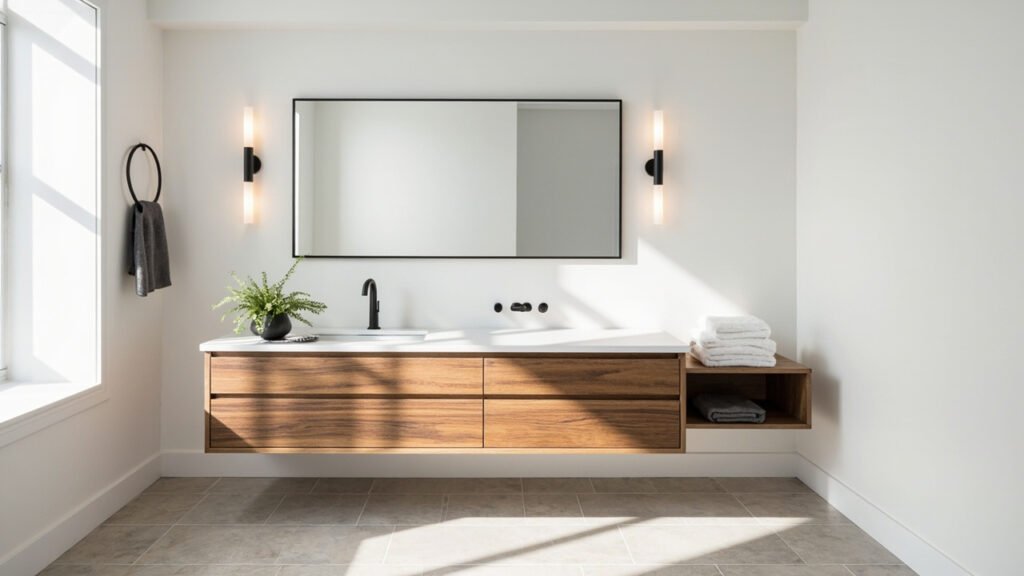
Boston’s historic housing stock presents unique challenges and opportunities for homeowners considering a tub to shower conversion. Whether you’re dealing with a cramped 1940s walkup in Somerville or a classic triple-decker in Dorchester, replacing an outdated bathtub with a modern walk-in shower can dramatically improve both the functionality and value of your bathroom. This guide walks you through everything you need to know about this popular bathroom upgrade in the Greater Boston area.
Why Boston Homeowners Are Making the Switch
The demand for tub to shower conversions in Boston has grown significantly over the past decade. Several factors drive this trend among homeowners in Middlesex County, Norfolk County, and throughout Greater Boston. First, aging residents increasingly prefer the accessibility of a walk-in shower over stepping over a high bathtub wall. Second, younger buyers often prioritize shower-only bathrooms, especially in urban apartments where space comes at a premium. Third, many Boston bathrooms simply lack the square footage to accommodate both a full tub and a separate shower, making a conversion the most practical solution.
Beyond lifestyle preferences, practical considerations play a major role. Boston’s older homes frequently feature cast-iron tubs that have seen better days, with worn finishes, stubborn stains, or even rust that no cleaning can fix. A complete tub-to-shower conversion eliminates these eyesores and creates a fresh, modern look that appeals to today’s buyers.
Key Considerations for Boston Bathrooms
Every Boston bathroom presents its own set of circumstances that your contractor must address. Older homes in neighborhoods like Newton, Brookline, and Cambridge often have plumbing systems that require careful evaluation. Original galvanized pipes may need updating to modern PEX or copper before a conversion can proceed safely. Your contractor should assess the existing plumbing layout and recommend necessary modifications to ensure proper water pressure and drainage.
Ventilation represents another critical factor in Boston bathroom renovations. The New England climate means bathrooms experience significant humidity fluctuations throughout the year. Proper exhaust fan installation is essential to prevent moisture buildup that can lead to mold, mildew, and structural damage over time. Many older Boston homes lack adequate ventilation systems, making this a priority during any shower conversion project.
- Plumbing assessment and potential updates
- Ventilation system installation or upgrade
- Waterproofing membrane application
- Subfloor repair or reinforcement
- Tile and grout selection for durability
The Conversion Process: What to Expect
A professional tub to shower conversion involves several stages that experienced Boston contractors handle regularly. The process typically begins with demolition of the existing tub and surrounding tile. In Boston’s older homes, this phase often reveals hidden issues like water damage, rotted subflooring, or outdated wiring that must be addressed before proceeding.
Once the space is prepped, your contractor installs a proper waterproofing system. This step proves especially important in Boston’s climate, where temperature swings between seasons can stress building materials. A quality waterproof membrane prevents leaks that could damage your home’s structure or create mold problems in the walls and floors below.
The shower pan installation follows, along with any necessary plumbing adjustments. Your contractor will ensure proper slope toward the drain and secure connections to existing drain lines. Custom tile work or prefab shower walls come next, depending on your design preferences and budget. Finally, fixtures, glass enclosures, and finishing touches complete the transformation.
Design Options for Your Boston Shower
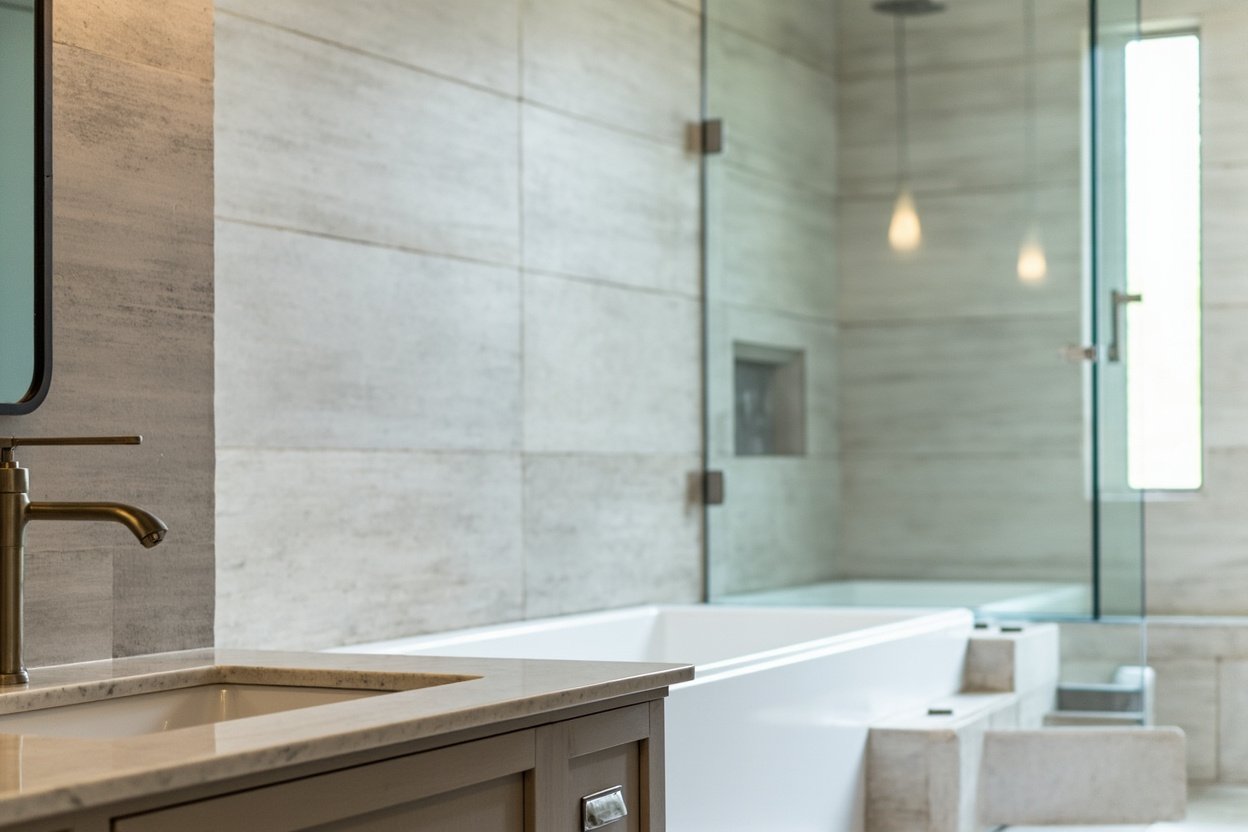
Modern tub to shower conversions offer remarkable design flexibility. Boston homeowners can choose from various configurations to match their space constraints and aesthetic preferences. A corner shower works well in compact bathrooms common in urban apartments and older triple-deckers. A walk-in shower with a frameless glass enclosure creates a spa-like atmosphere that appeals to many buyers and can make smaller bathrooms feel more spacious.
Tile selection deserves careful consideration in Boston homes. Porcelain and ceramic tiles handle Boston’s humidity fluctuations well and come in styles ranging from classic subway patterns to contemporary large-format slabs. Natural stone adds luxury appeal but requires more maintenance in our climate. Your contractor can recommend materials that balance beauty, durability, and ease of care for your specific situation.
Working with Local Contractors
Choosing a contractor familiar with Greater Boston’s housing stock makes a significant difference in your conversion experience. Local professionals understand the permit requirements for different municipalities, from Boston’s city regulations to requirements in Framingham, Quincy, and surrounding communities. They also know how to work within the constraints of older floor plans that often feature non-standard dimensions, offset drain placements, and limited access for materials delivery.
A skilled Boston bathroom remodeler will evaluate your specific situation, discuss your goals, and propose solutions that work with your home’s unique characteristics. They’ll explain material options, discuss timeline expectations, and provide clear pricing for your project scope. Communication throughout the process ensures you understand each step and can make informed decisions along the way.
Maximizing Your Investment
A well-executed tub to shower conversion offers excellent return on investment for Boston homeowners. Not only does it improve daily functionality, but it also appeals to a broad range of potential buyers when you decide to sell. Focus on quality materials that will withstand New England weather patterns and regular use. Adequate waterproofing protects your investment for years to come, preventing costly repairs that can arise from shortcuts during installation.
Consider adding features that enhance accessibility without compromising aesthetics. Low-threshold entries, built-in seating, and grab bar reinforcement add value and appeal to buyers across age groups. These thoughtful touches demonstrate quality craftsmanship and attention to practical living needs.
Ready to plan? Visit our bathroom remodeling page for Free, no-obligation estimate
When planning your tub to shower conversion boston, focus on clear scope, proper waterproofing, and smart layout choices.