

When it comes to bathroom remodeling in Greater Boston, tile installation is one of the most important decisions you’ll make. Tile sets the tone for your entire bathroom aesthetic while also serving critical functional purposes. At Bath Design Boston, we help homeowners throughout Middlesex County, Norfolk County, and the Greater Boston area navigate every aspect of their bathroom tile projects.
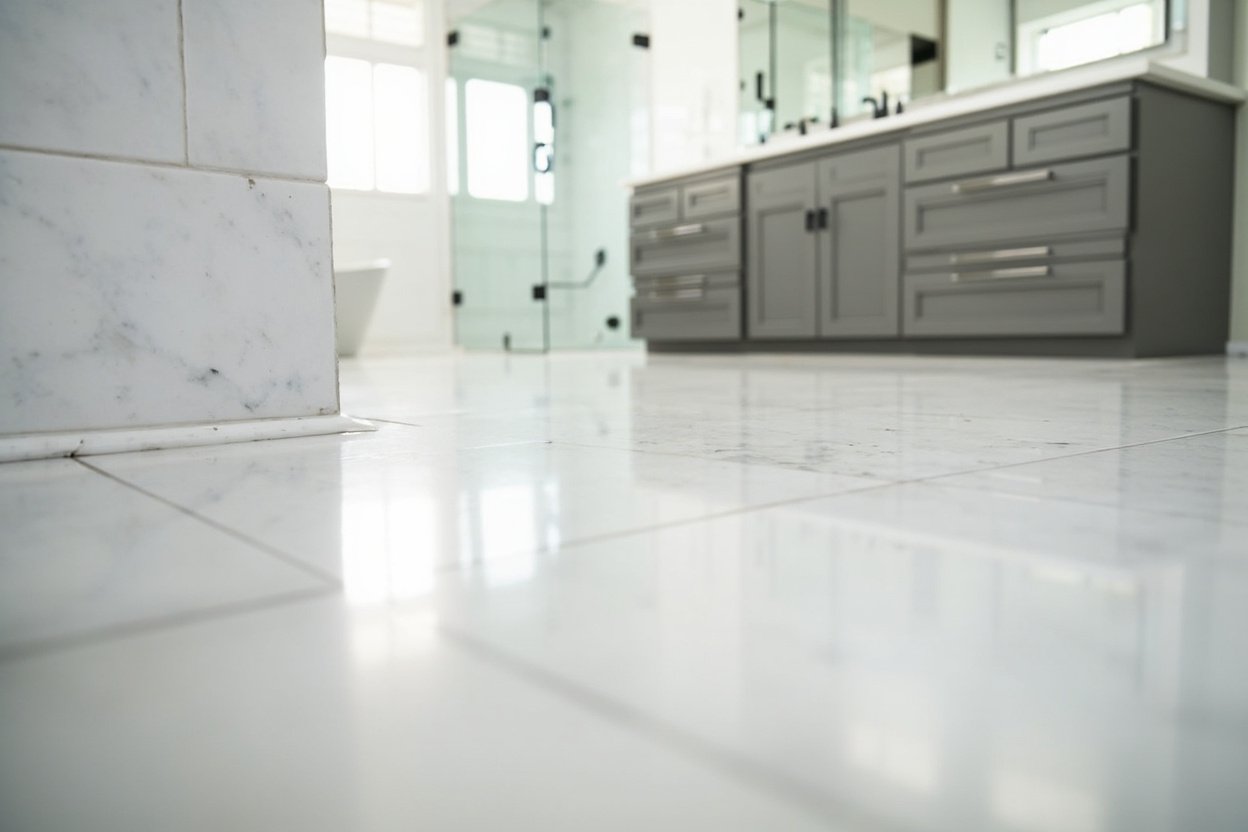
Why Tile Choice Matters in Boston Bathrooms
Boston’s housing stock presents unique challenges that directly impact your tile selection and installation. Many homes in the area were built in the early-to-mid 20th century, meaning bathroom layouts often feature unconventional dimensions, limited space, and plumbing that may not align with modern standards. Understanding these characteristics helps ensure your tile project succeeds long-term.
The climate in Massachusetts also plays a role. While bathrooms are climate-controlled spaces, the humidity and moisture that naturally occurs from shower use demands proper waterproofing and ventilation planning. Quality tile installation addresses these concerns from the foundation up.
Types of Tile for Your Boston Bathroom
Choosing the right tile material depends on your budget, aesthetic preferences, and how the space will be used. Ceramic and porcelain tiles remain the most popular choices for bathroom floors and walls due to their durability, water resistance, and variety of styles. Porcelain tiles are particularly well-suited for shower installations because they absorb less moisture.
Natural stone tiles like marble, granite, and slate offer distinctive aesthetics that many Boston homeowners prefer for primary bathrooms and powder rooms. However, natural stone requires additional maintenance and sealing to prevent water damage and staining over time.
For backsplashes and accent walls, mosaic tiles and subway tiles continue to be trend-forward choices that complement both traditional and contemporary bathroom designs. The team at Bath Design Boston can help you explore the full range of options available for your specific project scope.
Addressing Boston-Specific Installation Challenges
Older homes throughout Greater Boston often have subfloors and wall structures that require special attention before tile installation can begin. In neighborhoods like Back Bay, Cambridge, and Jamaica Plain, contractors frequently encounter uneven surfaces, settling foundations, and outdated plumbing that must be addressed as part of the remodel.
Waterproofing is non-negotiable in any bathroom tile project. In Boston’s older housing stock, previous water damage may have compromised the underlying structure. Professional tile contractors assess these conditions carefully and implement proper waterproofing membranes and techniques to protect your investment.
- Subfloor inspection and repair before tile placement
- Waterproofing membrane installation in wet areas
- Proper ventilation system upgrades for Massachusetts climate
- Layout adjustments for non-standard bathroom dimensions
Planning Your Layout in Historic Neighborhoods
Every Boston neighborhood has its own character, and bathroom layouts reflect the era in which homes were built. A compact bathroom in a North End brownstone presents different challenges than a larger bathroom in a mid-century home in Wellesley. Custom tile work often becomes necessary to maximize functionality in these unique spaces.
Walk-in showers and tub-to-shower conversions are particularly popular upgrades throughout Greater Boston. These projects require careful planning to ensure proper drainage, waterproofing, and accessibility. The layout must accommodate both the practical requirements of water management and the visual appeal that homeowners expect from a professional remodel.
The Installation Process: What Homeowners Can Expect
Professional tile installation follows a systematic process that begins long before the first tile is placed. Initial consultations involve measuring the space, discussing material options, and developing a layout plan that accounts for any structural challenges identified in the assessment phase.
The actual installation typically includes surface preparation, underlayment installation, precise tile placement, grouting, and sealing. Each step requires attention to detail and proper curing times between stages. Rushing these processes compromises the finished result and can lead to issues down the road.
For homeowners undertaking full bathroom remodels, tile installation often coincides with vanity installation, plumbing updates, and lighting changes. Coordinating these elements ensures a cohesive finished product that meets both functional and aesthetic goals.
Maintaining Your New Bathroom Tile
Once your new tile is installed, proper maintenance extends its lifespan significantly. In Boston bathrooms, where humidity levels fluctuate seasonally, regular cleaning and occasional resealing of grout lines prevents moisture penetration and keeps your bathroom looking its best.
Establishing a maintenance routine that includes proper ventilation use, prompt attention to any grout cracks or loose tiles, and appropriate cleaning products preserves your investment for years to come. The Bath Design Boston team provides guidance on caring for your specific tile materials after installation.
Ready to plan? Visit our bathroom remodeling page for Free, no-obligation estimate
When planning your bathroom tile installation boston, focus on clear scope, proper waterproofing, and smart layout choices.