
Outlets are easy to overlook in a bathroom remodel — until the electrical inspector walks in. Massachusetts adopted a new edition of its electrical code in 2026, and the GFCI rules for bathrooms are one of the places homeowners and remodelers actually feel the change. Here is what the code requires now, what inspectors check, and the two or three spots where remodels most often get tripped up.

Every Bathroom Receptacle Needs GFCI Protection
Massachusetts electrical work is governed by 527 CMR 12.00, the Massachusetts Electrical Code, which is built on the 2026 edition of the National Electrical Code (NFPA 70) with Massachusetts amendments. The current edition was promulgated on April 24, 2026.
Under NEC 210.8(A)(1), receptacle outlets in a dwelling-unit bathroom need ground-fault circuit-interrupter (GFCI) protection — every one of them, not just the outlet next to the sink. The same section extends the protection to receptacles within 6 feet of the outside edge of a bathtub or shower stall.
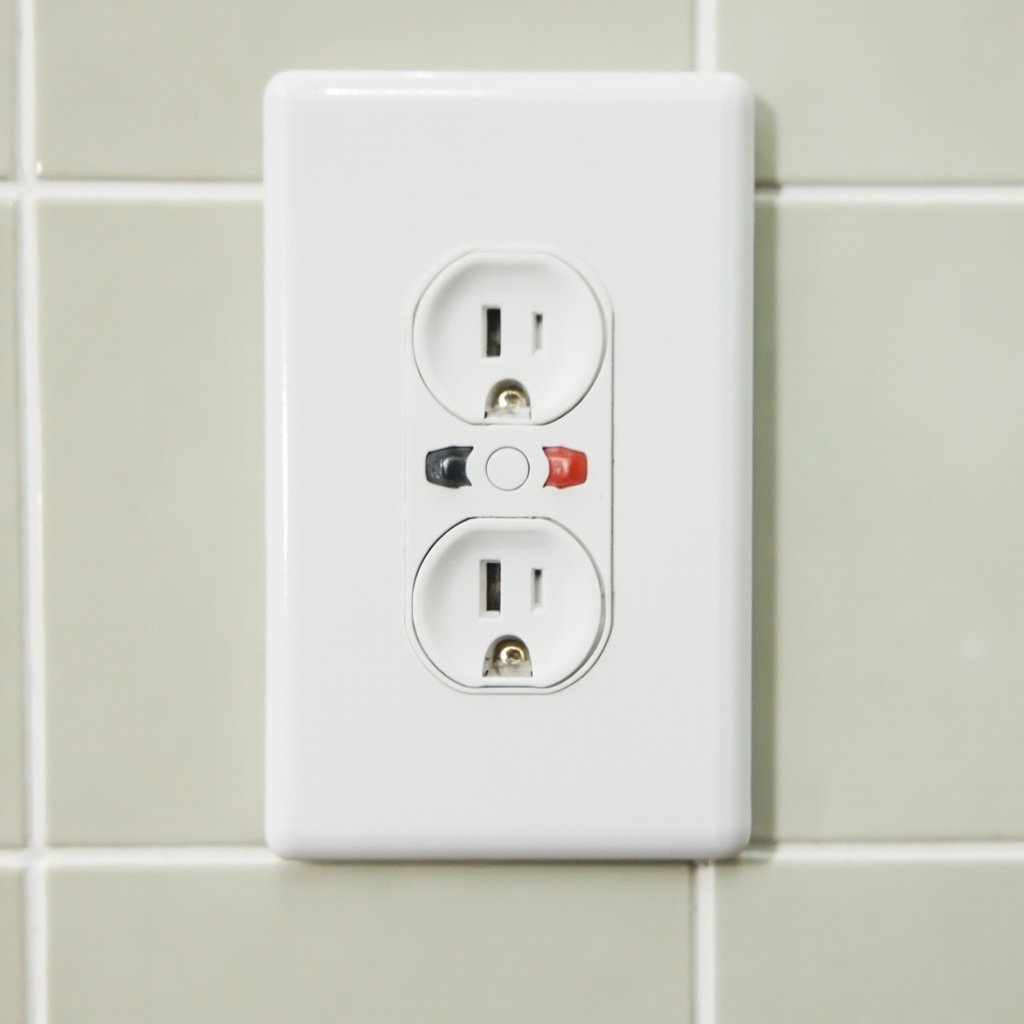
The protection can sit at the receptacle itself (the familiar outlet with TEST and RESET buttons) or at the panel, with a GFCI breaker protecting everything downstream. Either way, the device has to be readily accessible so it can be tested and reset — a GFCI buried behind a fixed vanity panel is a finding waiting to happen.
The Massachusetts Twist: The Outlet Under the Sink Counts Too
The national code already covers receptacles within 6 feet of a sink bowl. Massachusetts adds one more: a receptacle located inside the cabinet that supports a sink also needs GFCI protection (527 CMR 12.00, amending 210.8(A)(9)).
If your remodel puts a receptacle inside the vanity cabinet, it needs GFCI protection too. Assume any receptacle you add or move in the vanity area needs GFCI protection, and let your electrician confirm the layout before the walls close.
Which Edition Applies to Your Project?
The 2026 edition applies only to permits granted after April 24, 2026, so projects on either side of that date can fall under different editions. If your permit was in process around that date, do not guess: confirm with your town’s Inspector of Wires or the permit office before work starts, because the answer decides which rulebook your inspection follows.
Older Homes: Two-Prong Outlets and No Ground Wire
Greater Boston housing stock is old, and a lot of bathrooms still have ungrounded two-prong receptacles. A GFCI does not need a ground wire to protect people — it trips on the imbalance between the hot and neutral conductors, which is why the code offers an older-home path: under NEC 406.4(D)(2), an ungrounded two-prong receptacle can be replaced with a GFCI receptacle marked “No Equipment Ground,” and receptacles downstream of it are marked “GFCI Protected” and “No Equipment Ground.”
Be clear about what that does and does not do. It protects people from shock. It is not a real equipment ground, and plug-in surge protectors do not work the same way on an ungrounded circuit. In a full remodel, your electrician will usually run a grounded circuit instead; the labeled-receptacle route is mainly for limited updates where opening walls is not in the plan.
Massachusetts also has a Rule 11 exception that covers certain cooking appliances; it expires on January 1, 2029, and it does not apply to bathroom receptacles.
What This Means for Your Remodel
Three habits keep a bathroom project out of trouble:
- Plan the receptacles before tile. Locations, the under-sink outlet, and anything within 6 feet of the tub or shower all get decided at rough-in, not at final inspection.
- Test monthly. Press TEST, confirm the power cuts, press RESET. If a GFCI trips repeatedly, that is diagnostic information for a licensed electrician, not a reason to swap in a non-GFCI outlet.
- Keep the paperwork straight. Electrical work in Massachusetts is normally done by a licensed electrician under an electrical permit. Your remodeler coordinates it, but the permit and the work are the electrician’s.
The electrical rules are only half the code picture in a wet room — the waterproofing side has its own Massachusetts requirements, covered in our guide to Massachusetts shower waterproofing code requirements.
At Bath Design Boston, the electrical work in our bathroom remodels is done by licensed electricians under an electrical permit, and proof of license and insurance is available on request. Local rules and your town’s Inspector of Wires have the final say, so confirm the details for your address before work begins.
Sources: 527 CMR 12.00 (Massachusetts Electrical Code, 2026 edition with amendments, reprint: bostonjatc.com); Code Red Consultants, 2026 MA Electrical Code Update (NFPA 70); Massachusetts Electrical Code overview (mass.gov).
Permits run through every part of a bathroom project, not just the electrical work — our guide to tub-to-shower conversion permits in Massachusetts covers the permit side of that popular project.