
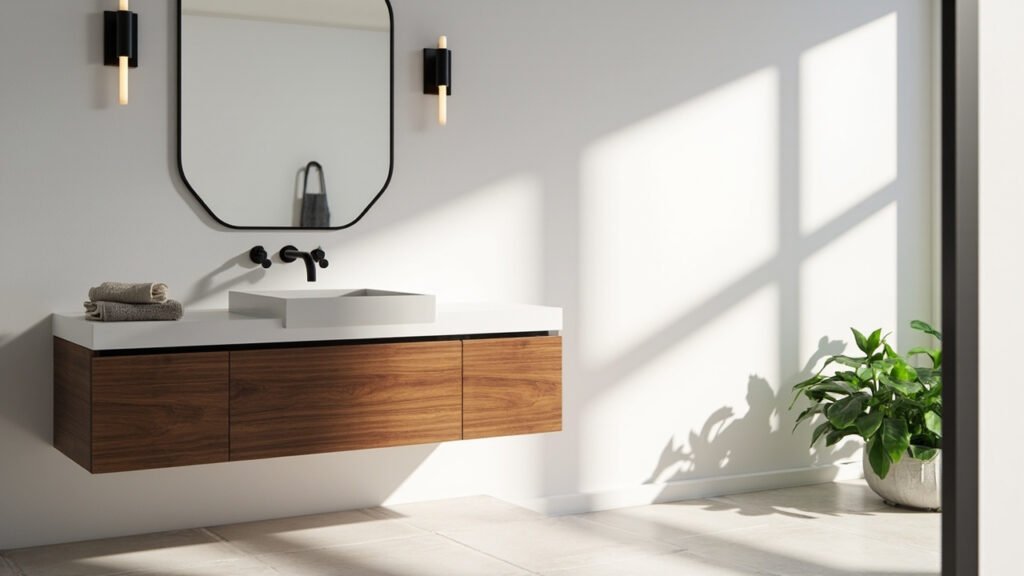
When it comes to bathroom remodeling Boston homeowners face a unique set of challenges that go beyond simple aesthetics. From historic townhouses in Back Bay to mid‑century colonials in Newton, the Greater Boston area is filled with older properties that demand careful planning, modern waterproofing, and an understanding of local building codes. Bath Design Boston specializes in delivering high‑quality remodels across Middlesex County, Norfolk County, and the surrounding communities, ensuring every project meets the specific needs of Boston‑area homes.
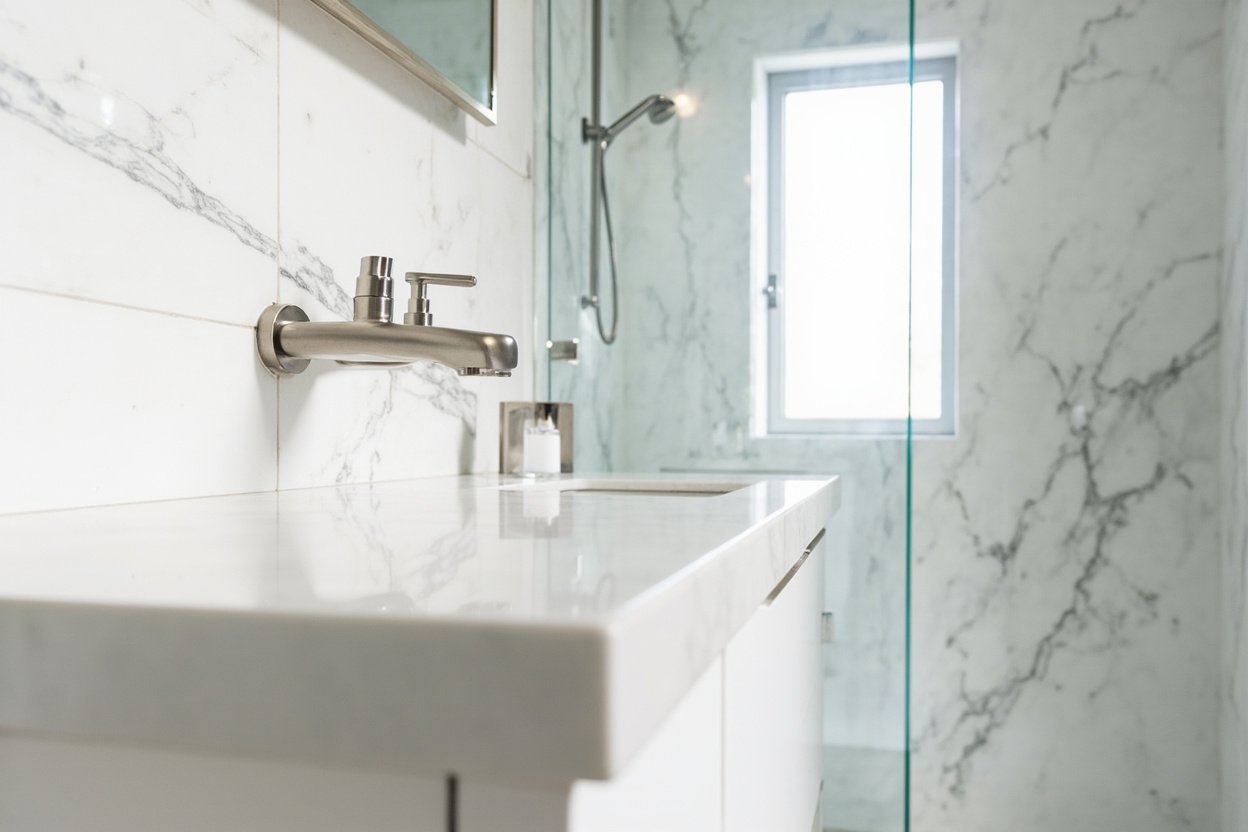
Why Boston Homes Require Specialized Bathroom Remodeling
Boston’s housing stock is among the oldest in the country. Many homes were built with plaster walls, narrow doorways, and limited ceiling heights, which can create layout constraints that are rare in newer construction. Moisture management is another critical concern: the region’s humid summers and cold winters mean bathrooms are prone to condensation, mold, and water damage if not properly ventilated and waterproofed. Additionally, historic preservation guidelines in certain neighborhoods may affect the scope of work, especially when altering original features or adding new plumbing lines.
Choosing a contractor who understands these variables is essential. Bath Design Boston combines local expertise with proven construction practices, delivering remodels that respect the character of older homes while adding the conveniences of modern living.
Planning Your Boston Bathroom Remodel
Before any demolition begins, a well‑structured plan helps avoid costly surprises. Consider the following steps:
- Define your goals: Decide whether you need a complete overhaul, a tub‑to‑shower conversion, or simply new vanities and tile.
- Set a realistic budget: Allocate funds for materials, labor, permits, and a contingency for unexpected issues that often arise in older homes.
- Assess layout constraints: Measure door widths, ceiling heights, and existing plumbing locations to determine if reconfiguration is feasible.
- Choose a design style: Whether you prefer a sleek contemporary look or a classic Victorian accent, your vision guides material selections.
Additionally, Boston’s seasonal temperature swings can affect material choices. For instance, porcelain tile is more resistant to thermal expansion than ceramic, and selecting a high‑performance waterproofing membrane can prevent moisture infiltration during humid summers. Working with a local contractor who knows which products perform best in the New England climate helps avoid premature failures.
During the planning phase, Bath Design Boston conducts a thorough on‑site assessment, reviewing the structural integrity of walls and subfloors and identifying any potential code compliance issues specific to Middlesex and Norfolk Counties.
Popular Upgrades for Boston Bathrooms
Homeowners in the Boston area are increasingly opting for upgrades that improve both functionality and value:
- Walk‑in showers: Open, barrier‑free designs maximize space and provide easy access, especially beneficial for aging residents.
- Tub‑to‑shower conversions: Replacing an outdated tub with a modern shower can open up square footage and enhance visual appeal.
- Custom tile work: From subway patterns to intricate mosaics, custom tiling adds personality and can reflect the historic charm of a property.
- Custom vanities: Tailored cabinetry optimizes storage in compact bathrooms while offering a range of finishes.
- High‑efficiency fixtures: Low‑flow toilets, water‑saving faucets, and LED lighting reduce utility bills and support sustainable living.
When selecting materials, consider the long‑term effects of Boston’s weather. Porcelain and natural stone offer durability and resistance to moisture, while low‑maintenance grout and sealants reduce the risk of staining and mildew. Upgrading to water‑efficient fixtures not only cuts utility bills but also aligns with Massachusetts’ water conservation goals, making your bathroom both eco‑friendly and cost‑effective.
The Remodeling Process: What to Expect
Understanding the typical flow of a Boston bathroom remodel helps set realistic expectations:
- Initial consultation: A design expert meets with you to discuss goals, measure the space, and review possible layouts.
- Design and selection: Detailed drawings and material selections are finalized, including tiles, fixtures, and cabinetry.
- Permitting: Bath Design Boston handles the necessary permit applications, ensuring compliance with local building codes.
- Demolition: Existing fixtures, flooring, and any compromised wall sections are removed safely.
- Waterproofing and subfloor preparation: Critical steps include installing waterproof membranes, cement backer board, and proper drainage systems to prevent future water damage.
- Installation: New plumbing, electrical, tiling, and fixture placement are completed by skilled tradespeople.
- Finishing touches: Painting, sealing, and final inspections ensure everything looks polished and functions correctly.
After the construction phase, a final walkthrough ensures every detail meets your expectations. Bath Design Boston conducts a comprehensive inspection, checking for proper sealing, fixture operation, and code compliance. Any minor adjustments are addressed promptly, leaving you with a bathroom that is ready for everyday use and built to last.
Maintaining Your New Bathroom in a Boston Climate
After the remodel is complete, proper maintenance preserves your investment. Boston’s humidity levels can cause condensation buildup, so make sure exhaust fans are used consistently and that any windows are properly sealed. Inspect grout lines annually for cracks and reseal as needed. Periodically check caulking around the shower and tub to prevent moisture infiltration. If you installed a walk‑in shower, keep the glass doors clean and free of soap residue to avoid water spots.
In the winter months, indoor heating can cause rapid temperature changes, leading to condensation on windows and walls. Use a programmable hygrometer to monitor humidity levels and adjust ventilation fans accordingly. If your home has older cast‑iron pipes, consider a periodic inspection to ensure there are no hidden leaks that could compromise your new remodel.
Regular upkeep not only extends the life of your new bathroom but also ensures that the spaces remain safe and comfortable for your family throughout the year.
Ready to plan? Visit our bathroom remodeling page for Free, no-obligation estimate
When planning your bathroom remodeling boston, focus on clear scope, proper waterproofing, and smart layout choices.