
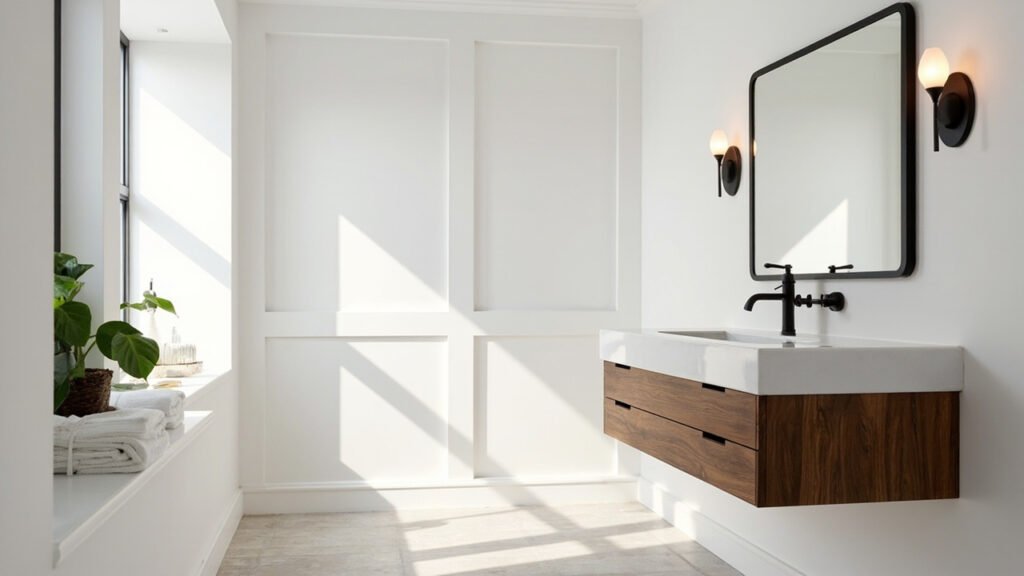
Thinking about a bathroom remodel in Boston? You are not alone. Many homeowners in Greater Boston, Middlesex County, Norfolk County, and the surrounding areas are updating their bathrooms to add comfort, value, and efficiency to their homes. A well-planned bathroom renovation can improve daily routines, reduce water waste, and even increase your home’s resale appeal. However, there are specific challenges that come with remodeling bathrooms in the Boston area, from historic house structures to local building codes. Understanding these factors before you begin can save time, reduce surprises, and help you make confident decisions.
Why Boston Homes Require Special Planning
Boston’s housing stock includes a wide range of architectural styles, from colonial-era homes in neighborhoods like Beacon Hill and Charlestown to mid-century designs in suburbs such as Newton and Brookline. Many of these properties were built decades before modern plumbing standards, which means bathroom remodeling projects often involve updating old pipes, reinforcing subfloors, or reconfiguring layouts to fit contemporary needs.
One of the first steps in any Boston bathroom remodel is assessing the condition of existing plumbing and electrical systems. Older galvanized pipes may need replacement, and wiring might not meet today’s safety standards. A thorough inspection helps identify issues early, allowing your contractor to address them before final finishes are installed.
Walk-In Showers and Tub-to-Shower Conversions
Many Boston homeowners are choosing walk-in showers over traditional bathtubs. Walk-in showers offer a sleek look, easier accessibility, and can make a small bathroom feel more spacious. If you are converting an existing tub, there are a few things to keep in mind:
- Measure the existing space carefully to ensure the new shower enclosure fits without major structural changes.
- Consider curbless designs for easier entry, especially if you plan to age in place.
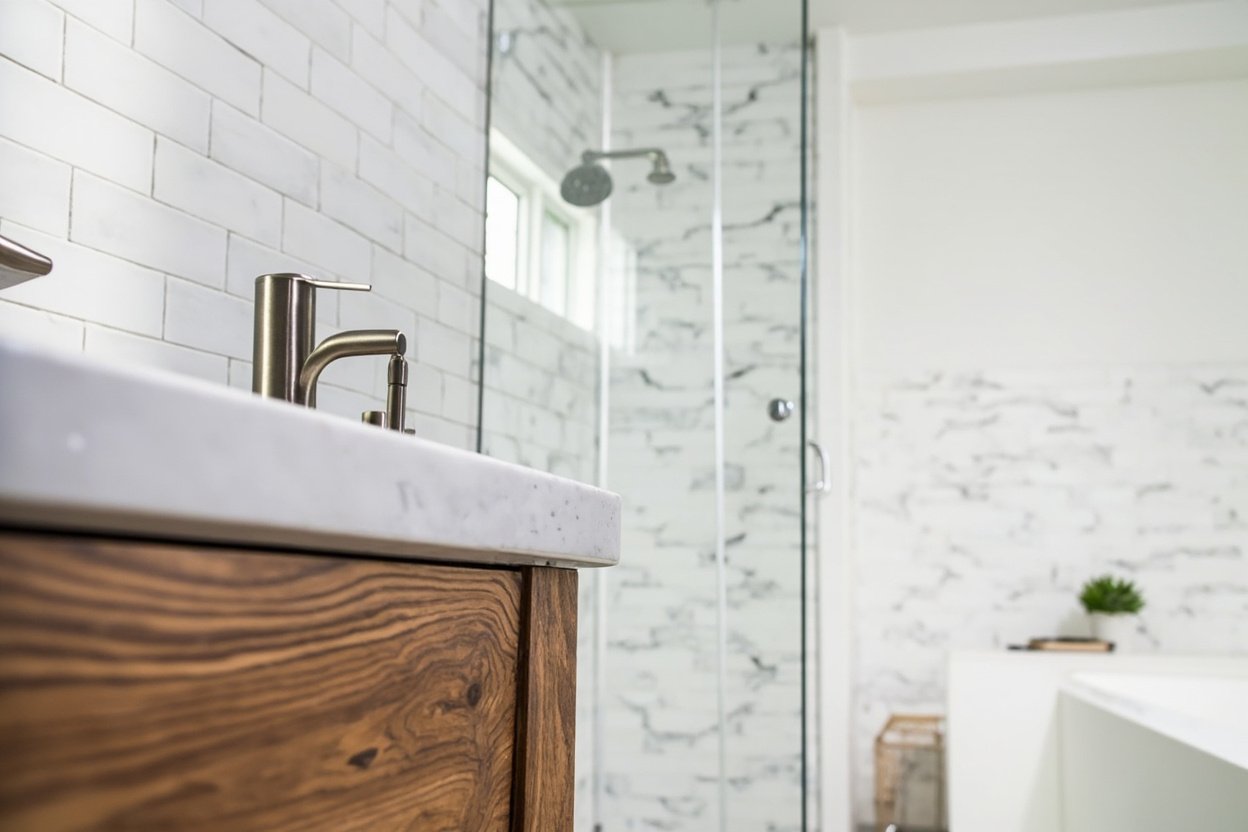
- Select durable, water-resistant materials such as ceramic or porcelain tile, or engineered stone panels.
- Plan for proper water containment with quality glass doors or frameless enclosures.
Tub-to-shower conversions are popular in powder rooms and master baths alike. They can open up floor space, making the room feel larger and more functional. However, waterproofing is critical. Improper installation can lead to leaks that damage walls and floors, especially in multi-story homes common throughout Greater Boston.
Waterproofing and Ventilation
Waterproofing is arguably the most important technical aspect of any bathroom remodel. Boston’s climate brings humid summers and cold winters, which can affect moisture levels inside your home. Without proper waterproofing and ventilation, bathrooms can develop mold, mildew, and structural damage over time.
A proper bathroom remodeling project should include:
- Waterproof membrane installation on shower walls and floors.
- Sealed joints around fixtures such as bathtubs, showers, and toilets.
- Exhaust fan installation or upgrade to move moist air outside efficiently.
- Use of mold-resistant drywall or cement backer board in wet areas.
Ventilation fans should be sized correctly for the square footage of your bathroom. Many older Boston homes have undersized or noisy fans that do not effectively remove humidity. Upgrading to a quiet, high-performance exhaust fan can protect your new finishes and improve indoor air quality.
Layout Constraints in Historic Homes
Historic homes in Boston often feature small bathrooms with unusual layouts, sloped ceilings, or limited space for plumbing relocation. Moving drains and supply lines can be expensive and sometimes impractical. Working with an experienced contractor who understands the constraints of Boston’s older housing stock can help you maximize your available space without unnecessary expenses.
Custom tile work and tailored vanity selections can make the most of challenging dimensions. A skilled designer can suggest space-saving solutions such as corner sinks, recessed medicine cabinets, or wall-mounted fixtures that free up floor space while maintaining full functionality.
Choosing Materials That Last
Boston homeowners should choose materials that can withstand temperature fluctuations and humidity changes. Solid surface countertops, high-quality porcelain tile, and premium fixtures all contribute to a bathroom that looks great and performs well for years. Custom tile designs allow you to add personality to your space while maintaining durability.
When selecting vanities, consider both style and storage needs. A well-designed vanity can anchor the room’s appearance and provide essential storage for toiletries and linens. Options range from modern floating vanities to traditional cabinet styles, allowing you to match your bathroom’s overall aesthetic.
Permits and Local Regulations
Bathroom remodeling projects in Boston and surrounding counties may require permits, especially if they involve electrical work, plumbing modifications, or structural changes. Your contractor should be familiar with local building codes and handle the permit process on your behalf. This ensures that all work meets safety standards and passes inspections, protecting your investment and your home’s value.
Working with a licensed and insured contractor also provides peace of mind. Experienced professionals understand the nuances of local regulations and can navigate the process smoothly, so you can focus on enjoying your new bathroom.
Design Trends for Boston Bathrooms
Current bathroom design trends in the Boston area emphasize clean lines, neutral palettes, and high-functionality layouts. Many homeowners are opting for spa-like features such as rainfall showerheads, heated floors, and frameless glass enclosures. Custom tile patterns, especially those inspired by classic New England architecture, add character and timeless appeal.
Lighting is another key element. Adequate task lighting around mirrors and vanity areas, combined with ambient lighting for overall comfort, can transform the look and feel of your bathroom. LED fixtures and dimmer controls offer flexibility for different times of day and activities.
Planning Your Bathroom Remodel
Successful bathroom remodeling starts with clear goals and realistic planning. Determine what you want to achieve, whether it is more space, updated fixtures, better energy efficiency, or improved accessibility. Create a budget that accounts for materials, labor, and a contingency for unexpected issues that may arise during construction.
Communication with your contractor is essential throughout the project. Regular updates, transparent pricing, and a defined timeline help keep the remodel on track. Choose a team that listens to your needs, offers expert guidance, and delivers quality craftsmanship.
Ready to plan? Visit our bathroom remodeling page for Free, no-obligation estimate
When planning your bathroom remodeling boston, focus on clear scope, proper waterproofing, and smart layout choices.