
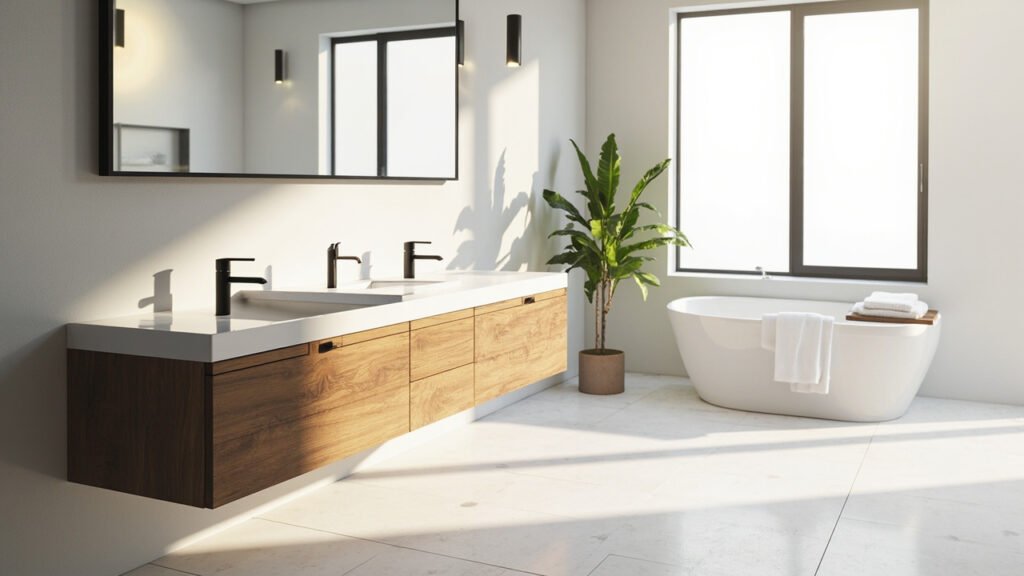
When it comes to bathroom remodeling in the Boston area, proper tile installation is one of the most important decisions you will make. The climate and housing stock in Greater Boston present unique challenges that require careful planning and professional expertise. Whether you are updating a vintage Beacon Hill brownstone or modernizing a contemporary condo in Cambridge, understanding the specifics of bathroom tile installation in Boston homes can save you time, money, and future headaches.
Why Boston Homes Require Specialized Tile Installation
Greater Boston’s distinctive architecture includes numerous historic homes built in the 19th and early 20th centuries. These properties often feature unique layouts, original construction methods, and plaster walls that require special consideration during bathroom renovations. Many Boston homeowners discover that their existing bathrooms have non-standard dimensions, sloped floors, or limited subfloor access—all factors that affect how tiles should be installed.
The climate in Middlesex County, Norfolk County, and the surrounding areas means bathrooms experience significant humidity fluctuations throughout the year. Proper waterproofing becomes essential, not optional, when installing tile in this region. Your installation must account for moisture control, adequate ventilation, and temperature variations that older homes in particular may struggle to manage effectively.
Essential Steps for Successful Bathroom Tile Installation
Proper bathroom tile installation involves several critical phases that professional contractors follow systematically.
- Assessment and preparation – Evaluating existing substrates, checking for water damage, and ensuring structural integrity
- Waterproofing installation – Applying appropriate moisture barriers and membranes specifically rated for bathroom use
- Subfloor preparation – Reinforcing or replacing old flooring to meet current tile installation standards
- Tile layout planning – Creating patterns that complement your bathroom’s dimensions and architectural features
- Professional installation – Setting tiles with proper adhesive techniques and allowing adequate curing time
- Grouting and sealing – Finishing with appropriate materials that resist moisture and staining
Each step builds upon the previous one, creating a bathroom tile system that withstands Boston’s demanding conditions. Skipping or rushing any phase compromises the entire installation and can lead to costly repairs down the road.
Common Challenges in Boston Bathroom Tile Projects
Every bathroom tile installation in the Boston area encounters specific obstacles that require professional expertise to navigate successfully.
Layout constraints are common in older homes where bathrooms were designed with smaller footprints than modern standards recommend. Professional contractors understand how to work with non-standard room dimensions, positioning fixtures and planning tile layouts that maximize available space while maintaining functionality. Creative approaches to tile patterns can visually expand smaller bathrooms considerably.
Ventilation concerns present another critical issue. Boston’s humidity patterns mean bathrooms need proper airflow systems to prevent moisture buildup that leads to mold, mildew, and tile damage. Experienced installers coordinate tile placement with exhaust fan placement and ensure adequate air circulation throughout the space. Many older Boston homes lack adequate ventilation systems, making this consideration especially important during renovation projects.
Subfloor conditions in older properties frequently require remediation before tile installation can proceed safely. Squeaking floors, soft spots, and uneven surfaces all demand attention during the preparation phase. Professional assessment identifies problems that homeowners might overlook, preventing tile cracking and structural issues after installation is complete.
Choosing the Right Tile Materials for Boston Bathrooms
Selecting appropriate tile materials for your Boston bathroom depends on several factors, including room location, usage patterns, and aesthetic preferences. Each option offers distinct advantages worth considering.
Porcelain tiles provide exceptional durability and moisture resistance, making them ideal for Boston bathrooms. Available in numerous colors, textures, and sizes, porcelain tiles can replicate the appearance of natural stone while offering superior performance in humid environments. Their low water absorption rate makes them particularly suitable for shower installations and bathroom floors throughout the Greater Boston area.
Ceramic tiles offer versatility and affordability for Boston homeowners. Standard ceramic tiles work well for bathroom walls and backsplashes, while glazed ceramic options provide adequate durability for most floor applications. The extensive range of styles available ensures you can achieve virtually any design aesthetic your renovation requires.
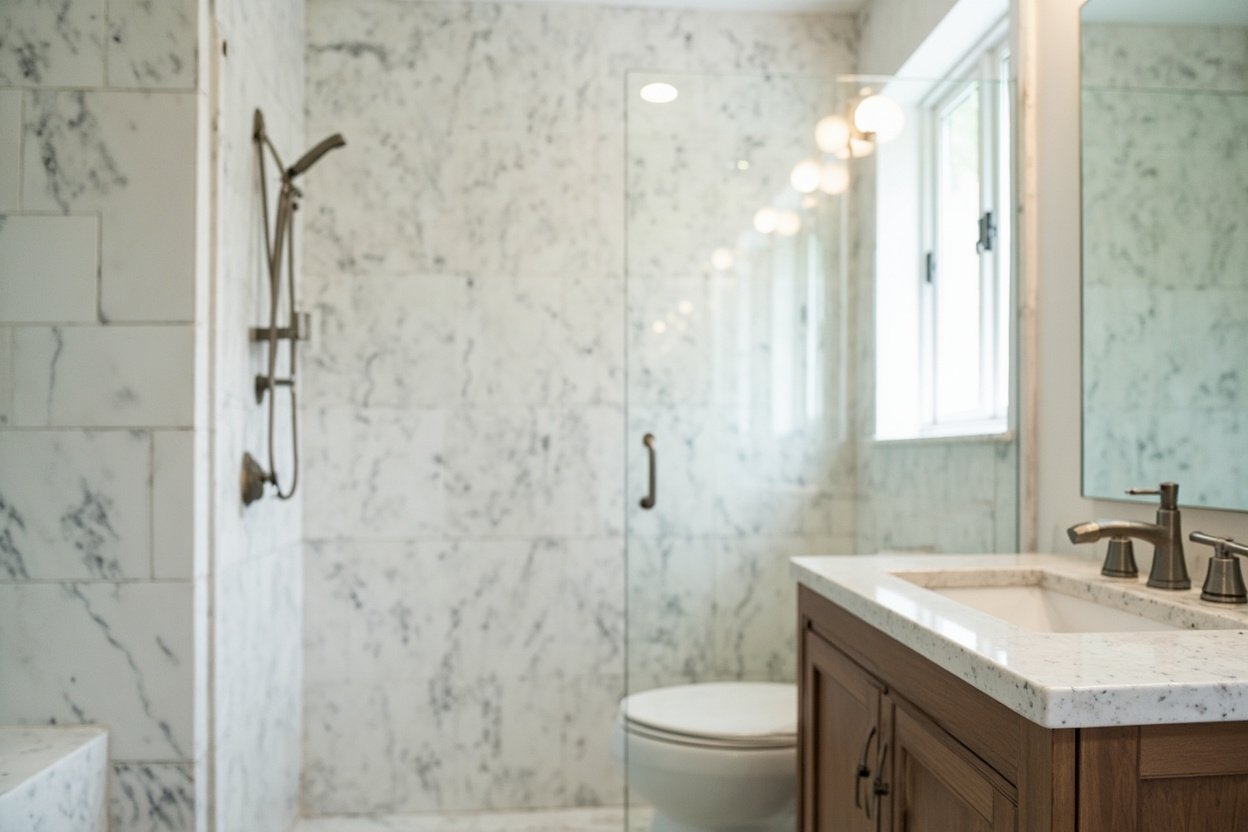
Natural stone tiles—including marble, granite, and slate—add distinctive character to Boston bathrooms. These materials bring unique veining and color variations that manufactured tiles cannot replicate. However, natural stone requires additional maintenance and periodic sealing to prevent staining and moisture damage, particularly important in Boston’s variable climate.
Glass mosaic tiles excel in shower installations and as accent pieces. Their reflective properties enhance lighting in bathrooms with limited natural light, common in Boston’s dense urban neighborhoods. Professional installation is essential for glass tiles, as improper handling can result in cracking or chipping.
Protecting Your Bathroom Tile Investment
Once your bathroom tile installation is complete, proper maintenance preserves its appearance and extends its lifespan significantly. Regular cleaning with appropriate, non-abrasive products prevents grout discoloration and tile surface damage. Avoiding harsh chemicals protects both tiles and grout from deterioration over time.
Periodic inspection of grout lines and sealants helps identify potential issues before they escalate into costly repairs. In Boston’s climate, where humidity levels fluctuate between seasons, checking your bathroom tile installation annually provides peace of mind and catches small problems before they grow larger.
Prompt attention to any cracks, loose tiles, or water infiltration signs prevents more extensive damage throughout your bathroom. Professional contractors recommend addressing these warning signs immediately to protect the underlying structure of your home.
Ready to plan? Visit our bathroom remodeling page for Free, no-obligation estimate
Professional bathroom tile installation in the Boston area requires understanding local building requirements, familiarity with regional housing characteristics, and commitment to quality craftsmanship. Whether you are planning a complete bathroom renovation or updating specific tile features, investing in professional installation protects your home and ensures lasting satisfaction with your remodeling project.
When planning your bathroom tile installation boston, focus on clear scope, proper waterproofing, and smart layout choices.