
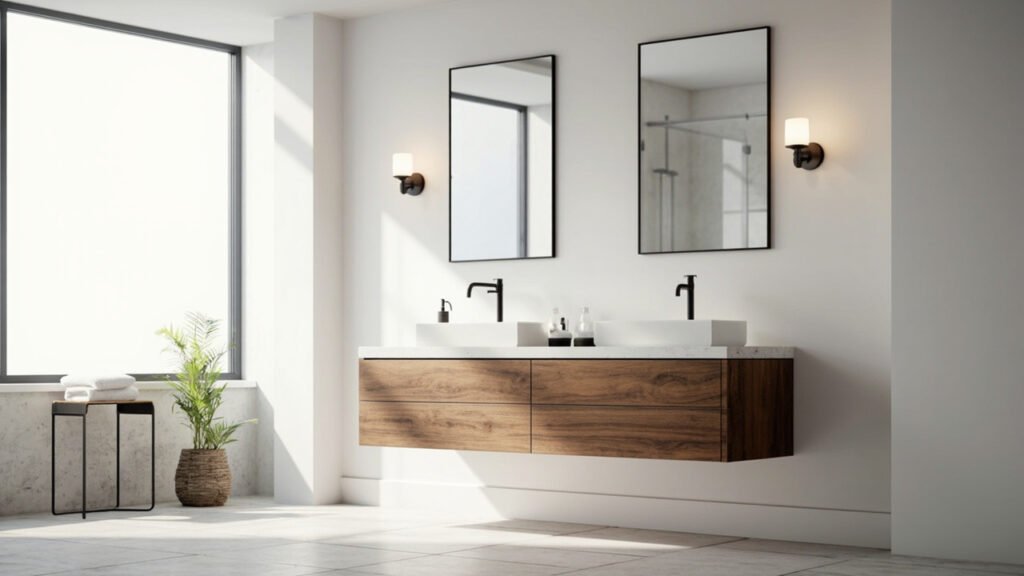
When it comes to upgrading a bathroom, tile remains one of the most popular choices for Boston homeowners. It offers durability, moisture resistance, and endless design possibilities. Whether you are planning a full bathroom remodel, a walk‑in shower conversion, or a simple refresh of your powder room, professional bathroom tile installation in Boston can add value and functionality to your home. This guide walks you through the key considerations that are specific to the Boston area, from dealing with historic structures to ensuring proper waterproofing in our humid climate.
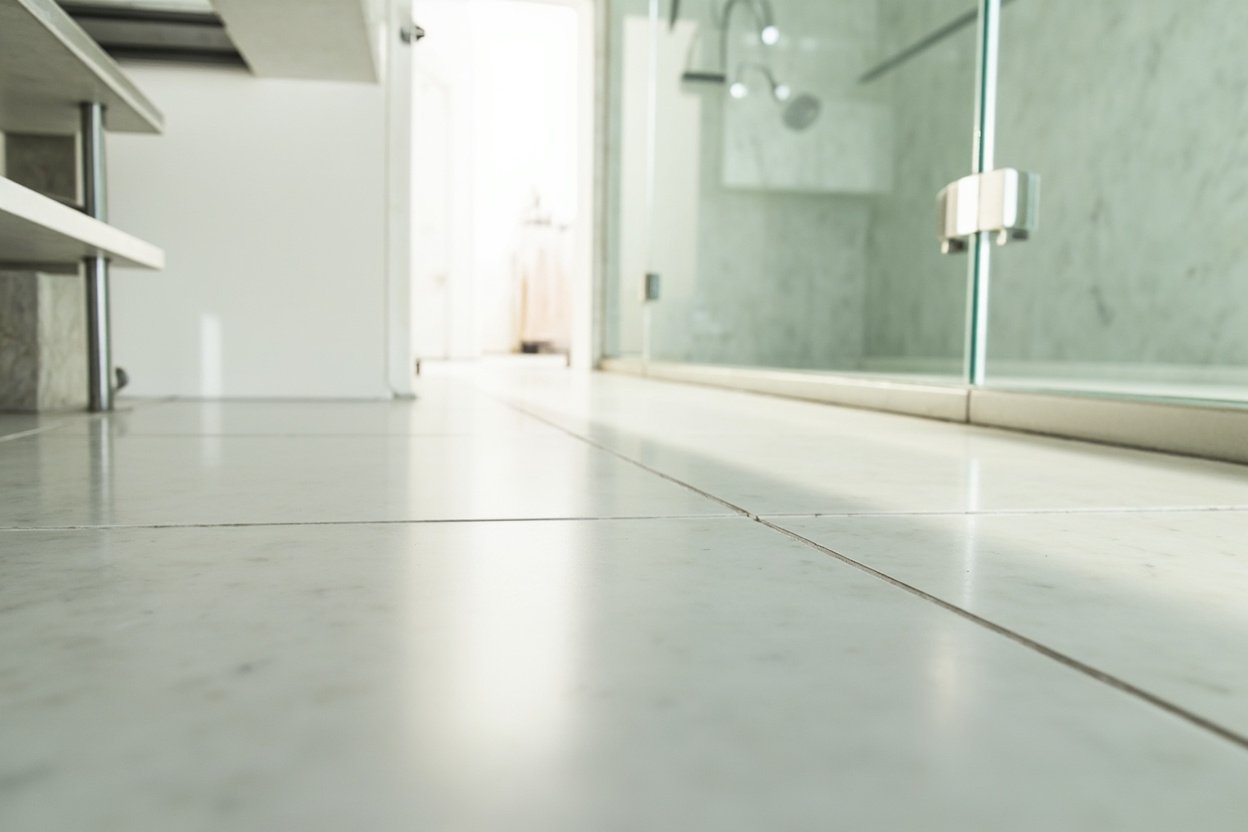
Understanding Boston’s Older Home Challenges
Much of the housing stock in Greater Boston, Middlesex County, and Norfolk County consists of historic homes built in the early‑20th century or earlier. These houses often have plaster walls, uneven subfloors, and outdated plumbing that can complicate a tile project. Before any tile is set, a thorough assessment of the existing conditions is essential. In many cases, we need to:
- Reinforce or replace damaged subflooring to provide a solid, level surface.
- Address plaster or lath walls that may not hold modern tile adhesive without proper prep.
- Upgrade plumbing lines to meet current codes while preserving the home’s original character.
- Account for non‑square corners and varying wall planes that require custom layout planning.
Taking these steps ensures that the new tile will adhere correctly and maintain its integrity over time, even in older structures that settle slightly each season.
Proper Waterproofing: A Must for Boston Bathrooms
Boston’s weather swings from cold, dry winters to humid summers, creating a persistent moisture challenge inside bathrooms. Water that seeps behind tile can lead to mold growth, rot, and costly repairs. A professional installation includes a complete waterproofing system that goes beyond the tile itself. This typically involves:
- Installing a continuous vapor barrier on walls and floors.
- Using cement backer board or waterproof tile backing that prevents water penetration.
- Applying liquid waterproof membrane around shower niches, corners, and along the floor perimeter.
- Ensuring all seams are sealed with appropriate tape and sealant.
By integrating these layers, we create a robust barrier that keeps moisture where it belongs—inside the shower or onto the tile surface—while protecting the structural components of your home.
Tile Layout and Design Considerations for Small Spaces
Many Boston bathrooms are compact, especially in older multi‑family buildings and townhouses. Strategic tile layout can make a small space feel larger and more functional. Some effective techniques include:
- Using larger format tiles (12×24 inches or bigger) to reduce grout lines and create a clean visual flow.
- Running tiles horizontally on floor and walls to draw the eye across the room, visually widening it.
- Incorporating a contrasting accent strip or mosaic border to break up monotony without overwhelming the space.
- Choosing light, neutral colors that reflect natural light, especially if the bathroom has limited windows.
A thoughtful layout also takes into account fixtures such as vanities, toilets, and towel bars, ensuring tiles are centered and aligned with these elements for a cohesive appearance.
Ventilation and Moisture Control
Proper ventilation is critical in any bathroom, but it becomes even more important in Boston’s climate where humidity can spike quickly. An efficient exhaust fan that vents to the outside (not just into the attic) helps remove excess moisture after showers. We recommend selecting a fan with a humidity sensor that automatically turns on when moisture levels rise. Additionally, consider leaving interior doors slightly ajar or installing a transfer grille to allow air circulation. This combination of mechanical ventilation and passive airflow keeps the bathroom dry, extending the life of both the tile and the surrounding structure.
Choosing the Right Tile and Materials
With a wide variety of tile options available, selecting the best material for your Boston home involves balancing aesthetics, durability, and maintenance. Common choices include:
- Porcelain: Highly water‑resistant and durable, ideal for floors and walls.
- Ceramic: Cost‑effective and available in numerous colors and patterns; best for wall applications.
- Natural Stone (e.g., slate, marble): Adds luxury but requires sealing and more upkeep.
- Glass Mosaic: Great for accent strips and shower niches, offering a sleek, modern look.
For walk‑in showers and tub‑to‑shower conversions, we often recommend slip‑resistant porcelain or textured natural stone to enhance safety without compromising style.
The Installation Process: What to Expect
Working with a local contractor like Bath Design Boston means a streamlined process from concept to completion. Here is a general overview of what you can anticipate:
- Consultation and Design: We discuss your vision, measure the space, and create a layout plan that addresses any structural challenges.
- Preparation: Demolition of existing fixtures, removal of old flooring, and necessary subfloor or wall repairs.
- Waterproofing: Installation of vapor barriers, backer board, and waterproof membranes.
- Tile Setting: Precise placement of tiles with proper adhesive, ensuring alignment and spacing.
- Grouting and Sealing: Application of grout, followed by sealing to protect against stains and moisture.
- Finishing Touches: Installation of vanities, accessories, and final inspections to ensure everything meets code.
Each step is performed with attention to detail, minimizing disruption to your daily routine while delivering a high‑quality result.
Why Work with a Local Boston Contractor
Choosing a contractor rooted in Greater Boston, Middlesex County, and Norfolk County means you benefit from in‑depth knowledge of local building codes, climate considerations, and supplier networks. Local professionals are familiar with the nuances of historic homes, the permit process, and the best practices for waterproofing in our region. Additionally, being nearby allows for faster response times and easier communication throughout the project.
Ready to plan? Visit our bathroom remodeling page for Free, no-obligation estimate
When planning your bathroom tile installation boston, focus on clear scope, proper waterproofing, and smart layout choices.