
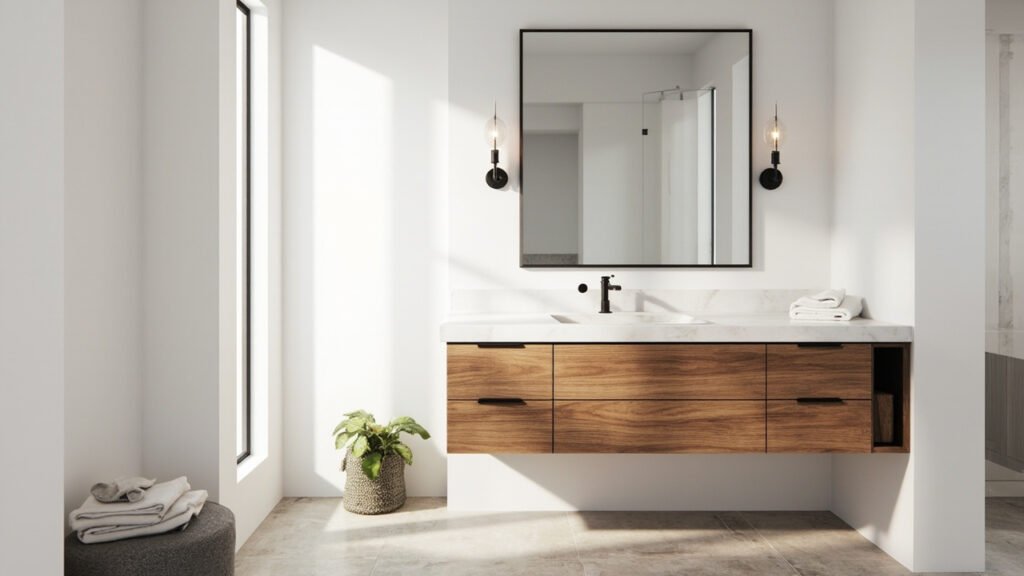
When it comes to bathroom remodeling in Greater Boston, quality tile installation makes all the difference between a bathroom that looks beautiful for years and one that develops problems within months. Boston’s distinctive architecture and housing stock present unique challenges that require careful planning and professional expertise. Whether you are updating a vintage Beacon Hill townhouse or remodeling a modern condo in Cambridge, understanding the fundamentals of bathroom tile installation helps you make informed decisions for your home.
Why Professional Bathroom Tile Installation Matters in Boston
Boston’s housing landscape is remarkably diverse, from historic brownstones with century-old construction to mid-century homes throughout Middlesex County and newer developments across Norfolk County. Each era of construction brings its own characteristics that affect how tiles should be installed. Professional bathroom remodeling contractors understand that what works in a newly built home may not be appropriate for a historic property with original plaster walls and hardwood floors beneath layers of previous renovations.
Proper tile installation in Boston requires addressing several region-specific factors. The freeze-thaw cycles that New England winters bring mean that exterior-adjacent bathrooms need extra consideration for moisture protection. Additionally, many Boston-area homes were built with narrower layouts, making efficient use of space essential when planning tile layouts and bathroom configurations.
Common Challenges with Bathroom Tile Installation in Boston Homes
Older Boston properties frequently present subfloor issues that must be addressed before any tile work begins. Warped or damaged subflooring, common in homes built before modern building codes, requires professional assessment and repair. Without proper subfloor preparation, even the highest quality tiles will crack and shift over time.
Ventilation represents another critical consideration for bathroom tile projects in the Boston area. Many older homes lack adequate bathroom exhaust fans or have ventilation systems that exhaust into the building structure rather than outdoors. Proper moisture management protects your tile investment and prevents the mold and mildew issues that plague bathrooms with inadequate airflow. Your bathroom remodeling contractor should evaluate existing ventilation and recommend solutions as part of your project scope.
Layout constraints in Boston homes often mean working with smaller bathrooms where every inch matters. Professional installers understand how to create visual continuity with tile patterns while maximizing limited space. Custom tile work becomes particularly valuable in irregularly shaped bathrooms common in older construction.
Waterproofing: The Foundation of Successful Bathroom Tiles
Waterproofing is perhaps the most critical technical aspect of bathroom tile installation, yet it is frequently overlooked by homeowners focused on aesthetics. In Boston’s climate, where humidity levels fluctuate significantly between seasons, proper waterproofing protects your investment and your home’s structure from moisture damage.
Professional bathroom remodeling contractors employ multiple layers of moisture protection. This includes waterproof membranes applied beneath the tile, proper sealing of corners and transitions, and careful attention to areas around showers, tubs, and vanity locations. Walk-in showers and tub-to-shower conversions particularly demand meticulous waterproofing since these areas experience constant water exposure.
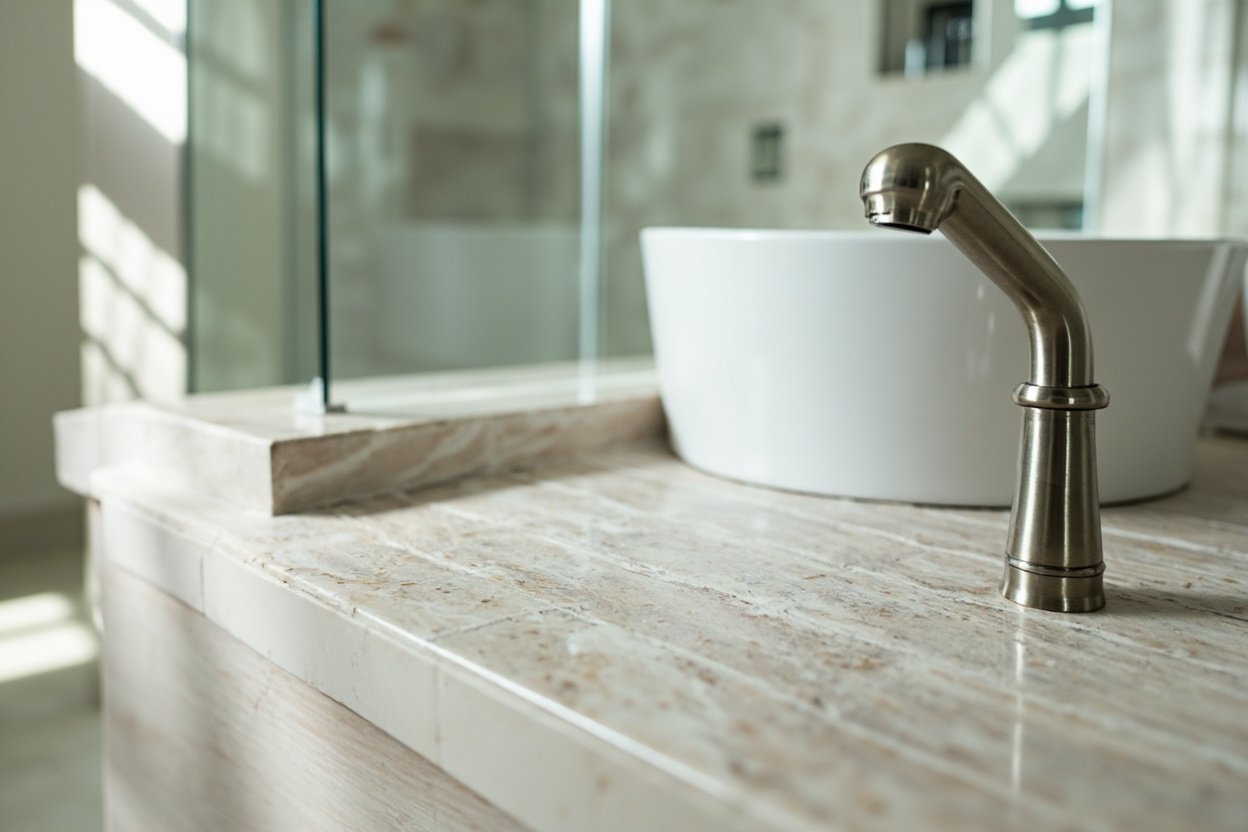
The types of tile you choose also affect waterproofing requirements. Natural stone tiles, while beautiful, often require sealing that porcelain or ceramic tiles do not need. Your contractor should explain maintenance requirements for whatever materials you select, ensuring you understand how to protect your investment long after installation is complete.
Choosing Materials for Your Boston Bathroom Remodel
Selecting tiles for your Boston bathroom involves balancing aesthetics, durability, and practicality. Porcelain tiles offer excellent water resistance and durability, making them ideal for busy bathrooms. Ceramic tiles provide a wide range of design options at various price points. Natural stone tiles bring unique character but require more maintenance in Boston’s variable climate.
For powder rooms, larger format tiles can make small spaces feel more expansive. In master bathrooms, mosaic tiles add visual interest to shower niches and accent areas. Custom tile work allows you to create truly unique designs that reflect your personal style while maintaining the functionality your household needs.
Consider how your tile choices will age with Boston’s seasonal changes. Tiles that expand and contract with temperature fluctuations require flexible grout and proper installation techniques. Professional contractors understand these material behaviors and plan accordingly to prevent future problems.
Planning Your Bathroom Tile Installation Project
Successful bathroom tile installation begins with thorough planning and clear communication with your remodeling contractor. Before work starts, discuss your goals, budget, and timeline expectations. Professional bathroom remodeling contractors will assess your existing space, identify potential issues, and recommend solutions tailored to your home’s specific conditions.
The design phase should address how tile will interact with other elements of your bathroom, including vanities, lighting, and fixtures. Transitions between different tile materials or patterns require careful planning to achieve clean, professional results. Custom tile work often serves as the focal point of a bathroom remodel, drawing attention and adding value to your home.
When planning your project, consider how your bathroom is used. Family bathrooms benefit from durable, easy-to-clean surfaces. Primary bathrooms might prioritize aesthetic appeal and luxury materials. Guest bathrooms and powder rooms have different requirements based on usage patterns and traffic levels.
Working with Bathroom Remodeling Contractors in Greater Boston
Choosing the right bathroom remodeling contractor affects every aspect of your tile installation project. Look for contractors with extensive experience in your specific area, whether that is historic homes in Boston proper or newer construction in surrounding communities. Ask about their approach to waterproofing, their experience with custom tile work, and their process for addressing unexpected issues once work begins.
Professional contractors will provide detailed proposals that address the unique characteristics of your home. They should be able to explain how their installation methods differ from basic approaches and why those methods matter for Boston’s housing stock. The best contractors combine technical expertise with design sensitivity, helping you achieve results that look beautiful and perform reliably for years to come.
Whether you need a complete bathroom remodel, a walk-in shower upgrade, or targeted tile replacement, investing in professional installation protects your home and ensures lasting satisfaction with your bathroom renovation.
Ready to plan? Visit our bathroom remodeling page for Free, no-obligation estimate
When planning your bathroom tile installation boston, focus on clear scope, proper waterproofing, and smart layout choices.