
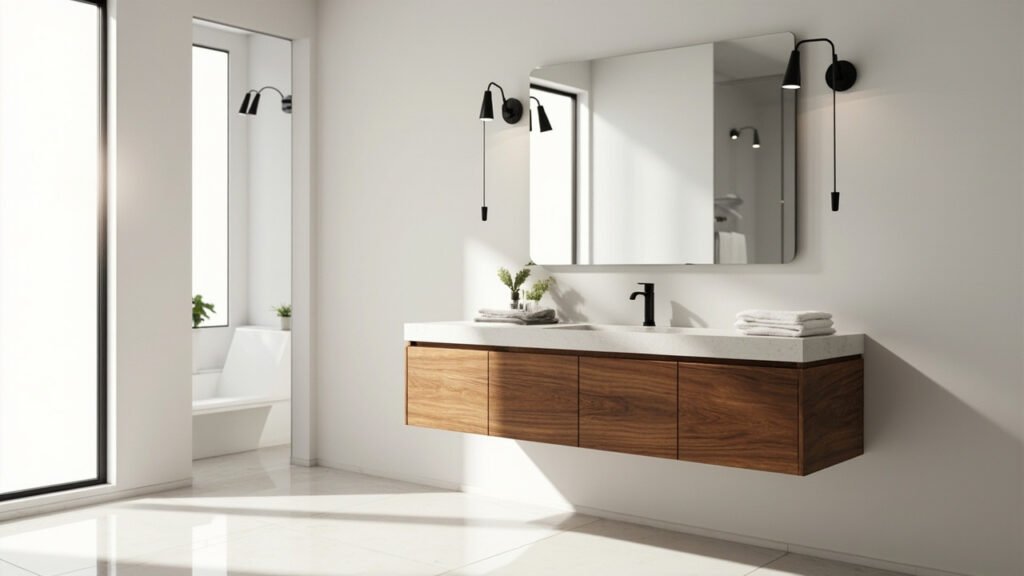
When it comes to bathroom remodeling in Greater Boston, tile installation represents one of the most impactful improvements you can make. Quality tile work transforms your bathroom’s appearance while providing the durability and water resistance your home needs. Whether you’re updating a vintage Colonial in Cambridge, renovating a Back Bay brownstone, or remodeling a modern home in Framingham, understanding the tile installation process helps you make informed decisions about your project.
Why Professional Tile Installation Matters for Boston Homes
Boston’s housing stock includes some of the oldest residential properties in the country. Many bathrooms in these historic homes feature original layouts that require careful planning during any renovation. Professional tile installation ensures your new bathroom handles Greater Boston’s humidity levels while maintaining the structural integrity of older construction.
Improperly installed tile leads to water damage, mold growth, and costly repairs. Working with experienced contractors who understand local building codes protects your investment and ensures your bathroom meets all necessary requirements for Norfolk County, Middlesex County, and Boston proper.
Boston-Specific Challenges Every Homeowner Should Know
Tile installation in Greater Boston presents unique considerations that differ from new construction areas. Understanding these challenges helps you plan more effectively.
- Older home foundations: Many Boston-area homes have settling foundations that create uneven subfloors. Professional installers assess and prepare these surfaces to prevent cracked tiles.
- Layout constraints: Historic homes often feature smaller bathrooms with unusual dimensions. Custom tile cutting and creative layout planning ensure beautiful results even in challenging spaces.
- Ventilation concerns: Proper bathroom ventilation proves essential in Massachusetts humidity. Tile installation must work with adequate exhaust systems to prevent moisture buildup behind walls.
- Waterproofing requirements: Boston building codes require specific waterproofing measures in wet areas. Professional installation includes proper membrane application and sealing to protect your home structure.
Popular Tile Options for Greater Boston Bathrooms
Choosing the right tile material affects both appearance and long-term maintenance requirements. Several options work particularly well for Boston-area bathrooms.
Porcelain tile offers excellent water resistance and durability, making it ideal for bathroom floors and shower surrounds. Available in countless colors and textures, porcelain replicates natural stone appearance at a more accessible price point.
Natural stone tiles including marble, slate, and granite provide elegant aesthetics that complement Boston’s traditional architecture. These materials require slightly more maintenance but deliver distinctive beauty that enhances historic home renovations.
Ceramic wall tile works exceptionally well for bathroom walls and shower enclosures. Modern ceramic options include large-format tiles that reduce grout lines and create a contemporary appearance suitable for powder room updates.
Glass mosaic tiles add visual interest as accent pieces in shower niches, bathroom borders, or backsplashes. These smaller tiles handle curved surfaces effectively and reflect light beautifully in smaller bathrooms.
The Tile Installation Process: What to Expect
Understanding the installation process helps you prepare for your bathroom remodel. Professional contractors follow systematic steps that ensure lasting results.
- Initial assessment: Your contractor evaluates the existing bathroom structure, checking for water damage, subfloor conditions, and layout considerations specific to your home’s age and construction.
- Surface preparation: Proper substrate preparation determines tile longevity. This step may involve removing old flooring, repairing damaged surfaces, and applying appropriate underlayment.
- Waterproofing application: Installing proper waterproofing membranes protects your home’s structure and prevents mold growth. This critical step satisfies local building requirements throughout Middlesex and Norfolk Counties.
- Layout planning: Professional installers plan tile placement to minimize cuts and ensure visually appealing results. This planning phase considers focal points, lighting, and traffic patterns.
- Installation: Using quality thin-set mortar and proper techniques, tiles get installed with consistent spacing and alignment. Large projects may complete in multiple stages to ensure proper curing.
- Grouting and sealing: After mortar cures, grout application fills joints and sealing protects porous materials from water absorption and staining.
Maintaining Your Newly Tiled Bathroom
Quality tile installation represents a significant investment in your home. Protecting that investment requires appropriate maintenance practices suited to Boston’s climate.
Regular cleaning with pH-neutral cleaners prevents grout discoloration and tile damage. Avoid acidic cleaners that erode grout and damage stone surfaces. In bathrooms with limited ventilation, running exhaust fans during and after showers reduces humidity that promotes mold growth.
Periodic resealing of natural stone tiles maintains their water resistance and appearance. Your contractor can recommend appropriate sealing schedules based on your specific tile materials and bathroom usage patterns.
Ready to plan? Visit our bathroom remodeling page for Free, no-obligation estimate
When planning your bathroom tile installation boston, focus on clear scope, proper waterproofing, and smart layout choices.