
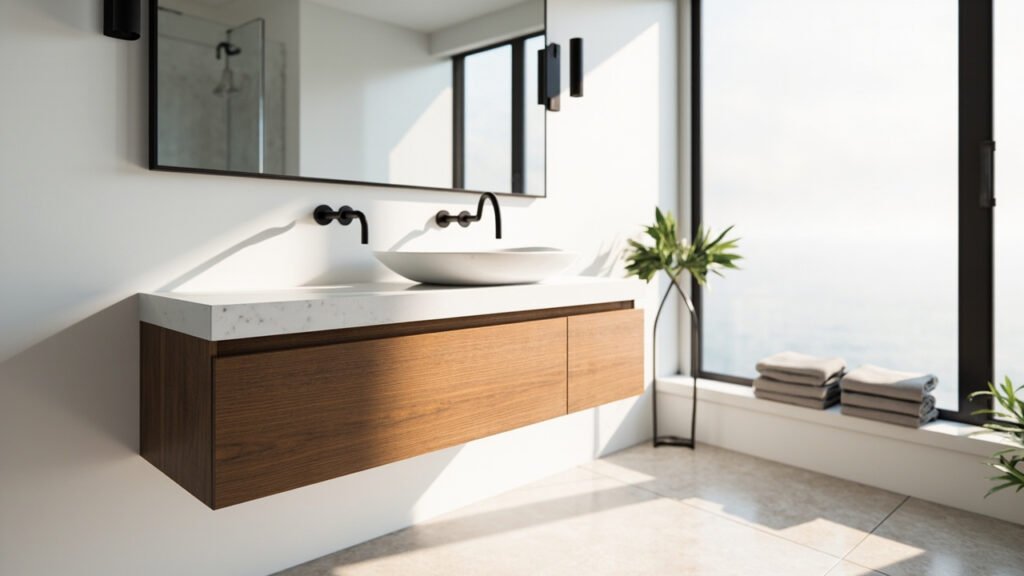
Boston’s historic architecture and diverse housing stock present unique challenges for bathroom tile installation. Whether you own a classic three-decker in Somerville, a brownstone in Back Bay, or a modern condo in Cambridge, proper tile work requires careful planning, quality materials, and skilled craftsmanship. At Bath Design Boston, we understand the specific demands of bathroom remodels throughout Greater Boston, Middlesex County, Norfolk County, and surrounding areas.
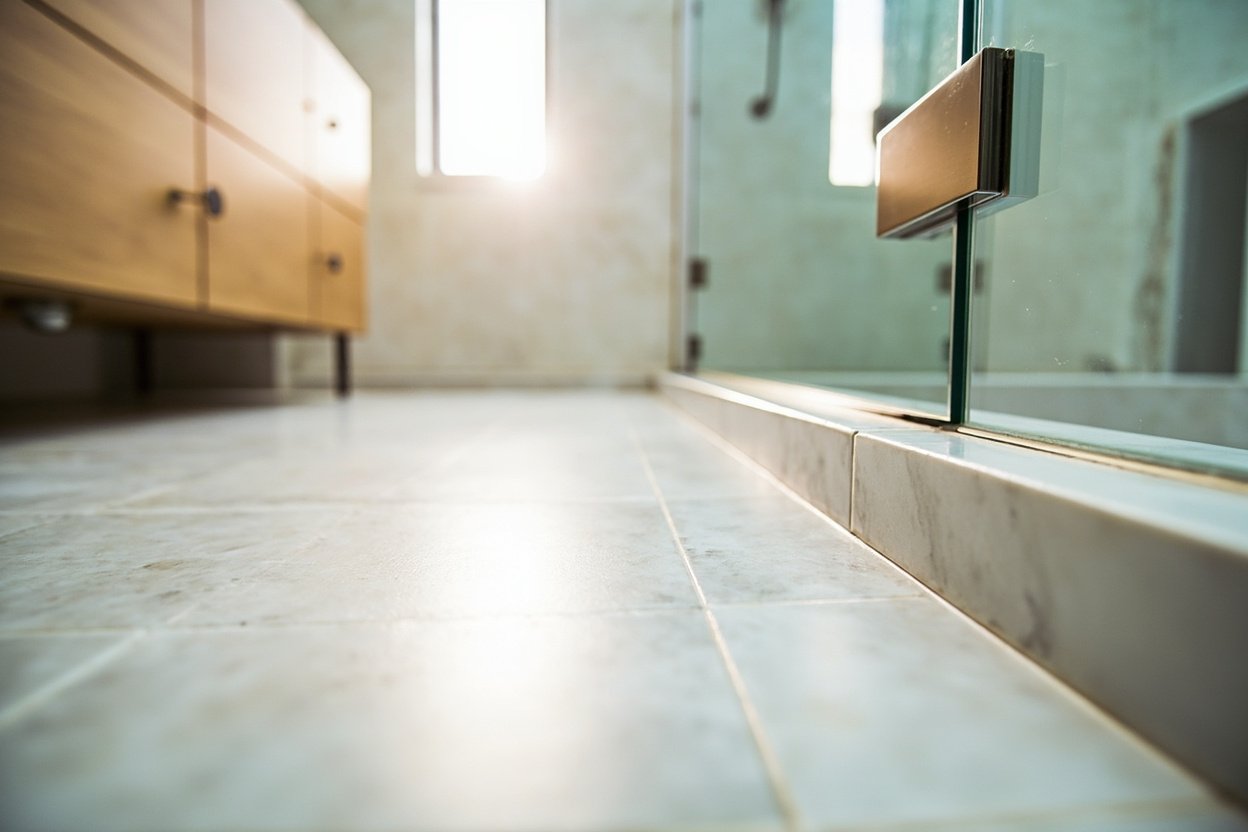
Why Professional Tile Installation Matters in Boston
Boston homeowners often underestimate the complexity of bathroom tile work. Unlike surface-level upgrades, tile installation affects your bathroom’s waterproofing, structural integrity, and long-term value. Poor installation leads to water damage, mold growth, and costly repairs that can exceed the original project cost significantly.
Professional tile installation ensures proper substrate preparation, correct adhesive application, and appropriate grouting techniques. In Boston’s older homes, where foundations may have settled and subfloors show their age, these details become even more critical for lasting results.
Understanding Boston’s Climate and Your Tiles
Massachusetts experiences dramatic seasonal changes, from humid summers to freezing winters. These temperature fluctuations affect bathroom environments differently than in milder climates. Bath Design Boston specialists account for these conditions when selecting materials and installation methods.
Proper ventilation systems are essential for Boston bathrooms. Without adequate airflow, moisture becomes trapped and compromises tile adhesion over time. During installation, we assess existing ventilation and recommend improvements when necessary, protecting your investment from moisture-related failures common in poorly ventilated spaces.
Common Tile Installation Challenges in Older Boston Homes
Many Boston-area homes were built with construction methods that differ significantly from modern standards. Wall studs may be uneven, floor joists may span longer distances, and subfloor materials vary by era. These factors require careful assessment before any tile work begins.
Common challenges include:
- Out-of-level floors requiring self-leveling compounds
- Walls that need furring out to accommodate new tile and waterproofing layers
- Plumbing positions that don’t align with standard fixture dimensions
- Limited bathroom footprints common in historic homes
- Shared walls with neighboring units in multi-family buildings
Our team evaluates each bathroom individually, developing solutions that address these specific challenges while maximizing available space and functionality.
Key Areas Where Tile Installation Makes a Difference
Tile serves multiple purposes in Boston bathrooms. Beyond aesthetics, it protects walls and floors from water damage, simplifies cleaning, and adds value to your home. Understanding where tile makes the most impact helps you plan your remodel effectively.
Shower and wet areas require the most attention to detail. Proper waterproofing behind tile prevents moisture from reaching wall cavities and causing structural damage. Bathroom floors face constant exposure to water, soap, and foot traffic. Porcelain and natural stone tiles offer durability and water resistance when properly installed. Vanity backsplashes protect walls from splashes while creating visual interest. Even small accent areas benefit from quality tile work that ties your design together.
Waterproofing: Essential for Boston Bathrooms
Waterproofing represents the most critical aspect of any bathroom tile project, particularly in Boston’s older housing stock. Water that penetrates behind tiles creates ideal conditions for mold growth, wood rot, and structural deterioration that may not become apparent until significant damage has occurred.
Professional installation includes proper waterproofing membranes applied before tile placement. These membranes create a continuous barrier that prevents water from reaching vulnerable building materials. In Boston specifically, where basements and lower levels often house bathrooms, comprehensive waterproofing protects both your unit and any spaces below.
Common waterproofing issues we address include deteriorating caulk around existing fixtures, missing or damaged shower pans, and inadequate moisture barriers behind existing tile. These problems frequently exist in older Boston bathrooms without visible signs until renovation reveals the extent of damage.
Choosing the Right Tiles for Your Boston Home
Boston homeowners have access to an extensive range of tile options, from classic subway tile that complements historic interiors to large-format porcelain panels that suit contemporary renovations. Each material offers distinct advantages depending on your bathroom’s conditions and design goals.
Porcelain tile provides excellent water resistance and durability, making it suitable for floors and walls throughout bathrooms. Natural stone tiles like marble, slate, and granite add distinctive character but require more maintenance to prevent staining and moisture absorption. Glass tiles create visual interest in accent areas and reflect light effectively in smaller bathrooms common in Boston’s older homes.
Size and format matter in Boston bathrooms where space constraints often limit design options. Large tiles can make small bathrooms feel more spacious by reducing grout lines, while smaller mosaic tiles work well for curved surfaces and detailed designs around fixtures.
The Installation Process: What to Expect
Quality tile installation follows a systematic process that ensures lasting results. Initial consultation and assessment help us understand your goals, evaluate existing conditions, and develop appropriate solutions. This phase often reveals underlying issues that require attention before tile work can proceed.
The installation typically follows these phases:
- Existing fixture removal and substrate evaluation
- Structural repairs and subfloor or wall preparation
- Waterproofing membrane installation
- Tile layout and precise placement
- Grouting and sealing
- Fixture reinstallation and finishing
Each phase requires appropriate cure times, particularly in older homes where conditions may demand additional preparation steps. Our team communicates throughout the process, keeping you informed of progress and any adjustments needed to achieve optimal results.
Working with a Local Boston Contractor
Choosing a contractor familiar with Boston’s housing stock and local conditions provides meaningful advantages. We understand building codes and permit requirements throughout Greater Boston, Middlesex County, Norfolk County, and surrounding communities. Our experience with local architectural styles helps us recommend solutions that respect your home’s character while meeting modern performance standards.
Local contractors also provide accessible service if issues arise after project completion. Our team stands behind our work and remains available to address questions or concerns as you enjoy your newly tiled bathroom.
Ready to plan? Visit our bathroom remodeling page for Free, no-obligation estimate
When planning your bathroom tile installation boston, focus on clear scope, proper waterproofing, and smart layout choices.