
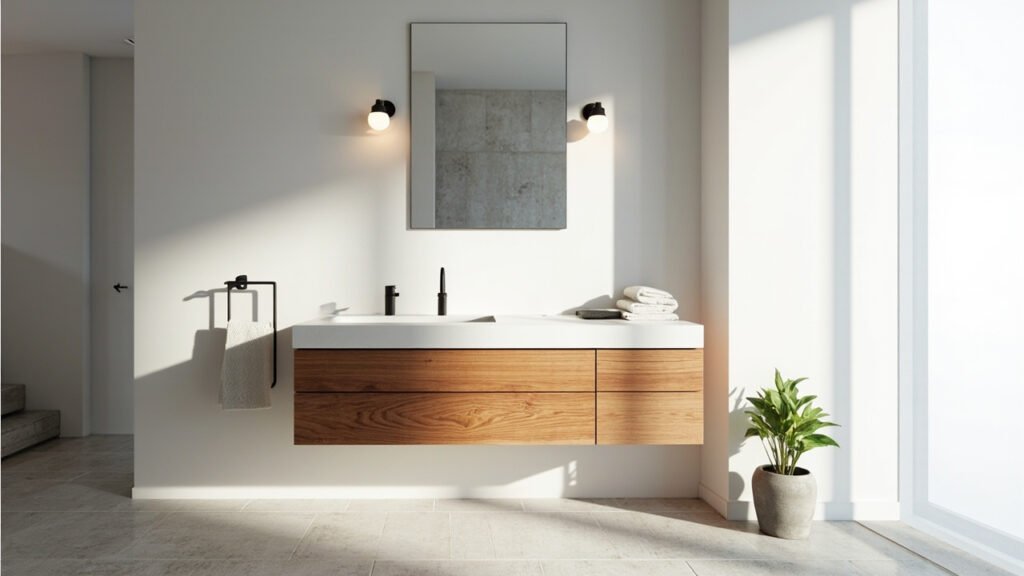
When it comes to bathroom remodeling in Greater Boston, tile installation ranks among the most impactful upgrades you can make. Whether you are renovating a historic Back Bay brownstone, updating a mid-century Colonial in Newton, or modernizing a contemporary condo in Cambridge, quality tile work transforms your space while addressing the unique challenges that Boston-area homes present. Understanding what to expect from professional bathroom tile installation helps you make informed decisions and ensures lasting results.
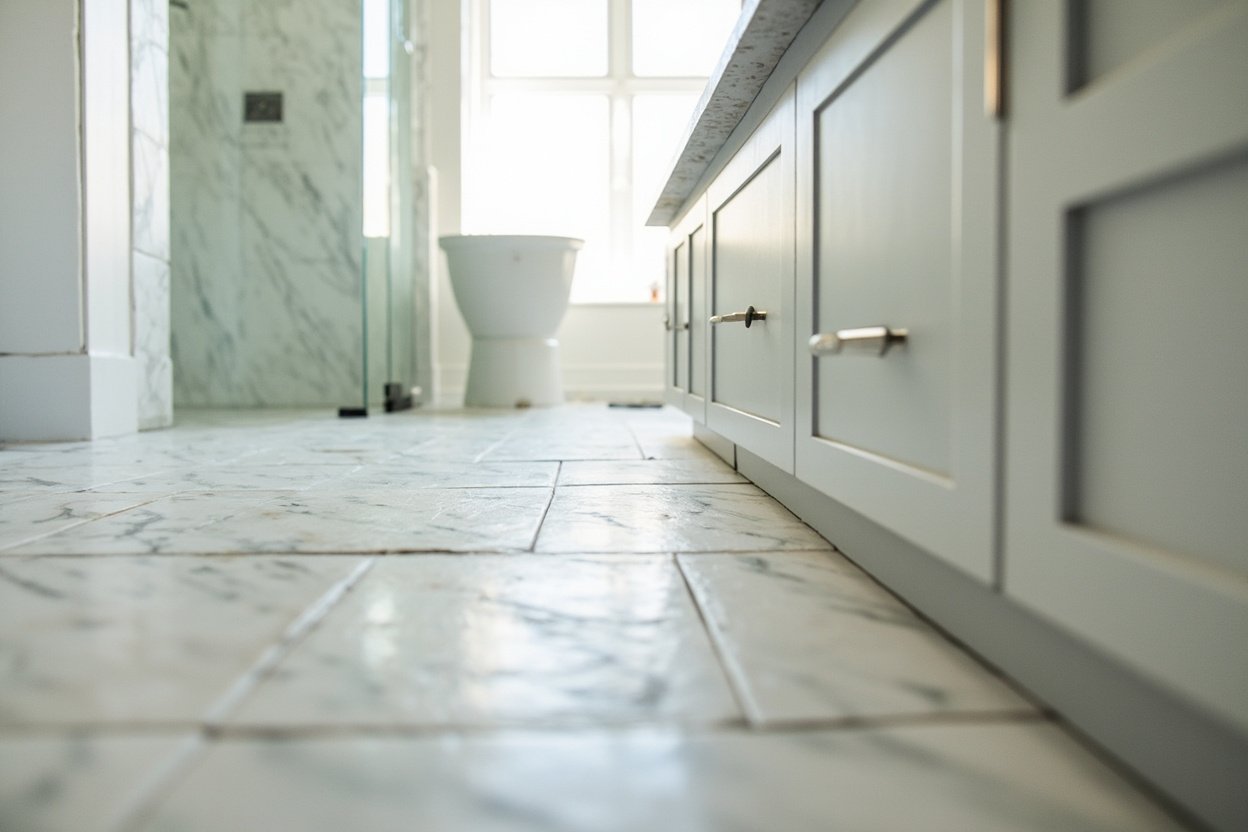
Why Tile Installation in Boston Requires Special Consideration
Boston’s housing stock presents distinctive challenges that set it apart from newer construction in other regions. Many homes throughout Middlesex County and Norfolk County were built before modern building codes existed, meaning existing bathrooms often feature unconventional layouts, subfloor conditions that require remediation, and limited space that demands creative design solutions. Professional bathroom tile installation must account for these variables to deliver beautiful, long-lasting results.
Climate considerations also play a significant role in bathroom tile projects throughout Greater Boston. Our region experiences significant humidity fluctuations between seasons, which affects how materials perform over time. Proper installation techniques must address moisture management, temperature transitions, and the natural movement that occurs in older structures. Cutting corners on preparation or materials leads to problems that may not appear until months or years after installation.
Waterproofing: The Foundation of Successful Bathroom Tile Work
Waterproofing represents the most critical yet often overlooked aspect of bathroom tile installation. In Boston’s older homes especially, bathrooms frequently share walls with living spaces, making water intrusion a serious concern. Professional installers understand that tile itself is not waterproof; the systems beneath the tile surface determine whether your bathroom stays dry and mold-free.
Quality bathroom tile installation in Boston should include proper membrane systems, sealed joints, and careful attention to transitions between different surfaces. Shower enclosures, tub surrounds, and even backsplash areas all require specific waterproofing approaches. When done correctly, these systems protect your investment and your home’s structural integrity for decades. The expense of proper waterproofing upfront saves thousands in potential water damage repairs later.
Choosing Tile Materials for Boston Bathrooms
Modern tile options offer remarkable variety, but material selection for Boston bathrooms should balance aesthetics with practical performance. Porcelain tile stands as an excellent choice for most applications due to its density, low absorption rate, and resistance to temperature fluctuations. Ceramic tile provides an economical alternative for walls and lower-traffic areas. Natural stone tiles like slate, marble, and granite add distinctive character but require more maintenance and proper sealing protocols.
For bathroom floors specifically, slip resistance deserves serious consideration given our wet New England winters and the natural humidity that accumulates in bathrooms. Larger tiles with textured finishes perform better in high-moisture areas while creating the illusion of more space in smaller bathrooms common throughout Boston’s historic neighborhoods. Mosaic tiles work beautifully as accents in showers or as durable flooring in powder rooms where style takes priority over cleanability.
The Installation Process: What to Expect
Professional bathroom tile installation follows a systematic process that skilled contractors tailor to each home’s specific conditions. The process typically begins with thorough assessment of existing surfaces, subfloor integrity, and structural considerations unique to your home. Any necessary repairs or preparation work happens before tile installation begins, ensuring a stable foundation.
From there, the installation proceeds through these key stages:
- Removal of existing materials and disposal
- Subfloor or wall surface preparation and leveling
- Waterproofing membrane installation
- Layout planning and precise measurements
- Tile placement with proper adhesive application
- Grouting and sealing according to material specifications
- Final inspection and cleanup
Each phase requires attention to detail and proper curing times between steps. Rushing the process compromises final quality, which is why experienced contractors resist pressure to compress timelines unreasonably.
Common Challenges in Boston Bathroom Tile Projects
Ventilation presents one of the most frequent challenges in Boston-area bathroom renovations. Older homes often lack adequate exhaust systems, and bathroom layouts sometimes make proper airflow difficult to achieve. Professional installers work with homeowners to address ventilation issues during the remodeling process, recommending exhaust fan upgrades or improved window configurations where possible. Proper ventilation extends the life of your tile installation and prevents the mold and mildew issues that plague poorly ventilated bathrooms.
Layout constraints also require creative solutions throughout Greater Boston. Historic homes frequently feature bathrooms tucked into awkward spaces, with sloped ceilings, offset walls, or unconventional door placements that complicate standard installation approaches. Custom tile work allows skilled craftsmen to address these unique dimensions while maintaining visual coherence. Whether you need specially cut tiles to navigate architectural details or custom solutions for unusually shaped shower enclosures, experienced contractors have the expertise to handle challenging configurations.
Working with a Boston-Area Tile Installation Professional
Selecting the right contractor for your bathroom tile project involves more than comparing prices. Look for installers familiar with the specific challenges of homes throughout Greater Boston, from the triple-deckers of Quincy to the Victorian properties of Wellesley. Experience with historic renovation projects indicates understanding of the extra care these homes require. Ask about waterproofing approaches, substrate preparation methods, and warranty coverage before making your decision.
Professional bathroom remodeling contractors who serve Middlesex County and Norfolk County should provide clear proposals that detail scope of work, materials specifications, and realistic timelines. Be wary of quotes that seem significantly lower than competitors, as this often indicates corners being cut on materials or preparation that will cost you later. Quality tile installation represents a long-term investment in your home’s value and livability.
Ready to plan? Visit our bathroom remodeling page for Free, no-obligation estimate
When planning your bathroom tile installation boston, focus on clear scope, proper waterproofing, and smart layout choices.