
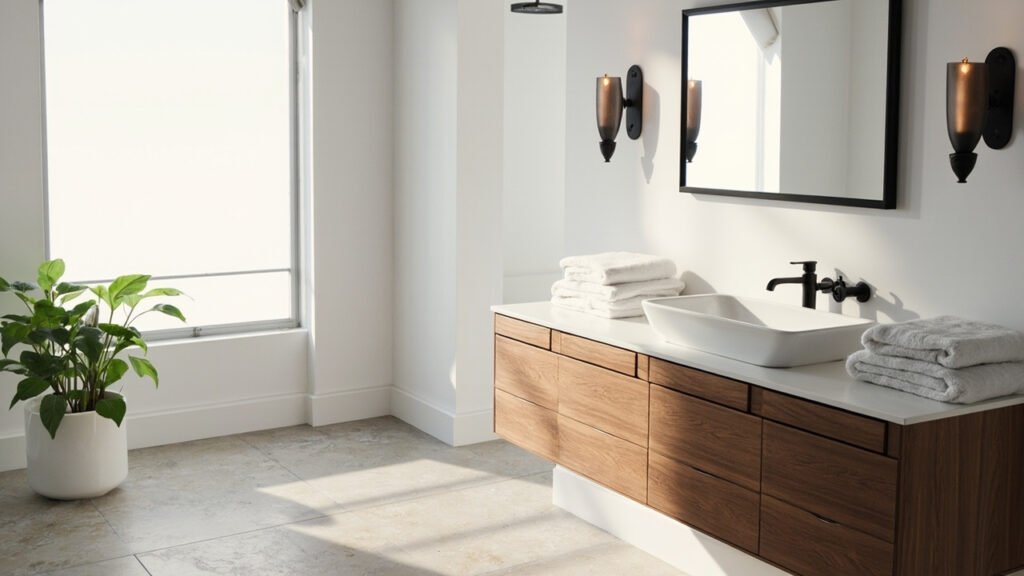
When it comes to bathroom remodeling in the Greater Boston area, tile installation stands as one of the most impactful improvements you can make. Whether you are updating a historic home in Cambridge or modernizing a newer construction in Quincy, quality bathroom tile installation transforms your space while addressing the unique challenges that Boston properties present. This guide walks you through everything you need to understand about bathroom tile installation in Boston, from selecting materials to working with experienced contractors who know the regional considerations.
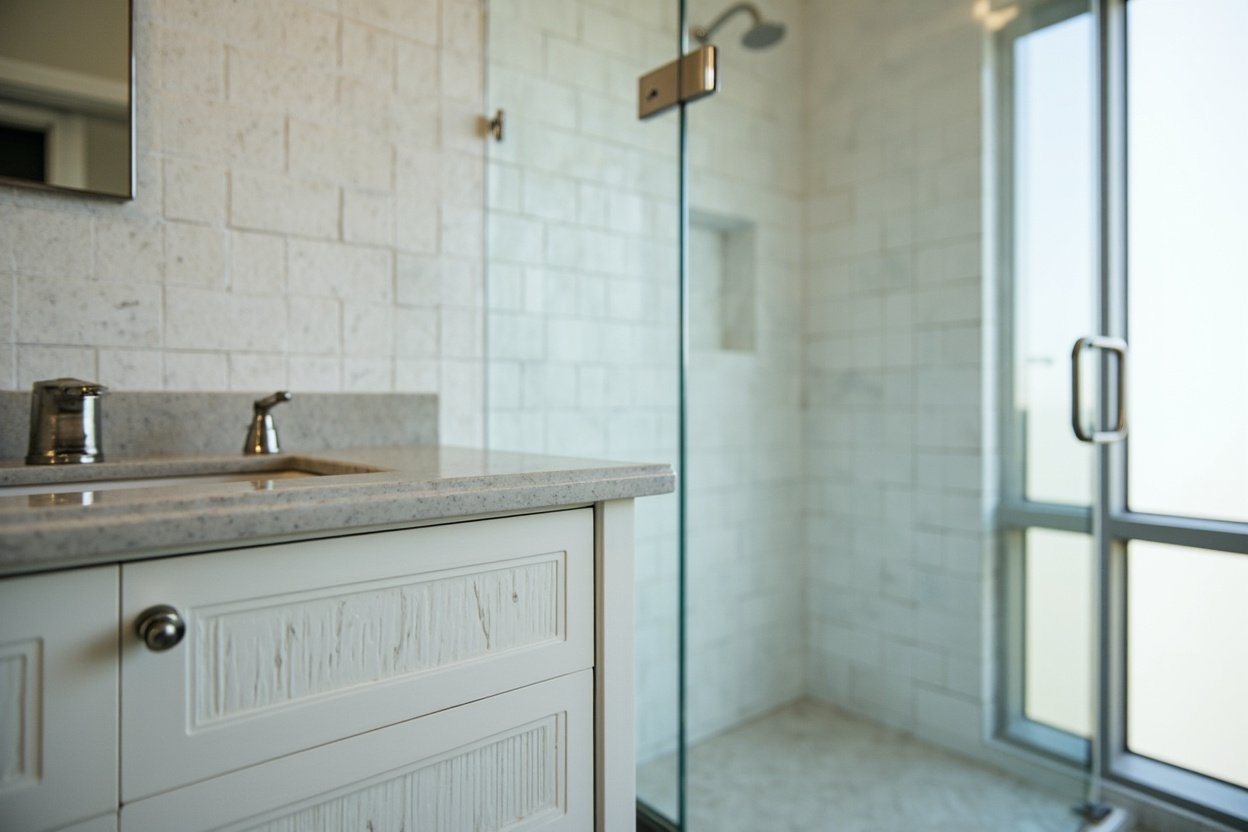
Understanding Boston’s Unique Challenges for Tile Installation
Boston’s housing stock presents specific challenges that require careful planning. Many homes in Middlesex County and Norfolk County were built decades ago, meaning foundations may have settled and subfloors might not be perfectly level. These conditions demand expertise in preparation work before any tile is laid. Professional installers begin by assessing the existing substrate, checking for moisture issues, and ensuring proper structural integrity. Working with a local contractor who understands these regional nuances makes a significant difference in the longevity of your tile work.
Older homes often feature plaster walls that may need reinforcement before tile installation can proceed. The freeze-thaw cycles that Massachusetts winters bring mean that any moisture penetration behind tiles can lead to serious damage over time. Proper waterproofing becomes not just a best practice but an absolute necessity in our climate.
Choosing the Right Tiles for Your Boston Bathroom
Modern tile options offer remarkable versatility for bathroom applications. Porcelain tiles rank among the most popular choices for Boston bathrooms because they resist moisture absorption and handle temperature fluctuations well. These tiles come in countless styles, from designs that mimic natural stone to contemporary geometric patterns that suit modern tastes.
Natural stone tiles including marble, granite, and slate add distinctive character to bathroom spaces, though they require more maintenance and sealing to protect against Boston’s humid summers and dry winters. For powder rooms where moisture exposure is minimal, natural stone creates an elegant focal point.
Ceramic tiles provide an economical option that works well for wall applications and low-traffic bathroom areas. Mosaic tiles offer creative possibilities for shower niches, accent borders, and decorative details that personalize your remodel.
Consider these factors when selecting bathroom tiles:
- Water absorption rate for your specific bathroom location
- Slip resistance ratings for shower and floor applications
- Durability classification for high-traffic household bathrooms
- Maintenance requirements and long-term care commitments
- Style compatibility with your overall bathroom design
The Tile Installation Process: What to Expect
Professional bathroom tile installation involves several critical phases that skilled contractors follow methodically. The process begins with thorough preparation of the existing space, which for bathroom remodels might include removing old fixtures, addressing any water damage, and leveling the subfloor or wall substrate.
Next comes the waterproofing stage, which proves especially important for shower installations and bathroom floors. Experienced installers apply appropriate waterproof membranes and ensure proper curing times between each preparation layer. Rushing this phase leads to problems that may not become apparent until months or years after installation.
Tile layout planning happens before any adhesive is applied. Professional installers map out the placement to maximize aesthetic appeal while minimizing visible cuts, particularly in focal areas like behind the vanity or around the shower entrance. This planning phase accounts for grout line placement, tile size variations, and the overall visual pattern.
The actual installation involves precise adhesive application, careful tile placement, and appropriate spacing for grout lines. After the adhesive cures, grouting fills the joints and sealing protects vulnerable areas. Each phase requires attention to detail and proper technique.
Waterproofing and Ventilation: Critical Considerations for Boston Homes
Massachusetts building codes specify requirements for bathroom ventilation, but older Boston-area homes often have inadequate exhaust systems that fail to remove excess moisture effectively. Proper ventilation prevents mold growth, protects your tile investment, and maintains healthy indoor air quality. When planning your bathroom remodel, discuss ventilation improvements with your contractor as an integral part of the project.
Waterproofing extends beyond the visible tile surfaces. Professional installers address all vulnerable areas including behind tile walls, beneath floor installations, and around fixtures. Shower pans, waterproof membranes, and proper sealing around edges create a complete moisture barrier system. This comprehensive approach distinguishes quality bathroom tile installation from shortcuts that lead to costly repairs.
Boston’s seasonal humidity variations mean your bathroom faces different moisture challenges throughout the year. Quality installation accounts for these changes, using materials and techniques that perform reliably regardless of external conditions. This attention to regional climate considerations separates local expertise from generic installation approaches.
Common Mistakes to Avoid in Bathroom Tile Projects
One frequent error involves choosing tiles based solely on appearance without considering their appropriate applications. Floor tiles need higher slip resistance and durability ratings than wall tiles. Using wall tiles on floors leads to premature wear and potential safety hazards.
Another common mistake concerns insufficient preparation of the existing surface. Attempting to tile over damaged, unstable, or uneven substrates virtually guarantees problems down the road. Professional installers take time to address underlying issues rather than hoping they will resolve themselves.
DIY tile installation often saves money initially but proves expensive when problems emerge. Without proper tools, techniques, and experience, amateur installations frequently suffer from uneven spacing, poor adhesion, and inadequate waterproofing. The cost of correcting these issues typically exceeds what professional installation would have cost originally.
Skipping proper sealing and grout maintenance represents another oversight that compromises bathroom tile longevity. Grout lines require periodic sealing to prevent moisture penetration and staining. Discuss maintenance requirements with your contractor before project completion.
Planning Your Boston Bathroom Tile Project
Successful bathroom tile installation in the Greater Boston area starts with realistic planning and clear communication with your contractor. Consider how you use your bathroom, who uses it, and what aesthetic direction appeals to you. These factors guide material selection and layout decisions.
Walk-in showers and tub-to-shower conversions often benefit from professional tile work that addresses the specific waterproofing demands of wet areas. Custom tile designs can transform standard bathrooms into distinctive spaces that reflect your personal style while adding value to your home.
Bath Design Boston serves homeowners throughout Greater Boston, Middlesex County, and Norfolk County with comprehensive bathroom remodeling services. From initial design consultation through project completion, experienced professionals guide you through material selection, installation best practices, and finishing details that complete your vision.
Ready to plan? Visit our bathroom remodeling page for Free, no-obligation estimate
Investing in quality bathroom tile installation pays dividends through improved functionality, enhanced aesthetics, and lasting durability. By understanding the process, addressing Boston-specific challenges proactively, and working with knowledgeable local contractors, you can achieve results that serve your household well for years to come. Whether you are planning a complete bathroom renovation or updating specific tile features, professional installation makes the difference between temporary improvement and lasting value.
When planning your bathroom tile installation boston, focus on clear scope, proper waterproofing, and smart layout choices.