
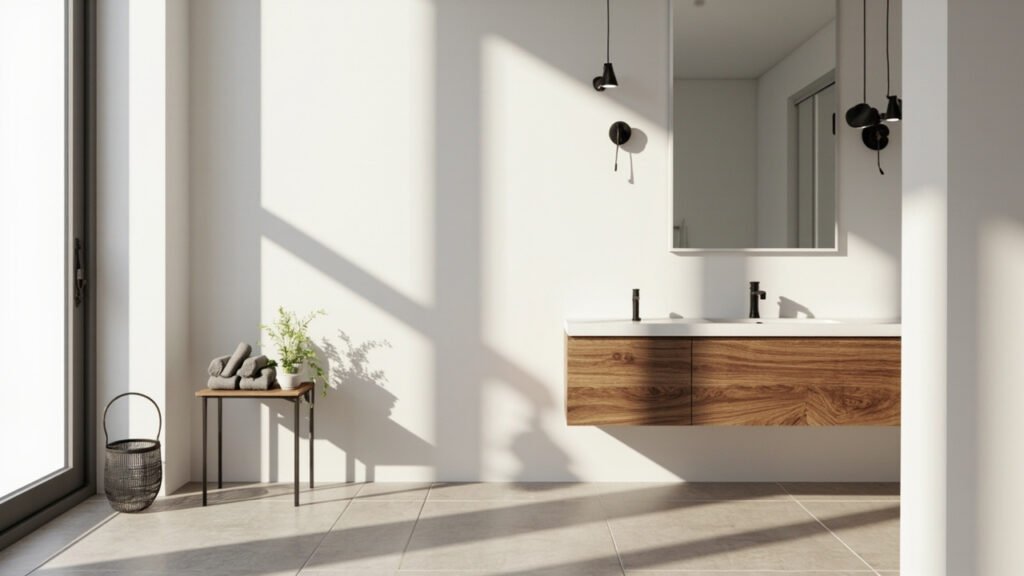
When it comes to bathroom remodeling in Greater Boston, tile installation is one of the most important decisions you’ll make. Whether you’re updating a historic home in Cambridge, renovating a starter home in Framingham, or modernizing a colonial in Quincy, quality tile work transforms your bathroom’s look and functionality. Understanding the unique challenges of bathroom tile installation in Boston homes helps you make informed decisions for your project.
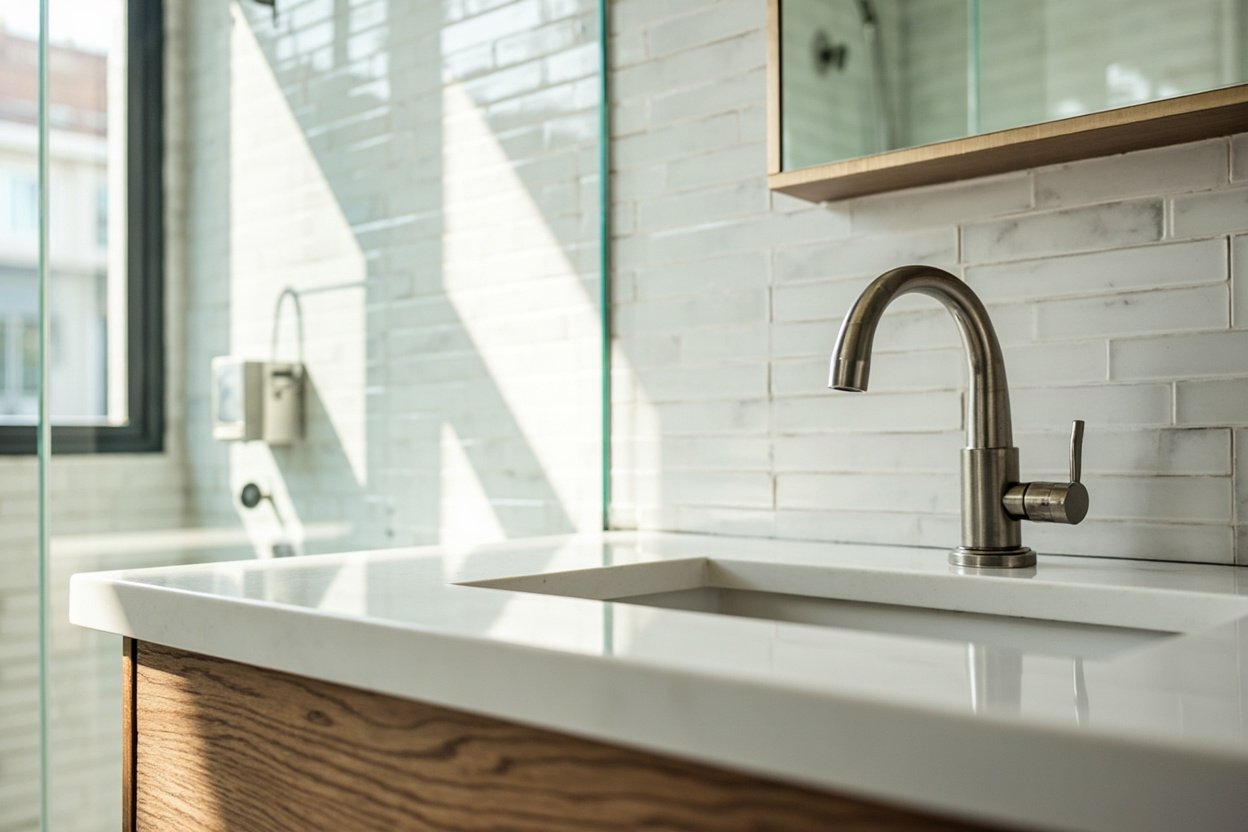
Why Tile Remains the Top Choice for Boston Bathrooms
Tile offers unmatched durability and water resistance, making it ideal for bathroom environments. In Boston’s climate, where humidity levels fluctuate seasonally, properly installed tile provides long-lasting protection against moisture damage. Modern tile options also allow for creative design expression, from classic subway layouts to contemporary large-format tiles that make small bathrooms feel more spacious.
Beyond aesthetics, tile adds value to your home. Real estate professionals consistently note that updated bathrooms with quality tile work attract more buyer interest and command higher sale prices across Middlesex County, Norfolk County, and the surrounding Greater Boston communities.
Common Challenges With Bathroom Tile Installation in Older Boston Homes
Boston’s housing stock presents unique challenges that experienced contractors understand. Many homes in neighborhoods like Brookline, Newton, and Somerville were built decades ago with non-standard layouts and subfloor conditions that require careful evaluation before tile installation begins.
Common issues include:
- Uneven subfloors that require leveling compounds or structural reinforcement before tile can be installed properly
- Outdated plumbing that may need relocation or updating to accommodate new tile layouts
- Limited bathroom dimensions that demand creative tile patterns to maximize visual space
- Ventilation concerns in sealed older construction where moisture can become trapped, leading to mold issues beneath improperly installed tile
A thorough assessment of your existing bathroom structure helps identify these challenges early, preventing costly surprises during your remodel.
Waterproofing: The Foundation of Successful Tile Installation
Proper waterproofing separates a bathroom tile job that lasts decades from one that fails within years. Boston’s seasonal temperature swings create condensation challenges that make quality waterproofing absolutely essential. Your tile installation must include appropriate membrane systems beneath the tile surface to protect underlying structures from moisture infiltration.
Key waterproofing considerations include:
- Installing cement backer board or equivalent moisture-resistant substrate
- Applying liquid waterproofing membrane in shower areas and around wet zones
- Sealing all seams, corners, and penetrations with appropriate tape and caulk
- Ensuring proper slope toward drains in shower installations
At Bath Design Boston, we treat waterproofing as non-negotiable for every bathroom tile project, whether it’s a full bathroom remodel or a focused tile upgrade.
Choosing the Right Tile for Your Boston Bathroom
Tile selection involves balancing aesthetics, functionality, and practical considerations for your specific bathroom. Smaller bathrooms in older Boston homes benefit from light-colored tiles and diagonal or offset patterns that create visual expansion. Larger bathrooms in homes throughout Middlesex County and Norfolk County offer more flexibility with darker tiles, larger formats, and more dramatic design choices.
Consider these factors when selecting tile:
- Porcelain versus ceramic: Porcelain offers superior water resistance and durability, making it ideal for shower enclosures and bathroom floors
- Slip resistance: Floor tiles should meet appropriate coefficient of friction ratings for wet areas
- Maintenance requirements: Smaller grout lines and matte finishes reduce cleaning frequency
- Grout color and type: Epoxy grout resists staining and moisture better than traditional cement grout in Boston bathroom applications
Planning Your Bathroom Tile Project
Successful tile installation requires proper planning that accounts for your bathroom’s specific conditions. During your initial consultation, we evaluate your existing space, discuss your design preferences, and develop a comprehensive plan that addresses structural, plumbing, and aesthetic considerations.
Planning considerations include determining whether you’re pursuing a complete bathroom remodel with walk-in showers and custom vanities, a tub-to-shower conversion to improve accessibility, or targeted tile upgrades in a powder room. Each project type has specific requirements that affect material selection, installation techniques, and timeline.
Budget planning should account for both visible materials and the supporting infrastructure that ensures long-term performance. Quality tile installation involves expenses beyond the tile itself, including substrate preparation, waterproofing materials, proper adhesives, and professional grouting and sealing.
Working With an Experienced Boston Bathroom Contractor
Tile installation demands skilled craftsmanship and attention to detail that only comes with experience. Working with a contractor familiar with Boston-area homes understands the specific challenges of local construction and can navigate permit requirements, building code compliance, and neighborhood considerations throughout your project.
Professional installation ensures your tile investment performs as expected for years of trouble-free use. Improperly installed tile leads to cracked tiles, failing grout, water damage, and potentially expensive remediation work that far exceeds any savings from cutting corners on installation quality.
Ready to plan? Visit our bathroom remodeling page for Free, no-obligation estimate
When planning your bathroom tile installation boston, focus on clear scope, proper waterproofing, and smart layout choices.