
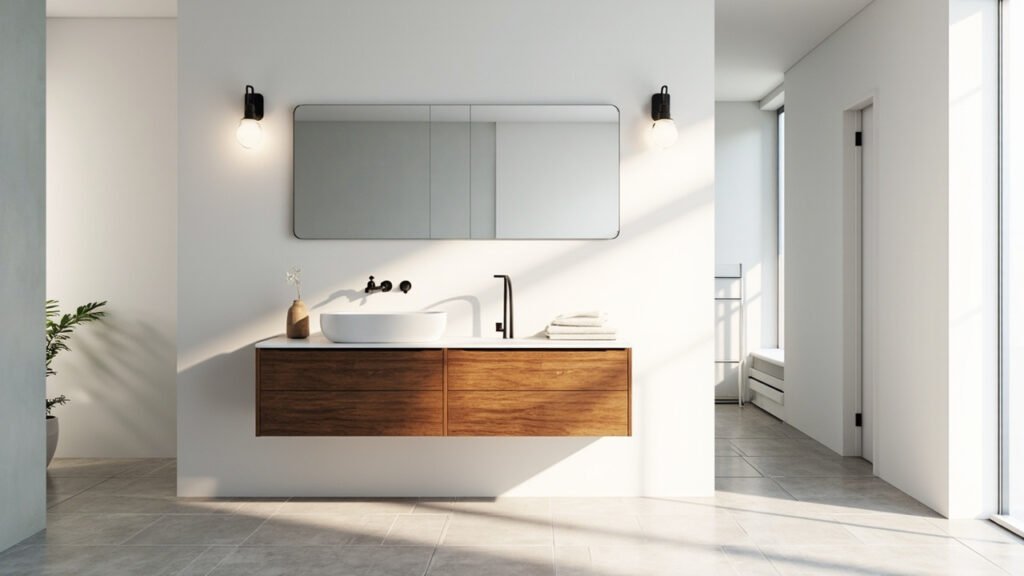
Choosing the right bathroom vanity installation in Boston requires more than selecting a stylish cabinet. Your vanity must function flawlessly in a space shaped by historic architecture, New England weather patterns, and specific building codes that affect homes across Greater Boston, Middlesex County, and Norfolk County. Understanding these factors helps you make informed decisions that protect your investment and ensure lasting performance.
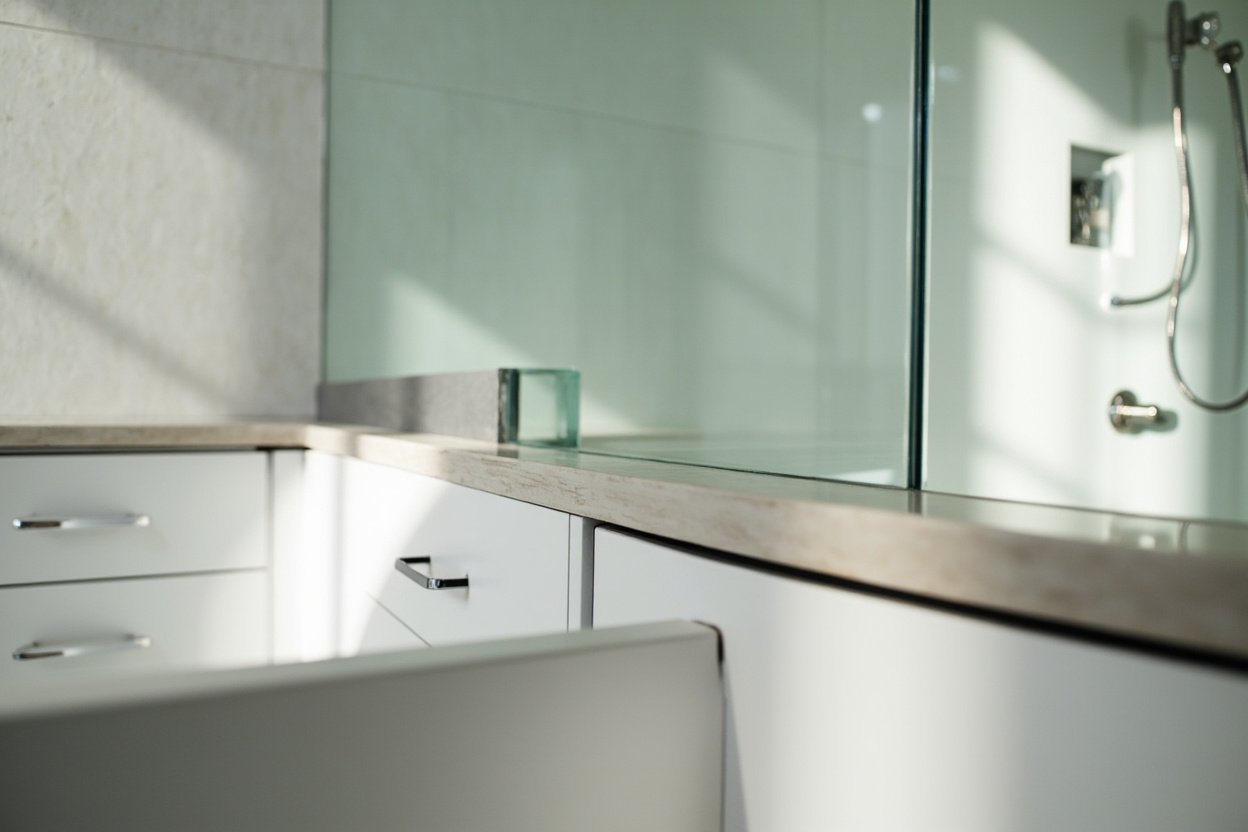
Why Boston Homes Demand Specialized Vanity Installation
Boston’s housing stock presents unique challenges that differ significantly from newer construction areas. Many homes in neighborhoods like Back Bay, Cambridge, and the surrounding suburbs feature plumbing configurations that date back decades, sometimes even generations. These older systems often mean dealing with non-standard layouts, cast iron pipes, and water pressure variations that require careful planning during any vanity project.
Additionally, New England winters bring humidity fluctuations that affect wood materials and adhesives differently than in milder climates. Professional installers understand how to account for these seasonal changes, selecting materials and installation techniques that withstand our specific weather patterns without compromising structural integrity or appearance.
Key Considerations Before Your Vanity Installation
Successful vanity installation begins long before demolition starts. Several factors determine whether your new vanity will perform optimally in your Boston bathroom.
Space Assessment and Layout Constraints
Boston bathrooms frequently present spatial challenges that require creative solutions. Victorian-era homes often feature smaller powder rooms and irregular wall dimensions that don’t accommodate standard vanity sizes. Measuring your space accurately helps determine whether you need a custom-built vanity or if a semi-custom option can work within your constraints.
Consider traffic flow patterns when positioning your vanity. In shared bathrooms, placing the vanity away from the door swing prevents congestion during busy morning routines. Your installer should evaluate sight lines and ensure cabinet doors can open completely without interference.
Plumbing Considerations for Boston Properties
Older homes in Middlesex County and Norfolk County frequently have drain lines and water supply pipes positioned differently than modern building standards suggest. Relocating plumbing adds substantial cost to any remodel, so working with your existing configuration often makes more financial sense. A qualified installer can advise whether your current plumbing layout accommodates your preferred vanity placement or if modifications are necessary.
Ventilation Requirements
Proper ventilation protects your vanity investment and prevents moisture damage that plagues many Boston bathrooms. Exhaust fans should vent moisture outside your home, not into attics or adjacent spaces. During installation, verify that your existing ventilation system functions adequately or plan for upgrades if needed. This becomes especially important in bathrooms without windows, common in many historic Boston properties.
Waterproofing: Non-Negotiable Protection for Your Investment
Boston’s climate means your bathroom faces constant exposure to moisture. Proper waterproofing around and beneath your vanity prevents the water damage that leads to mold growth, wood rot, and costly repairs. Professional installation includes sealing edges where vanity meets walls and floors, using moisture-resistant backing materials, and ensuring all plumbing connections remain watertight.
Beyond the vanity itself, consider how cabinet materials respond to humidity. Solid wood vanities expand and contract with seasonal moisture changes, while engineered materials offer more stability in variable conditions. Your installer should explain these material differences and recommend options suited to your specific bathroom environment.
Selecting the Right Vanity Style for Your Boston Home
Your vanity should complement your home’s architectural character while meeting practical needs. Several styles work particularly well in Boston properties.
- Traditional raised panel vanities suit colonial and Victorian homes common throughout Greater Boston, offering classic lines that enhance period-appropriate bathrooms
- Shaker-style vanities provide clean aesthetics compatible with both historic and contemporary properties, making them versatile choices for renovation projects
- Modern floating vanities work well in smaller bathrooms where maximizing floor space matters, particularly effective in urban apartments and condominiums
- Custom-built vanities address unique challenges like angled walls, window placements, and non-standard dimensions found in many older structures
Beyond aesthetics, evaluate your storage requirements honestly. Family bathrooms benefit from deep drawers and multiple cabinets, while powder rooms might prioritize visual impact over storage capacity. Consider what items you need to access daily versus items stored less frequently when planning drawer and cabinet configurations.
The Installation Process: What Professional Service Includes
Quality vanity installation involves multiple steps that ensure lasting results. Initial assessment examines your existing plumbing, electrical locations, and wall conditions. Preparation includes protecting adjacent surfaces and ensuring all materials are acclimated to your home’s humidity levels before installation begins.
Professional installers secure vanity cabinets level and plumb, address any wall irregularities, connect plumbing components with proper seals, and apply finish trim that creates clean transitions between vanity and walls. The process concludes with testing all connections under pressure and verifying proper operation of any included features like soft-close drawers or integrated lighting.
Why Professional Installation Matters for Boston Properties
While DIY vanity installation might seem straightforward, Boston’s specific challenges often create complications that require expert handling. Professional installers understand local building codes affecting vanity clearances, electrical requirements for bathroom outlets, and structural considerations for wall-mounted units in various construction types.
Working with experienced contractors also provides recourse if issues arise after installation. Reputable companies stand behind their craftsmanship and can address any problems that develop, protecting your investment and providing peace of mind that DIY approaches cannot match.
Ready to plan? Visit our bathroom remodeling page for Free, no-obligation estimate
When planning your bathroom vanity installation boston, focus on clear scope, proper waterproofing, and smart layout choices.