

When it comes to bathroom remodeling in Greater Boston, vanity installation is one of the most impactful upgrades a homeowner can make. A well-chosen and properly installed bathroom vanity not only enhances the functionality of your space but also significantly improves the overall aesthetic of your bathroom. For homeowners in Boston, Cambridge, Somerville, Brookline, and throughout Middlesex County and Norfolk County, understanding the ins and outs of vanity installation is essential to achieving a successful bathroom remodel.
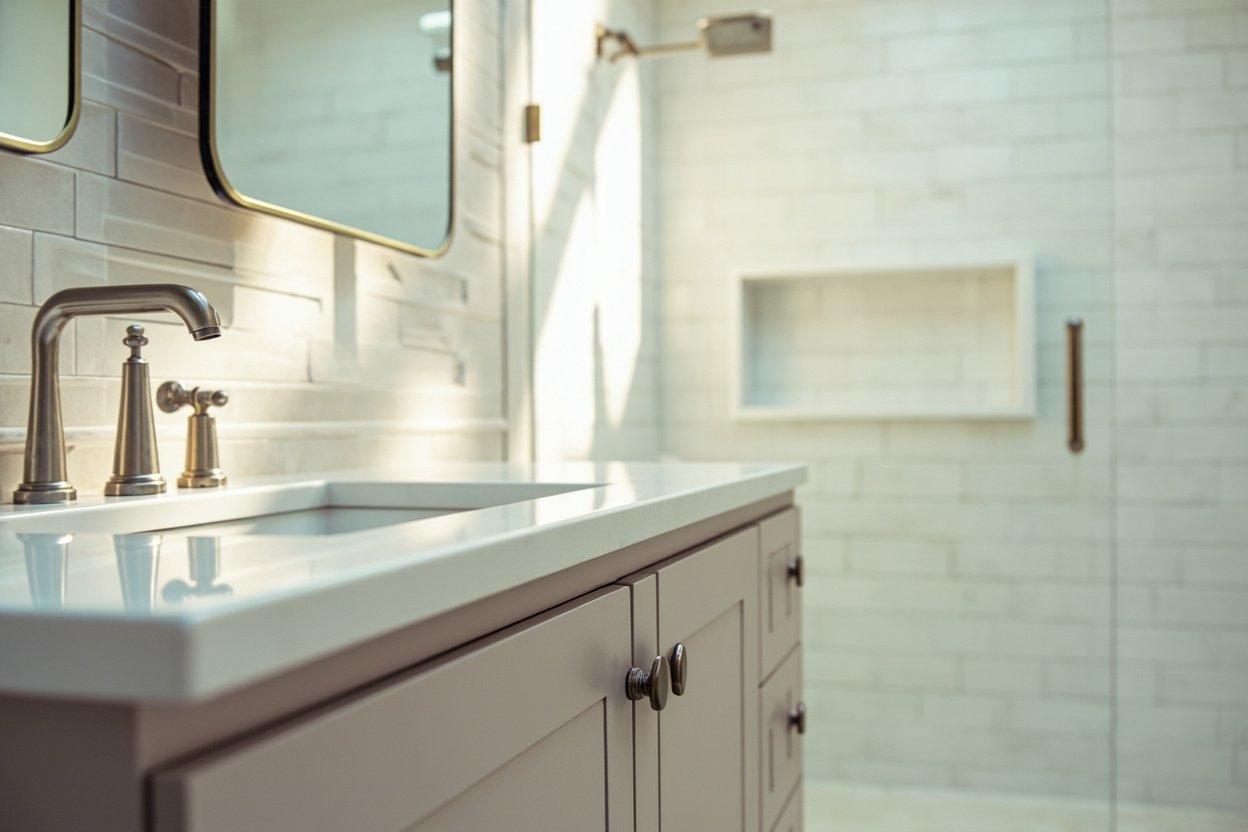
Why Bathroom Vanities Matter in Boston Homes
Boston’s housing stock is some of the oldest in America, with countless homes built in the Victorian, Colonial, and Craftsman styles. Neighborhoods like Beacon Hill, Back Bay, South End, and Newton feature properties with unique character that require special consideration during bathroom remodeling. Unlike newer construction, these historic homes often have non-standard bathroom dimensions, sloped ceilings, and plumbing configurations that demand careful planning when installing a new vanity. A professional vanity installation ensures your fixture fits properly while respecting the architectural integrity of your home.
Measuring Your Space: The First Critical Step
Before selecting a bathroom vanity, accurate measurements are essential. We carefully measure the width of the wall where the vanity will sit, the height from floor to any windows or fixtures above, and the depth available accounting for door swing and traffic flow. Standard vanities typically range from 24 to 72 inches wide, but Boston’s older homes often require custom solutions to fit non-standard openings. We also check the placement of existing plumbing lines—supply lines and drainpipes determine whether a single-sink or double-sink configuration works best for your space.
- Measure wall width at vanity location
- Account for door swing clearance
- Check existing plumbing positions
- Consider traffic flow patterns
Choosing the Right Vanity for Your Boston Bathroom
Selecting a vanity involves balancing style with practical considerations for our local climate and housing conditions. Solid wood vanities perform well in Boston’s variable humidity levels, though they require proper sealing to prevent warping. Painted finishes tend to hold up better in modern renovations, while natural wood grains complement period homes more traditionally. When it comes to countertops, quartz and granite are excellent choices that resist moisture and temperature fluctuations common in New England. We also recommend considering storage needs—a vanity with adequate drawer and cabinet space keeps your bathroom organized and clutter-free.
The Installation Process: What to Expect
Professional vanity installation requires attention to detail at every stage. The process typically begins with removing the existing vanity and preparing the space, including any necessary wall repairs. Next, we ensure the walls are level and the framing is solid enough to support the new fixture. The vanity is then positioned, leveled, and secured to wall studs using appropriate fasteners. Plumbing connections are made carefully, with proper fittings and sealants to prevent leaks. Finally, we test all connections and make any necessary adjustments to ensure everything functions perfectly. This thorough approach guarantees your vanity will remain secure and leak-free for years to come.
Ventilation and Waterproofing in Boston Bathrooms
Proper ventilation is crucial for maintaining your bathroom vanity in Boston’s humid climate. Without adequate airflow, moisture can damage cabinetry, promote mold growth, and compromise paint and finishes. We recommend installing or upgrading exhaust fans to properly vent bathrooms, especially those without windows. Waterproofing is equally important during vanity installation—sealing edges and ensuring proper caulking around sinks and plumbing prevents water damage to the wall cavity and subfloor. This is particularly critical in older Boston homes where existing structures may have already endured decades of wear.
Why Professional Installation Matters
While DIY vanity installation might seem straightforward, professional installation provides long-term value and peace of mind. Experienced installers understand how to navigate Boston’s older plumbing systems, which often feature galvanized pipes or unique configurations not found in newer construction. Proper installation prevents costly water damage, ensures code compliance, and guarantees that your vanity is level and secure. At Bath Design Boston, we bring years of experience to vanity installations throughout Greater Boston, including the specific challenges posed by historic homes in Middlesex County and Norfolk County. Our team handles everything from initial measurements to final plumbing connections, so you can trust your bathroom remodel is in capable hands.
Ready to plan? Visit our bathroom remodeling page for Free, no-obligation estimate
When planning your bathroom vanity installation boston, focus on clear scope, proper waterproofing, and smart layout choices.