
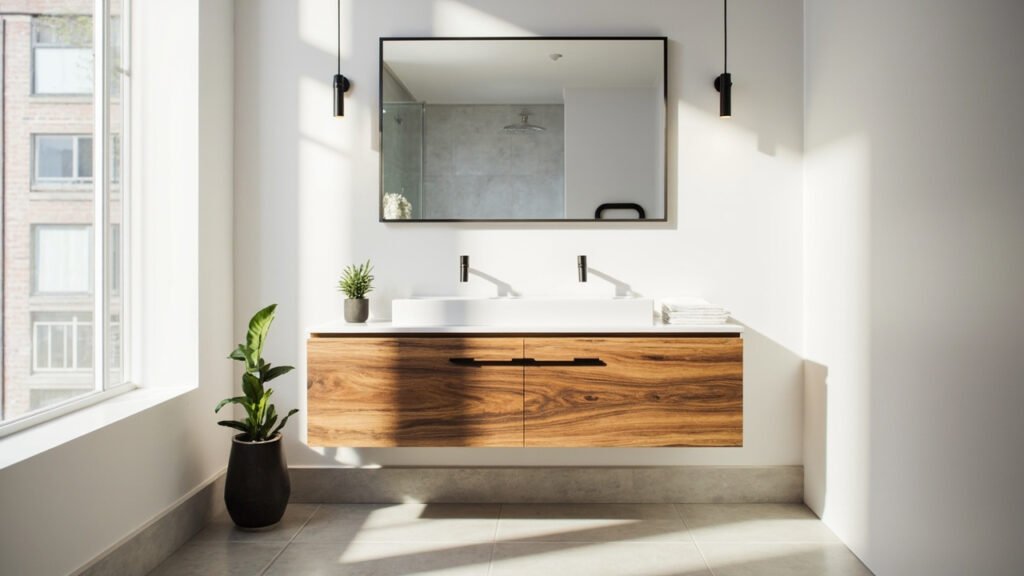
When it comes to upgrading your bathroom, a new vanity does more than provide storage—it becomes the focal point of the entire room. For homeowners in Boston and throughout Greater Boston, Middlesex County, and Norfolk County, professional bathroom vanity installation requires careful consideration of local building characteristics and climate challenges. Understanding what goes into a proper installation helps you make informed decisions about your bathroom remodel.
Why Professional Vanity Installation Matters in Boston
Boston-area homes present unique challenges that go beyond standard bathroom installations. Many properties in the region were built in the early 20th century or even earlier, meaning plumbing systems, wall structures, and subfloors often deviate from modern building codes. A professional installer understands how to work with existing infrastructure while ensuring your new vanity meets current standards for safety and durability.
Improper installation leads to problems that cost far more to fix than the original installation would have. Water damage from poorly sealed units, structural issues from inadequate wall support, and plumbing leaks from incorrect connections are common when vanity installation is handled without proper expertise. For homeowners investing in their bathrooms, working with experienced professionals protects that investment for years to come.
Understanding Boston’s Older Home Challenges
The character of Boston-area homes often includes features that require special attention during vanity installation. Plaster walls, uneven floors, and non-standard plumbing layouts are frequently encountered in homes throughout Greater Boston. These characteristics demand flexibility and expertise that generic contractors may lack.
When installing vanities in older homes, professionals must account for several factors:
- Wall reinforcement to support the weight of heavy stone or solid wood vanities
- Floor leveling to prevent gaps and ensure proper door alignment
- Plumbing adjustments to accommodate modern fixture connections
- Electrical considerations for outlets and lighting integrated into vanity designs
- Ventilation improvements to manage moisture in older, less insulated structures
These challenges are manageable with the right approach, but they require assessment and planning before installation begins.
Choosing the Right Vanity for Your Boston Bathroom
Boston bathrooms come in all sizes, from compact powder rooms in Beacon Hill townhouses to spacious master baths in Norfolk County homes. Selecting the right vanity involves balancing aesthetic preferences with practical constraints unique to your space.
For smaller Boston bathrooms, wall-mounted vanities create the illusion of more floor space and make cleaning easier. Corner units maximize available square footage in tight layouts. Single-sink vanities work well in powder rooms and guest baths where multiple users simultaneously is uncommon.
Larger bathrooms benefit from double-sink vanities that provide convenience for families. Custom tile work around vanities allows homeowners to match existing bathroom features while adding personal style. Walk-in showers and tub-to-shower conversions often pair with vanity upgrades to create cohesive bathroom designs that maximize both function and visual appeal.
Material selection matters significantly in the Boston climate. Humidity levels fluctuate throughout the year, with muggy summers and dry winters affecting wood and composite materials differently. Solid wood vanities with proper sealing perform well when manufactured for bathroom conditions. MDF and engineered wood options offer durability at lower price points when properly constructed for moisture resistance.
The Installation Process: What to Expect
Professional bathroom vanity installation in the Boston area follows a structured process designed to minimize disruption while ensuring lasting results. Understanding each phase helps homeowners prepare for their remodel.
Initial consultation involves assessing the existing space, discussing options, and taking measurements. This phase identifies potential obstacles such as hidden water damage, outdated wiring, or structural issues that must be addressed before installation proceeds. For homes in older neighborhoods, this assessment frequently reveals conditions invisible behind walls or under existing flooring.
Preparation includes removing the old vanity, repairing any water damage discovered during removal, and addressing plumbing or electrical updates needed to support the new fixture. This phase may involve coordinating with other tradespeople for tasks outside the vanity installation itself, such as tile work or electrical upgrades.
The actual installation involves securing the vanity to wall studs, connecting plumbing, sealing all edges against moisture intrusion, and ensuring level positioning. Custom tile installations around the vanity require coordination between the vanity installer and tilers to ensure clean transitions between surfaces.
Boston-Specific Considerations: Ventilation and Waterproofing
Proper ventilation ranks among the most critical considerations for bathroom vanities in Greater Boston. The region’s climate brings significant humidity swings throughout the year. Without adequate ventilation, moisture damages cabinetry, promotes mold growth, and compromises indoor air quality.
Exhaust fans should vent moisture directly outside, not into attics or other interior spaces. Older homes often have inadequate or improperly installed ventilation systems that require upgrading during vanity installation. Professionals assess existing ventilation and recommend improvements when necessary to protect your investment.
Waterproofing around vanities prevents the slow leakage that causes extensive damage before becoming visible. Caulking at all joints, proper sealing where countertops meet walls, and careful attention to plumbing connections all contribute to a watertight installation. In older homes with plaster or lath-and-plaster walls, additional preparation may be needed to create appropriate surfaces for waterproofing materials.
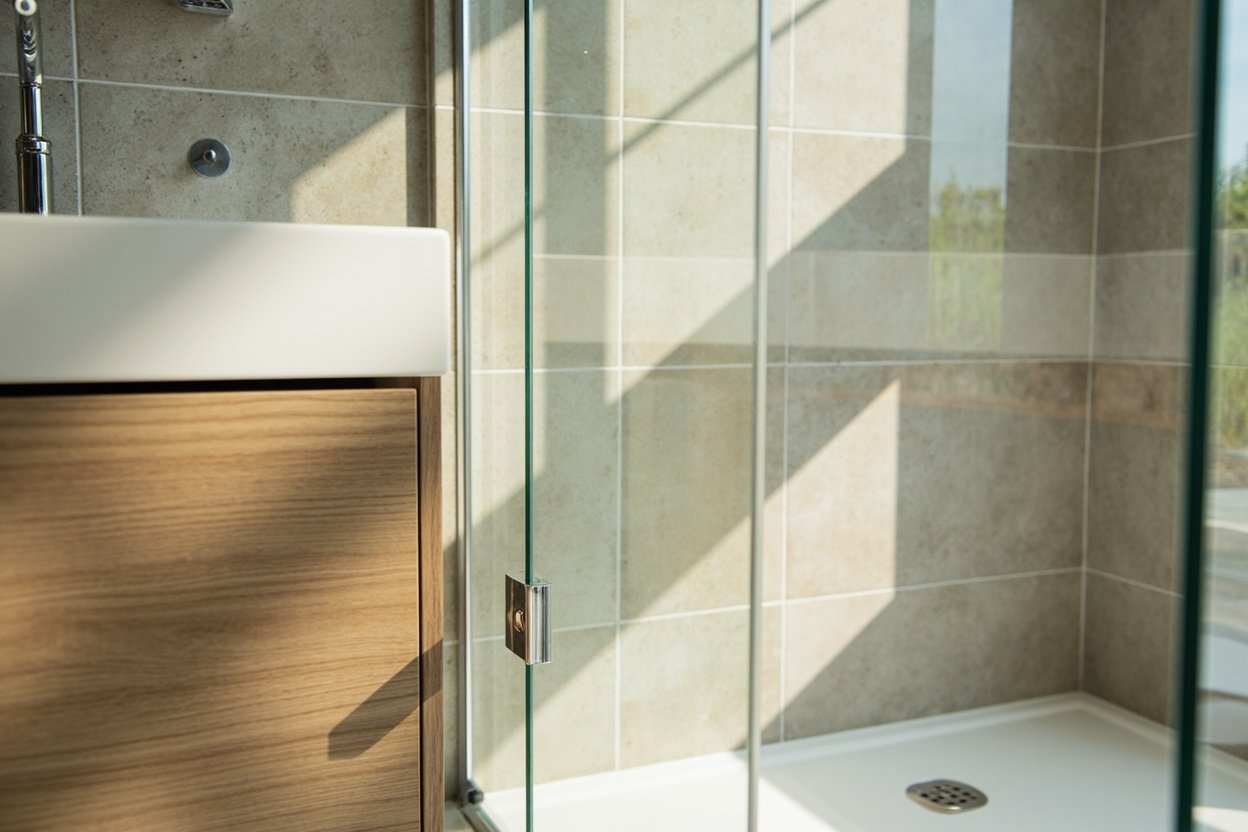
The transition between vanity and surrounding tilework requires particular attention. Custom tile installations offer opportunities to create seamless waterproof barriers that look beautiful while providing long-term protection against moisture intrusion.
Planning Your Boston Bathroom Vanity Project
Whether you are undertaking a complete bathroom remodel or simply upgrading your vanity, careful planning ensures successful results. Consider how your vanity will function within the broader context of your bathroom layout. Think about storage needs, lighting requirements, and how the vanity coordinates with other features like walk-in showers or tub-to-shower conversions.
Budget considerations should account for both the vanity itself and the professional installation required to ensure proper fit and function. Cutting corners on installation to save money typically results in costly repairs down the road. Professional bathroom remodeling contractors provide detailed quotes that reflect the true scope of work needed for lasting results.
Ready to plan? Visit our bathroom remodeling page for Free, no-obligation estimate
Investing in professional vanity installation protects your home while transforming your bathroom into a space that serves your family’s needs for decades. Boston-area homeowners deserve results that combine quality craftsmanship with attention to the unique challenges our region’s housing stock presents.
When planning your bathroom vanity installation boston, focus on clear scope, proper waterproofing, and smart layout choices.