
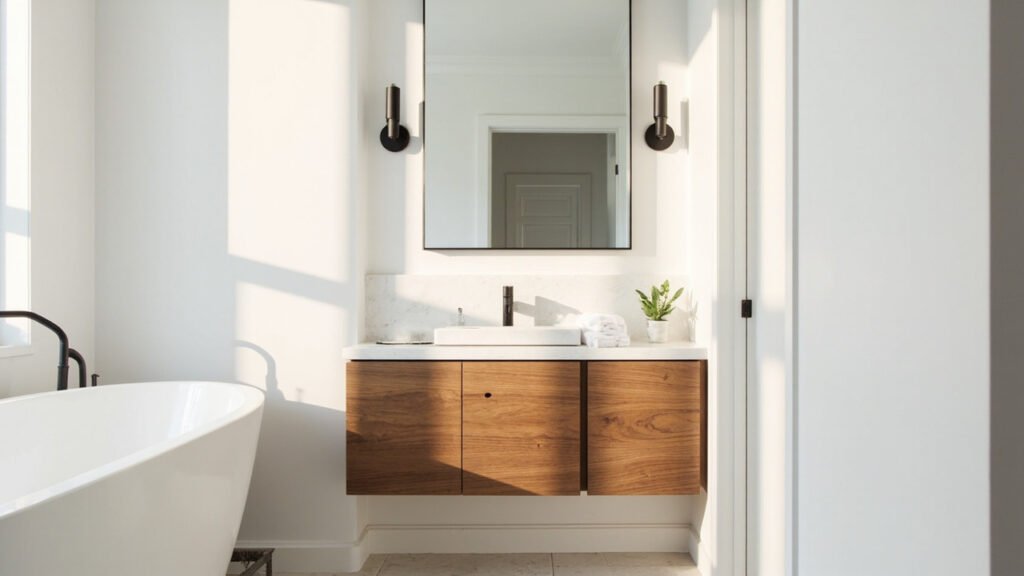
When considering a powder room remodel in Boston, homeowners often underestimate the potential of these compact spaces. A half bath, typically consisting of just a toilet and sink, offers significant opportunities for aesthetic transformation and functional improvement. Bath Design Boston has helped countless homeowners across Greater Boston, Middlesex County, and Norfolk County maximize their powder room potential while respecting the unique characteristics of New England homes.
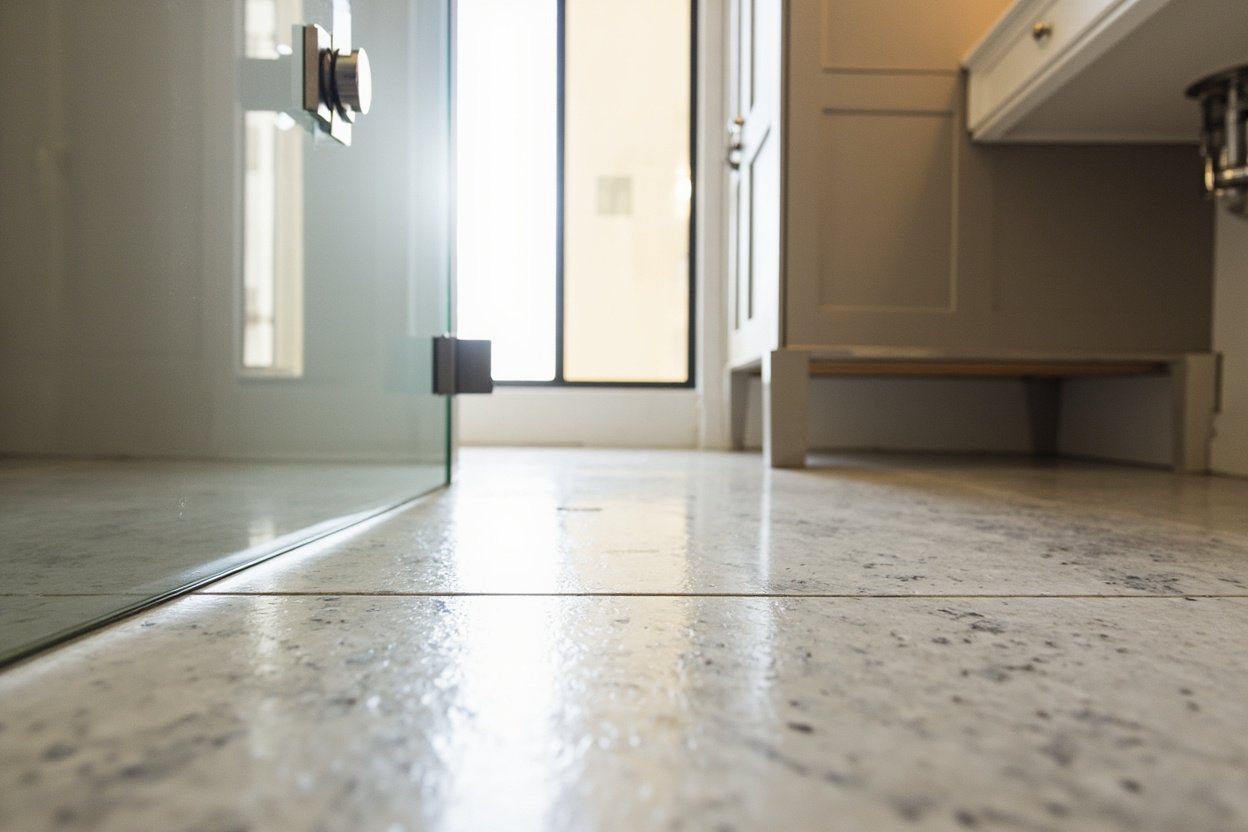
Understanding Boston’s Powder Room Challenges
Boston’s historic housing stock presents distinctive considerations for any powder room renovation. Many homes in areas like Brookline, Newton, Cambridge, and Somerville were built in the late 19th or early 20th century, meaning powder rooms often occupy awkward spaces with non-standard layouts, limited ventilation, and aging infrastructure. Understanding these constraints is essential for creating a successful renovation that both looks beautiful and functions properly for years to come.
Maximizing Space in Your Powder Room Remodel
Limited square footage is perhaps the greatest challenge in powder room design. Thoughtful planning and smart product selection can transform even the smallest spaces. Consider these approaches for making your powder room feel more expansive:
- Install a wall-mounted vanity to create the illusion of more floor space while maintaining essential storage
- Choose pedestal sinks for a clean, open aesthetic that makes compact rooms feel larger
- Select floating vanities with drawers for functionality without overwhelming the space
- Use large-format tiles on floors and walls to minimize grout lines and create a cleaner visual appearance
- Extend mirrors to or near the ceiling to dramatically increase perceived room size
Vertical space often goes underutilized in powder rooms. Tall, narrow cabinets or shelving units can provide necessary storage without consuming precious floor area. Custom built-in solutions designed specifically for your space can eliminate wasted corners and awkward gaps common in Boston’s older homes.
Ventilation Considerations for Boston Homes
Proper ventilation is critical in any bathroom, but especially in powder rooms where moisture from hand washing can accumulate over time. Older Boston homes frequently have inadequate ventilation systems, which can lead to moisture damage, mold growth, and deterioration of finishes. Modern exhaust fans are designed to operate quietly while effectively removing humid air from the space.
When planning your powder room remodel, assess the current ventilation situation. If no exhaust fan exists, installation should be a priority. Even when natural ventilation through windows is available, supplemental mechanical ventilation ensures consistent moisture control throughout the year, particularly during Boston’s humid summers and cold winters when windows may remain closed for extended periods.
Waterproofing: Protecting Your Investment
Waterproofing is perhaps the most important technical aspect of any bathroom renovation, yet it’s frequently overlooked by homeowners focused on aesthetics. In Boston’s older homes, where plumbing may be aging and building materials may have absorbed decades of moisture, proper waterproofing becomes even more critical.
Professional contractors understand that waterproofing begins before any tile is installed. This includes proper membrane application, careful attention to corners and seams, and ensuring all penetrations through walls and floors are properly sealed. The investment in quality waterproofing protects your home from costly water damage repairs and ensures your beautiful new powder room maintains its appearance for years to come.
Design Styles for Boston Powder Rooms
Boston homeowners typically gravitate toward design styles that complement the character of their homes while meeting modern functional needs. Transitional design—blending traditional and contemporary elements—works particularly well in historic homes, allowing you to honor the home’s original character while incorporating modern conveniences and finishes.
For a classic Boston aesthetic, consider subway tile paired with brushed nickel fixtures and a timeless white or cream palette. If you prefer something more contemporary, bold geometric tiles, matte black hardware, and statement lighting can create a striking visual impact in a small space. Custom tile work remains popular among Boston homeowners, allowing for unique designs that reflect individual style while adding value to the home.
Working Within Layout Constraints
Many Boston powder rooms occupy spaces that were additions or conversions rather than original bathroom designs. This often means working with unusual dimensions, limited clearances around fixtures, and plumbing locations that cannot be easily moved. A skilled contractor can often find creative solutions that accommodate these constraints while achieving your desired aesthetic.
Sometimes, a powder room remodel presents an opportunity to improve the overall layout of a home. Moving walls, adjusting door placements, or reconfiguring adjacent spaces can dramatically improve the functionality of your powder room and surrounding areas. These decisions require careful consideration of your home’s structure and should always be discussed with an experienced professional who understands load-bearing requirements and local building codes.
The Powder Room Remodeling Process
Understanding what to expect during your powder room remodel helps ensure a smooth project from start to finish. The process typically begins with an initial consultation where your contractor assesses the space, discusses your goals and budget, and identifies any challenges that must be addressed.
Following the consultation, detailed plans are developed including layout options, material selections, and specifications for any structural or plumbing work. Once plans are finalized, the remodeling process generally follows these phases: demolition of existing finishes and fixtures, structural modifications if needed, rough plumbing and electrical work, installation of waterproofing and tile backer, tile and flooring installation, fixture installation, and final touches and cleanup.
Throughout each phase, communication with your contractor ensures the project stays aligned with your vision. Reputable contractors serving Greater Boston provide clear expectations, keep work areas clean and safe, and address any concerns promptly.
Why Choose a Local Boston Contractor
Selecting a contractor familiar with Boston’s housing stock offers significant advantages. Local contractors understand the specific challenges of working with historic homes, including older wiring, potential lead paint considerations, and building codes specific to Massachusetts communities. They have established relationships with local suppliers and understand which products perform best in New England conditions.
A contractor serving Middlesex County, Norfolk County, and the Greater Boston area brings regional knowledge that larger, national companies simply cannot match. This local expertise translates to better problem-solving, more accurate project estimates, and smoother coordination with local building departments.
Ready to plan? Visit our bathroom remodeling page for Free, no-obligation estimate
When planning your powder room remodel boston, focus on clear scope, proper waterproofing, and smart layout choices.