
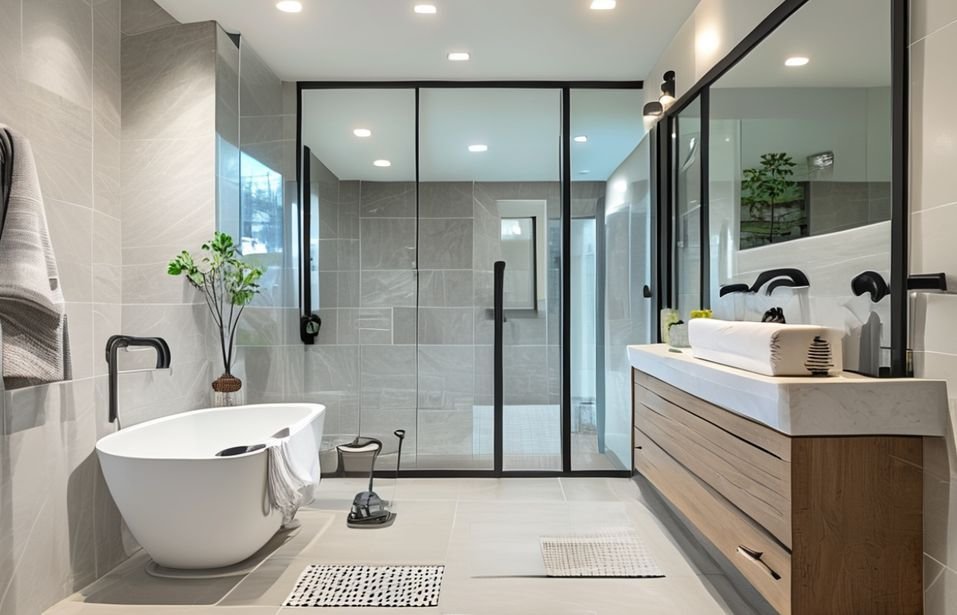
Is a Tub to Shower Conversion Right for Your Boston Home?
Many homeowners in Greater Boston, Middlesex County, and Norfolk County are considering a tub to shower conversion. The decision to remove a bathtub and replace it with a shower is a significant one that can impact your daily life and the long-term value of your home. Whether you’re located in Boston, Brookline, Newton, Needham, Wellesley, Westwood, Weston, Lexington, Natick, Wayland, Bedford, Burlington, Quincy, Milton, Canton, or Norwood, understanding the benefits and considerations will help you make the right choice.
Quick note: If you’re researching tub to shower conversion boston, this guide explains the design choices, planning steps, and common pitfalls Boston homeowners should know before starting.
One of the primary reasons people opt for a tub to shower conversion is improved accessibility. Stepping over a high tub wall can become challenging as we age or experience mobility issues. A walk-in shower eliminates this barrier, making bathing safer and more comfortable. In older Boston homes, where bathrooms are often smaller, a tub to shower conversion can also create a more open and spacious feel.
Benefits of Converting Your Tub to a Shower
There are several key benefits to consider when thinking about a tub to shower conversion boston project:
- Improved Accessibility: As mentioned above, a walk-in shower offers a safer and more accessible bathing experience for people of all ages and abilities.
- Increased Space: Removing a bulky tub can free up valuable floor space, especially in smaller bathrooms common in Boston’s older housing stock.
- Modern Aesthetics: A new shower can dramatically update the look of your bathroom, adding a touch of modern style and sophistication.
- Easier Cleaning: Showers generally require less cleaning than bathtubs, saving you time and effort.
- Increased Home Value: A well-designed and executed tub to shower conversion can increase the value of your home, although this depends heavily on the overall design and quality of the installation. Consider the needs of future buyers; families with young children might prefer a bathtub in at least one bathroom.
Key Considerations Before You Begin
Before diving into a tub to shower conversion boston, there are several important factors to keep in mind. Bath Design Boston serves Greater Boston, Middlesex County, and Norfolk County, and we’ve seen many successful conversions. Here’s what to consider:
Bathroom Size and Layout
Assess your current bathroom layout. Is there enough space for the shower you envision? In Boston, many homes have smaller bathrooms. Consider the placement of the showerhead, controls, and any additional features like benches or shelving. A professional design consultation can help you maximize space and create a functional and aesthetically pleasing design.
Plumbing and Ventilation
Plumbing modifications may be necessary to accommodate the new shower. Ensure your existing plumbing is in good condition and can handle the increased water flow. Proper ventilation is crucial to prevent moisture buildup and mold growth, especially in older homes. Check that your existing exhaust fan is adequate, or consider upgrading to a more powerful model. Boston building codes may have specific requirements for bathroom ventilation.
Tile and Materials
Selecting the right tile and materials is essential for both aesthetics and durability. Consider using non-slip tile for the shower floor to enhance safety. Choose materials that are resistant to water damage and easy to clean. We offer custom tile work, including showers, floors, accent walls, and niches to match your personal style.
Permitting and Regulations
Depending on the scope of the project, you may need to obtain permits from your local city or town. This is particularly important in Boston and surrounding areas, where building codes can be strict. Research the permitting requirements in your area and ensure that your contractor is familiar with local regulations. Condo buildings may also have their own rules and regulations regarding bathroom renovations.
The Tub to Shower Conversion Process in Boston
A typical tub to shower conversion boston project involves several stages:
- Design Consultation: This is where you meet with a designer to discuss your needs, preferences, and budget. The designer will create a detailed plan for your new shower, including layout, materials, and features.
- Demolition: The existing bathtub and surrounding tile are carefully removed.
- Plumbing and Electrical: Any necessary plumbing and electrical modifications are made.
- Framing and Waterproofing: The shower enclosure is framed, and a waterproof membrane is installed to prevent water damage.
- Tiling and Fixture Installation: Tile is installed on the walls and floor of the shower, and fixtures such as the showerhead, faucet, and drain are installed.
- Finishing Touches: Glass doors or enclosures are installed, and any remaining details are completed.
Working with experienced professionals like Bath Design Boston can streamline this process and ensure that your project is completed efficiently and to the highest standards. We offer full bathroom remodels, walk-in showers, tub-to-shower conversions, half bath (powder room) remodels, custom tile work (showers, floors, accent walls, niches), and vanity & storage upgrades throughout Greater Boston, Middlesex County, and Norfolk County.
FAQ
Will a tub to shower conversion decrease my home’s value?
Potentially, yes. While a well-designed shower can enhance your home’s appeal, removing all bathtubs might deter families with young children. Consider the demographics of your neighborhood and the preferences of potential buyers before making the decision. Maintaining at least one bathtub in the house is often recommended for resale value.
How long does a tub to shower conversion typically take?
The duration of a tub to shower conversion varies depending on the complexity of the project. A simple conversion can be completed in a few days, while more complex projects that involve significant plumbing or structural changes may take longer. Coordinate with your contractor to establish a realistic timeline for your specific project.
What are some common challenges in tub to shower conversions in Boston homes?
Older Boston homes often present unique challenges, such as limited space, outdated plumbing, and uneven floors. Working with a contractor familiar with these challenges is essential to ensure a successful conversion. Ventilation issues and coordinating with condo associations can also add complexity.
What type of shower door is best for a small bathroom?
Sliding shower doors or frameless glass doors are often the best choice for small bathrooms, as they maximize space and create a more open feel. Pivot doors can also work but require enough clearance to swing open without hitting other fixtures. Speak with your contractor about options that best suit your specific bathroom layout.
Ready to plan your project? Visit https://bathdesignboston.com/tub-to-shower.html for a Free, no-obligation estimate.
Related Bathroom Remodeling Services
If you’re planning a project in Greater Boston, here are a few helpful service pages: