
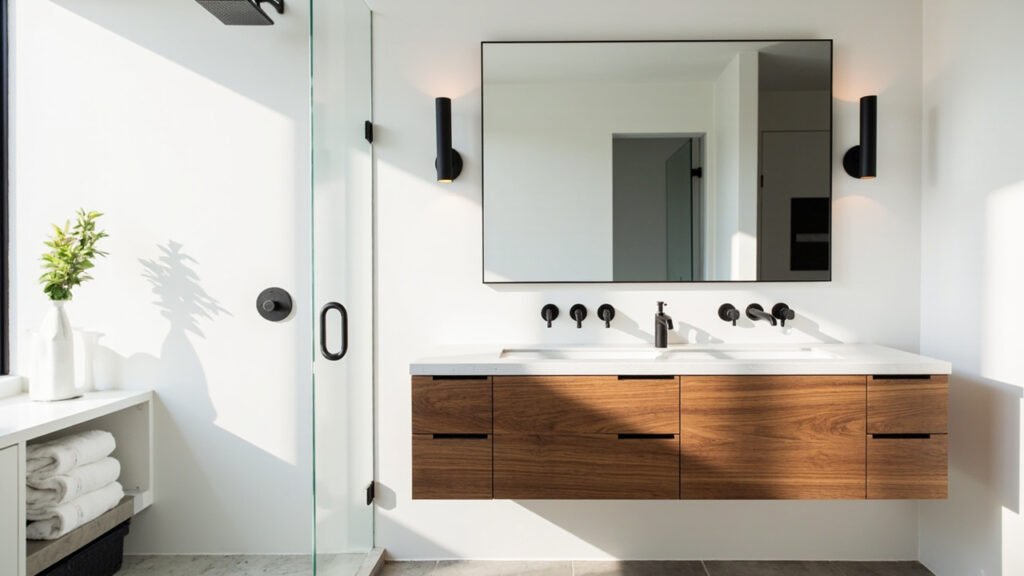
Boston’s historic housing stock—from Back Bay brownstones to Wellesley colonials—presents unique challenges when it comes to bathroom remodeling. A tub-to-shower conversion is one of the most requested upgrades across Middlesex County and Norfolk County, and for good reason. Whether you’re adapting for mobility, updating an outdated bathroom, or increasing your home’s appeal, converting a tub to a walk-in shower is a smart investment. Here’s what homeowners in Greater Boston need to know before getting started.
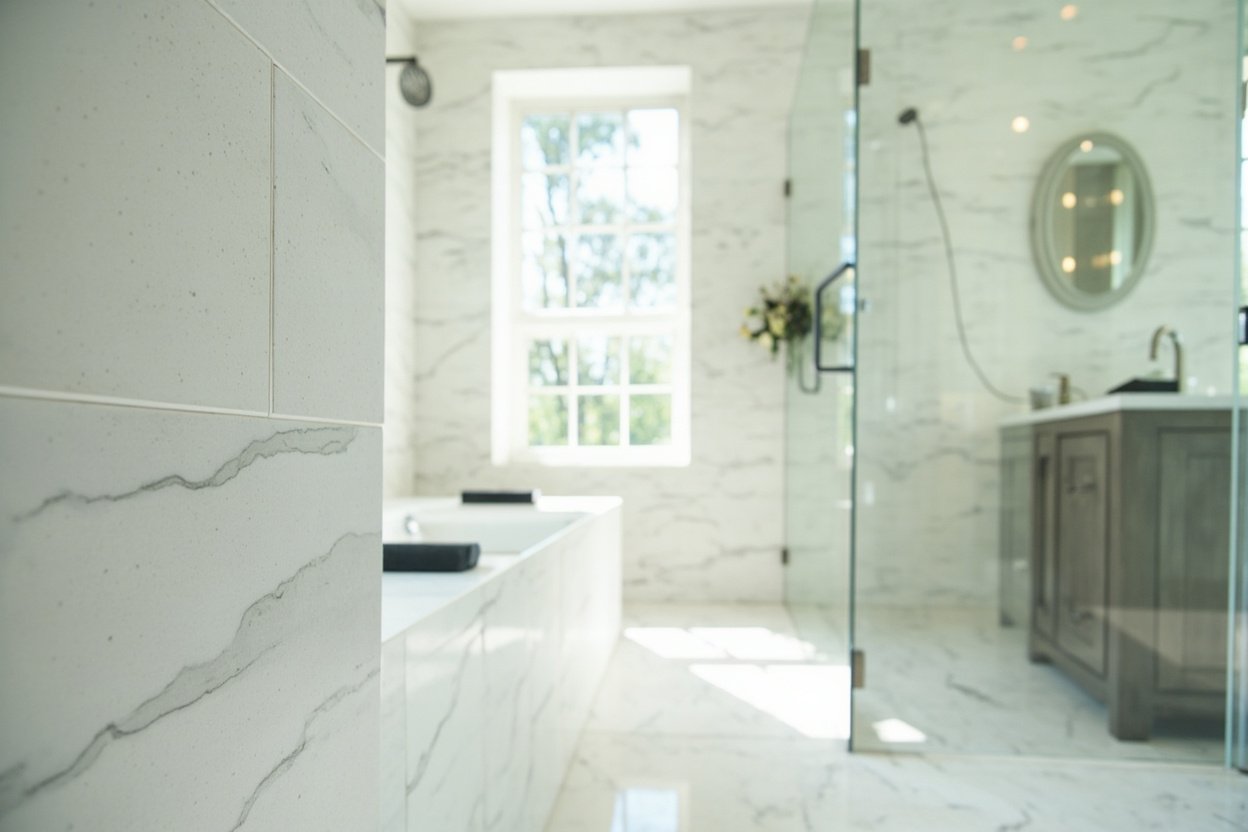
Why Boston Homeowners Are Making the Switch
There are several compelling reasons homeowners in the Greater Boston area are choosing tub-to-shower conversions. Accessibility is a top driver, especially for families with seniors or anyone dealing with mobility concerns. Stepping over a high bathtub wall increases fall risk significantly, and a curbless walk-in shower addresses that concern directly. Others simply want a more modern look—frameless glass enclosures, custom tile work, and contemporary fixtures can transform a dated bathroom into a spa-like space. There’s also a practical angle: a well-designed walk-in shower appeals to today’s buyers, making it a valuable upgrade if you plan to sell your home in the future. Finally, many Boston bathrooms are on the smaller side, and a walk-in shower configuration often makes better use of limited square footage.
Common Challenges in Boston’s Older Homes
One of the first things our team considers when planning a tub-to-shower conversion in Greater Boston is the age and structure of your home. Older homes often present complications that go beyond simple plumbing. Plumbing constraints are common—in some vintage homes, existing drain lines and supply lines don’t align conveniently with modern shower configurations, which may require rerouting. Ventilation is another critical factor. Boston’s climate means bathrooms can retain moisture quickly, and without adequate airflow, mold and mildew become real concerns. We always evaluate ventilation needs as part of the conversion process. Layout limitations also come into play. Historic homes frequently have non-standard bathroom dimensions, low ceilings, or awkwardly placed fixtures that require creative design solutions. Finally, waterproofing is essential in any tub-to-shower conversion, but it’s especially important in attached brownstones and townhouses where shared walls mean water damage could affect neighboring units. A proper waterproofing system protects your investment and your home’s structural integrity.
The Tub-to-Shower Conversion Process in Greater Boston
At Bath Design Boston, we approach every tub-to-shower conversion with a thorough, step-by-step process designed to deliver lasting results. The process begins with an in-home consultation where we assess your current bathroom layout, discuss your goals, and provide design recommendations tailored to your home’s specific conditions. From there, we move into design and material selection, helping you choose everything from custom tile and glass enclosures to walk-in shower bases and shelving that fits your style and budget. Demolition and preparation follow, during which the existing tub is removed and the underlying subfloor is inspected for any damage. If necessary, plumbing adjustments are made to accommodate the new shower configuration. We then install a complete waterproofing system, including proper membrane application and slope verification, before any tile is set. Finally, tile work, fixture installation, and glass enclosure setup are completed with attention to detail at every step. We finish with a final walkthrough to ensure everything meets our standards and yours.
Key Considerations Before Your Conversion
Before committing to a tub-to-shower conversion, it pays to think through a few factors specific to bathrooms in Middlesex County and Norfolk County. Building codes and permits vary by municipality within Greater Boston, and some projects require permits for plumbing modifications. Our team is familiar with local requirements and handles the necessary documentation. Structural modifications are another consideration—removing a tub sometimes reveals underlying issues such as rotted subflooring or outdated piping that should be addressed proactively. The type of shower you choose matters too. A curbless walk-in shower offers a sleek, modern look and improved accessibility, but a low-threshold option may be preferable depending on your bathroom’s layout and how the space is used. You should also think about whether you want a frameless glass enclosure for a premium feel or an open design that saves space in a smaller bathroom.
Why Choose a Local Contractor for Your Boston-Area Conversion
Working with a local bathroom remodeling contractor has distinct advantages when it comes to tub-to-shower conversions in the Greater Boston area. Our team understands the specific conditions of homes across Middlesex County and Norfolk County. We know which neighborhoods have vintage plumbing that requires special handling, which areas demand particular attention to ventilation, and how to work within the design constraints of both historic and newer construction. This local experience translates into smoother projects, fewer surprises, and better outcomes for homeowners. When you work with Bath Design Boston, you’re working with professionals who are invested in the communities they serve.
Ready to plan? Visit our bathroom remodeling page for Free, no-obligation estimate
When planning your tub to shower conversion boston, focus on clear scope, proper waterproofing, and smart layout choices.