
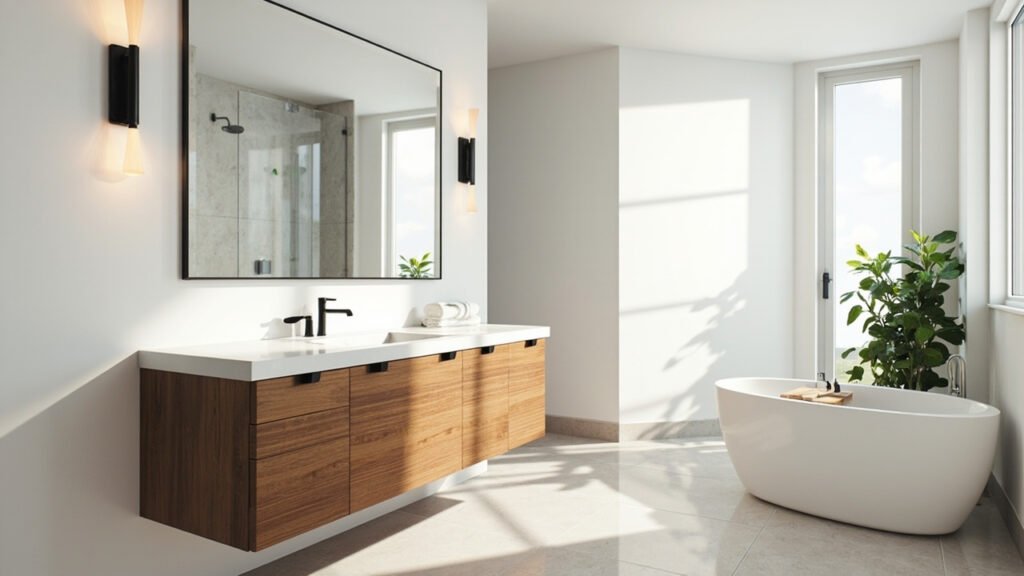
Converting your bathtub to a walk-in shower is one of the most practical upgrades you can make in a Boston-area home. Whether you are remodeling an antique colonial in Cambridge, updating a mid-century ranch in Quincy, or modernizing a condo in Back Bay, a tub to shower conversion can improve daily function, increase accessibility, and boost your home’s value. Bath Design Boston has helped homeowners throughout Greater Boston, Middlesex County, and Norfolk County transform their bathrooms with professional conversion services tailored to local building conditions.
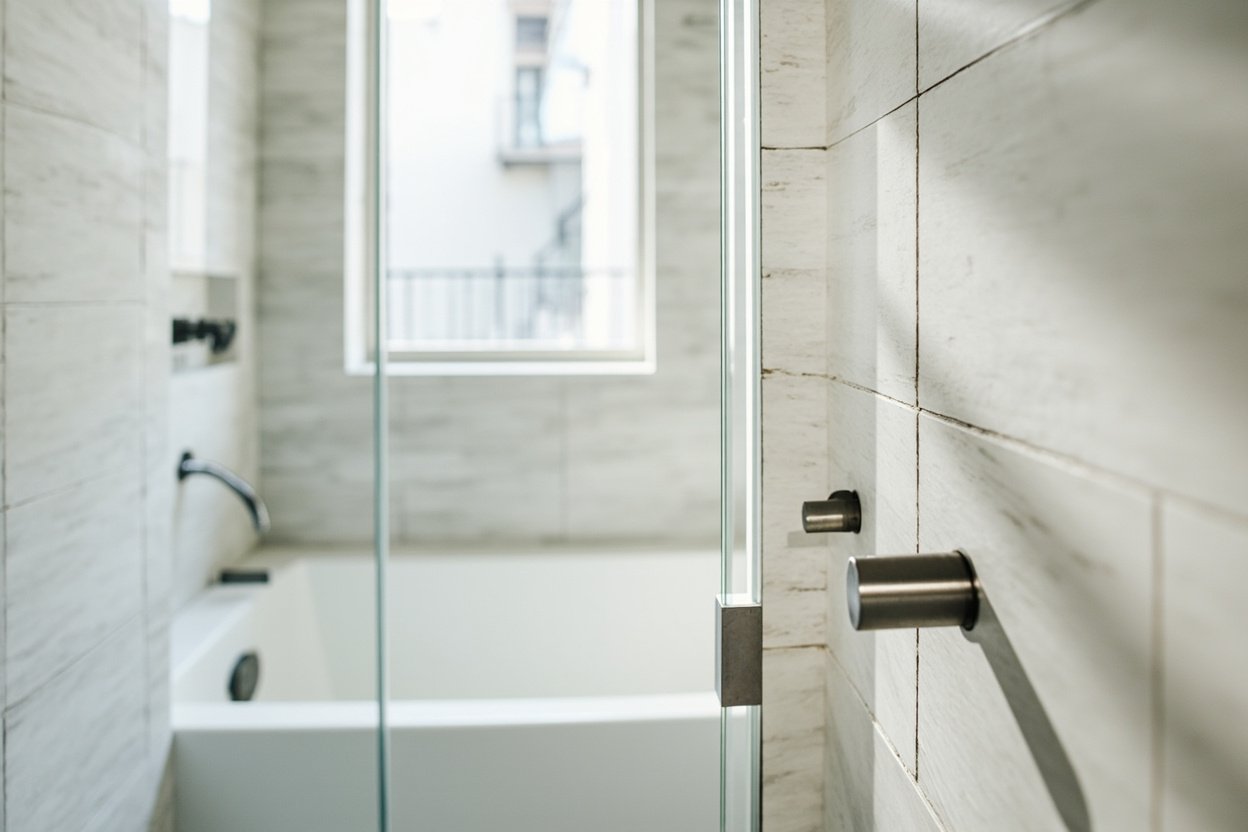
Why Boston Homeowners Are Switching from Tubs to Showers
Many older Boston-area homes were built with single-combination bathrooms where the tub served as the primary bathing area. While functional for families with young children, tubs often become inconvenient as homeowners age or priorities shift. A walk-in shower offers easier access, more interior space, and a modern aesthetic that appeals to today’s buyers. The National Association of Realtors reports that bathroom updates, particularly shower conversions, provide strong return on investment for homeowners in competitive markets like Greater Boston.
Beyond resale value, daily usability drives many conversions. Stepping over a tall bathtub wall becomes challenging for anyone with mobility concerns, joint issues, or balance considerations. Walk-in showers eliminate that barrier while creating a more open, spa-like experience. For homeowners planning to age in place, a conversion is often the first major improvement considered.
Boston-Specific Challenges in Tub to Shower Conversions
Every city presents unique considerations for bathroom remodeling, and Boston is no exception. The Greater Boston area features one of the oldest housing stocks in the country, with countless homes built before modern plumbing codes and building standards were established. This creates both opportunities and challenges when planning a tub to shower conversion.
Older home infrastructure often means outdated plumbing that may need updating during your conversion. Galvanized steel pipes, cast iron drain lines, and copper supply lines installed decades ago may require partial or complete replacement to meet current codes and ensure reliable water flow for your new shower system. A thorough evaluation of existing plumbing is essential before work begins.
Ventilation concerns are particularly important in Boston’s climate. Humidity from showers can cause significant moisture damage if not properly managed, especially in older homes where original construction may lack adequate exhaust systems. Professional installation includes assessing and upgrading bathroom ventilation to prevent mold growth, wood rot, and deterioration of surrounding materials. This step is non-negotiable for a long-lasting conversion.
Layout constraints frequently appear in Boston-area bathrooms. Historic homes often feature smaller footprint bathrooms with non-standard dimensions, offset drain locations, and load-bearing walls that limit reconfiguration options. Working with an experienced local contractor means understanding which walls can be modified, where drain lines run, and how to maximize your available space within these limitations.
The Tub to Shower Conversion Process Explained
Understanding what to expect during your conversion helps you prepare for the project and make informed decisions along the way. While every project differs based on scope and existing conditions, most tub to shower conversions follow a similar process.
- Initial consultation and assessment: Your contractor evaluates the existing bathroom, checks plumbing and subfloor conditions, discusses your design preferences, and provides project recommendations.
- Design and material selection: You choose shower bases, wall systems, fixtures, doors, and accessories that match your style and budget. Options range from budget-friendly acrylic surrounds to custom tile installations.
- Demolition and removal: The existing tub, surround, and any damaged materials are removed and disposed of properly. This phase often reveals hidden issues like water damage or outdated wiring.
- Plumbing modifications: Drain lines are redirected if needed, water supply lines are updated, and any code-required adjustments are completed.
- Waterproofing installation: A critical step that protects your home’s structure. Professional waterproofing systems are installed before any finished materials go in.
- Shower system installation: The new shower base, walls, fixtures, and doors are installed according to manufacturer specifications.
- Final inspection and cleanup: All connections are verified, the area is cleaned thoroughly, and final adjustments are made.
Each phase requires attention to detail and quality craftsmanship. Cutting corners on waterproofing or plumbing connections can lead to expensive repairs down the road, which is why choosing a qualified Boston bathroom remodeler matters.
What to Consider Before Your Conversion
Planning ahead ensures your new shower meets your needs for years to come. Several factors deserve consideration before committing to a tub to shower conversion.
Future accessibility requirements: Even if you do not need grab bars or low-threshold entry today, your needs may change. Discuss adding blocking for future grab bar installation, choosing a curbless or low-curb shower base, and selecting fixtures that can accommodate handheld or adjustable showerheads.
Storage and functionality: Removing a tub eliminates the bathing surface and any built-in storage the tub may have provided. Plan for recessed shelving, corner caddies, or custom niches to maintain adequate storage for toiletries and bath items.
Water heater capacity: Switching from a tub filled with gallons of water to a shower that runs for extended periods can strain smaller water heaters. Verify your current water heater can meet the increased demand or plan for an upgrade during your remodel.
Building permits and inspections: Most tub to shower conversions in Greater Boston require permits and inspections to ensure code compliance. A reputable contractor handles this paperwork and schedules required inspections throughout the project.
Making the Most of Your Boston Bathroom Remodel
A tub to shower conversion is often the centerpiece of a larger bathroom remodel. Many homeowners take the opportunity to update vanities, install custom tile work, replace flooring, and improve lighting. These complementary upgrades create a cohesive, fully renovated space rather than simply swapping one fixture for another.
Working with a contractor familiar with Greater Boston’s housing stock means benefiting from their experience solving the unique challenges these homes present. They know which neighborhoods have stricter historic preservation requirements, how to work around limited access for material delivery, and which subcontractors specialize in older home renovations.
The key to a successful conversion lies in thoughtful planning, quality materials, and expert installation. Your bathroom should function beautifully for decades while adding comfort and value to your home.
Ready to plan? Visit our bathroom remodeling page for Free, no-obligation estimate
When planning your tub to shower conversion boston, focus on clear scope, proper waterproofing, and smart layout choices.