
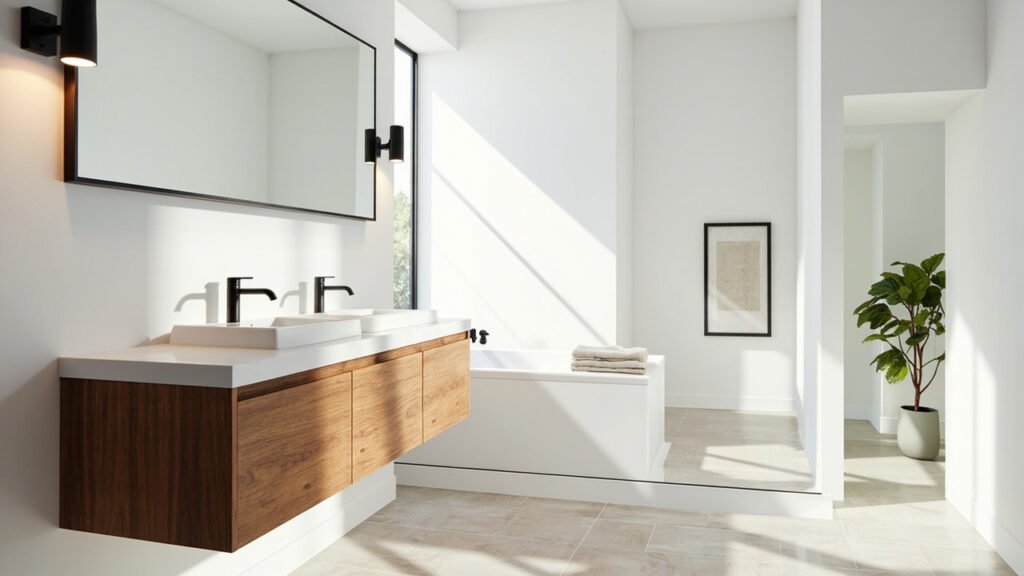
Making the switch from a traditional bathtub to a walk-in shower is one of the most popular bathroom upgrades among Boston-area homeowners. Whether you are looking to improve daily convenience, increase your home’s resale value, or create a more accessible bathing space, a tub to shower conversion offers practical benefits that go beyond aesthetics. Bath Design Boston serves homeowners throughout Greater Boston, Middlesex County, and Norfolk County, and we have helped many families transform outdated bathrooms into modern, functional spaces.
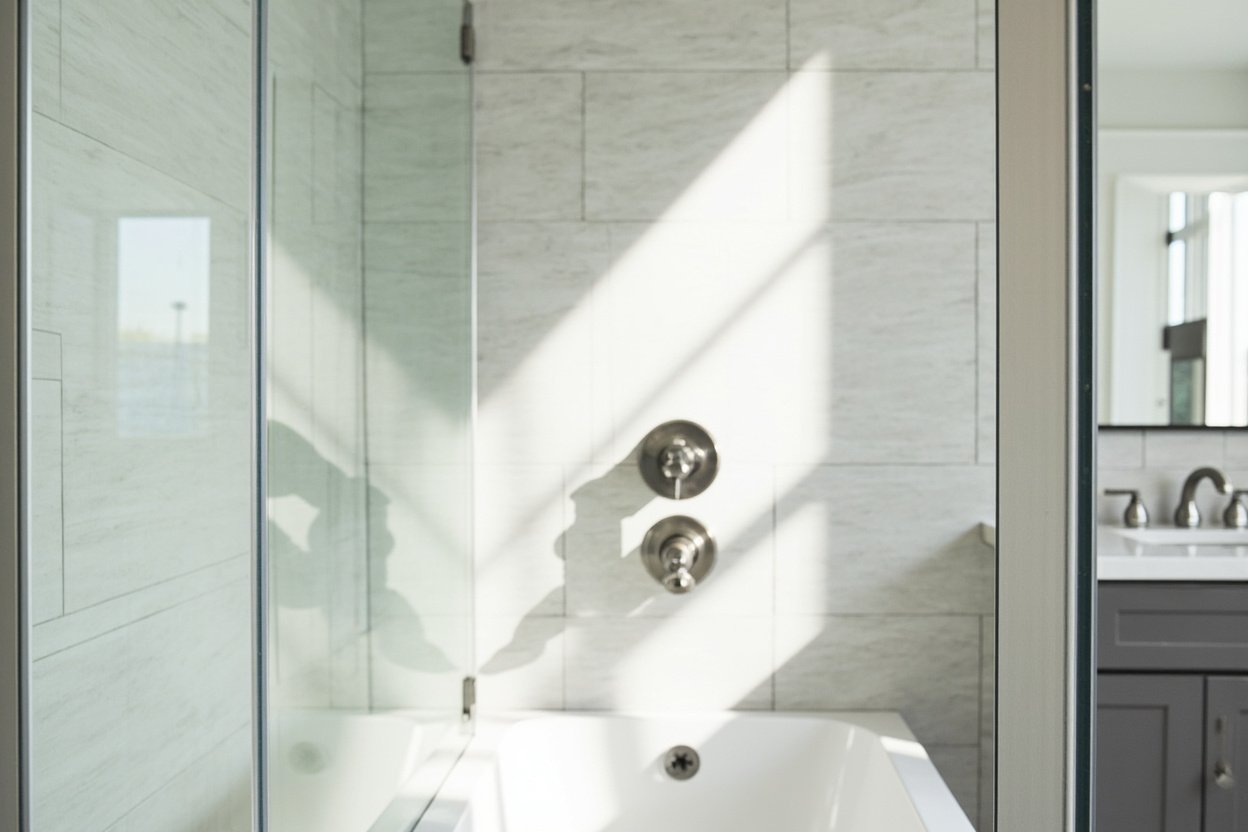
Why Boston Homeowners Are Choosing Tub to Shower Conversions
Boston’s housing stock includes a wide range of home ages, from historic row houses in neighborhoods like Beacon Hill and Charlestown to mid-century homes in suburbs across Middlesex and Norfolk Counties. Many of these properties still feature original bathtubs that can feel cramped, difficult to step over, and outdated in style. Converting a tub to a walk-in shower addresses several common concerns:
- Accessibility: Stepping over a high bathtub wall becomes increasingly difficult with age or mobility challenges. A walk-in shower with a low or curbless entry eliminates that barrier.
- Space efficiency: Showers make better use of smaller bathrooms, which are common in Boston’s older homes. Removing the bulky tub opens up the room visually and practically.
- Modern aesthetics: A new walk-in shower with custom tile and glass enclosures gives bathrooms a contemporary look that appeals to today’s buyers.
- Water efficiency: A well-designed shower can use less water than filling a full tub, which is a consideration for environmentally conscious homeowners.
Key Considerations for Boston-Area Conversions
Every city and town has its own character, and that extends to the practical challenges of bathroom remodeling. Before starting your tub to shower conversion, there are several factors to keep in mind.
Assessing Your Existing Plumbing and Drain Location
Older homes in Boston often have plumbing systems that were designed decades ago. The location of your existing tub drain and water supply lines will influence the layout of your new shower. In some cases, repositioning the drain can add complexity and cost to the project. Our team evaluates the existing infrastructure during the initial consultation to determine the most efficient approach for your specific bathroom layout.
Ventilation Challenges in Historic Properties
Proper ventilation is critical in any bathroom, but it is especially important in Boston’s older homes. Many historic properties were built without modern exhaust fans, and the existing ventilation may be inadequate for the increased moisture a shower produces. Without adequate airflow, moisture can lead to mold growth, peeling paint, and structural damage over time. Part of our conversion process includes assessing and upgrading ventilation as needed to protect your home.
Waterproofing for New England Climate
New England weather brings humidity, temperature fluctuations, and seasonal changes that can affect your bathroom. Proper waterproofing is non-negotiable for a tub to shower conversion. We install comprehensive waterproofing systems behind the walls and beneath the flooring to prevent leaks that could damage your home’s structure or your downstairs neighbors’ ceilings in multi-family buildings.
The Tub to Shower Conversion Process
Understanding what to expect helps you plan confidently. While every project is unique, most tub to shower conversions follow a similar general sequence.
- Initial consultation: We discuss your goals, take measurements, and evaluate your current bathroom setup.
- Design and material selection: Choose your shower base, walls, glass enclosures, fixtures, and custom tile options.
- Demolition: The old tub is removed, and we prepare the space for new construction.
- Plumbing adjustments: Any necessary modifications to drain lines and water supply are completed.
- Waterproofing installation: A full waterproofing system is applied before any finishing materials go in.
- Finishing: Custom tile, shower fixtures, glass enclosures, and any additional features are installed.
- Final inspection: We verify that everything is properly installed and functioning before considering the project complete.
Custom Options to Match Your Style
A tub to shower conversion is not a one-size-fits-all project. Homeowners in Boston have access to a wide variety of customization options to match their personal style and the overall design of their home. Popular choices include custom tile work in materials like subway tile, hexagon tile, or natural stone; frameless or semi-frameless glass enclosures for an open, modern feel; built-in niches and benches for added convenience; and upgraded fixtures such as rain showerheads, handheld sprays, and body jets. Whether you are renovating a master bath in a single-family home in Natick or a guest bathroom in a Back Bay condominium, we work with you to create a result that fits your vision.
Is a Tub to Shower Conversion Right for Your Home?
Not every bathroom is an ideal candidate for this conversion. If your bathroom is very small, removing the tub might reduce your home’s functionality for future resale. Some homeowners associations and local building codes have specific requirements about minimum bathing facilities. We help you weigh these considerations so you can make an informed decision based on your specific circumstances and goals.
Ready to plan? Visit our bathroom remodeling page for Free, no-obligation estimate
When planning your tub to shower conversion boston, focus on clear scope, proper waterproofing, and smart layout choices.