
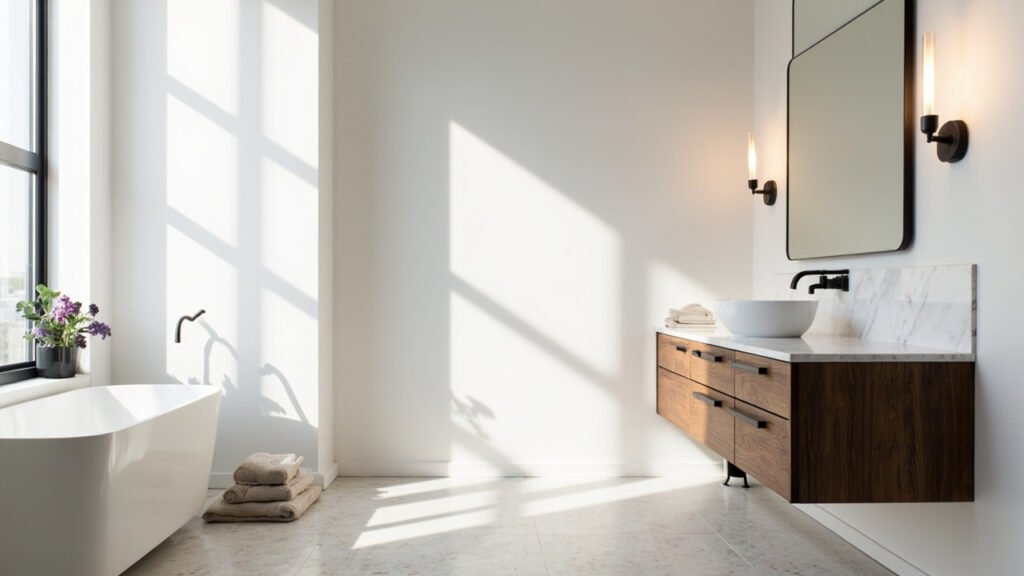
If you’re considering updating your bathroom in the Greater Boston area, a tub to shower conversion is one of the most popular upgrades among homeowners. Whether you’re aging in place, looking to improve accessibility, or simply want a more modern bathroom layout, converting your existing bathtub to a walk-in shower can transform your daily routine. At Bath Design Boston, we specialize in tub to shower conversions throughout Greater Boston, Middlesex County, and Norfolk County, helping homeowners make the switch with confidence.
Why Boston Homeowners Are Making the Switch
Many homes in the Boston area were built with a single bathroom that includes a tub, often a clawfoot or built-in model that was standard in construction from the early 1900s through the mid-century. These vintage fixtures have their charm, but they can become impractical as families age or when accessibility becomes a priority. Walk-in showers offer easier entry and exit, making them ideal for homeowners who want to future-proof their homes without sacrificing style.
Beyond accessibility, a tub to shower conversion can also increase your home’s value and appeal to potential buyers. Open, easy-to-clean showers are consistently ranked among the top bathroom features that buyers look for when searching for homes in the Greater Boston market.
Understanding Boston-Specific Challenges
Every city presents unique considerations for bathroom remodeling, and Boston is no exception. Here are some factors that typically come into play when planning a tub to shower conversion in this region:
- Older home construction: Many neighborhoods in Boston feature historic homes with original plumbing, subfloors, and wall structures that may need special attention during a conversion.
- Space constraints: Boston bathrooms are often smaller than the national average, making efficient layout planning essential.
- Ventilation requirements: Proper airflow is critical in New England climates where humidity levels fluctuate significantly throughout the year.
- Building codes and permits: Local codes in Greater Boston communities may have specific requirements for bathroom modifications, including waterproofing standards.
Working with an experienced contractor who understands these regional challenges makes a significant difference in the outcome of your project.
The Conversion Process: What to Expect
A professional tub to shower conversion typically involves several key steps. First, your contractor will assess the existing plumbing configuration to determine if any modifications are needed. In most cases, the drain location for a bathtub can accommodate a walk-in shower with minimal reconfiguration, though every bathroom is different.
Next, the old tub is removed and the surrounding area is prepared. This may involve addressing any water damage, reinforcing the subfloor, and ensuring proper slope for drainage. Waterproofing is one of the most critical steps in any shower conversion, particularly in older homes where moisture issues can lead to structural problems down the road.
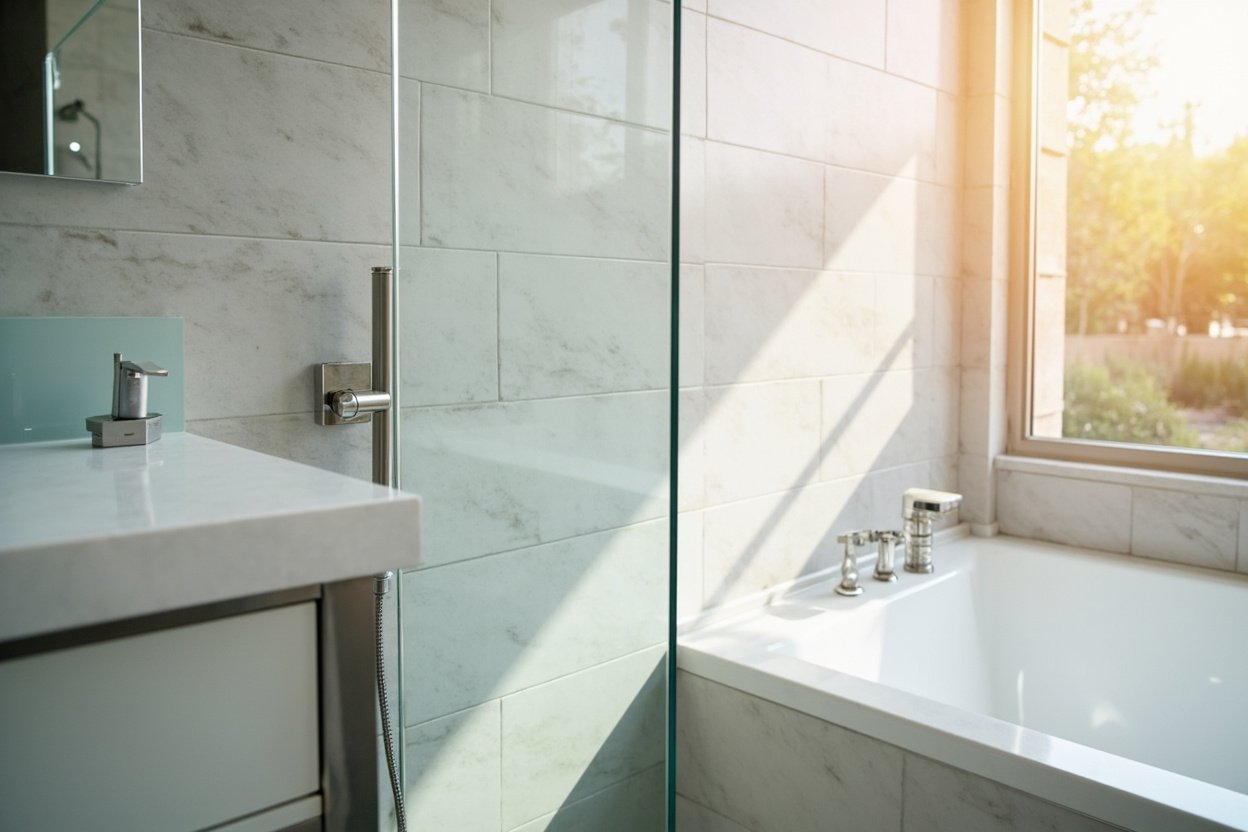
Once the base is properly prepared, your chosen shower system is installed along with any custom features such as custom tile work, grab bars, built-in seating, or glass enclosures. The entire process is handled with care to minimize disruption to your household.
Choosing the Right Features for Your New Shower
When you convert your tub to a shower, you have the opportunity to customize the space according to your needs and preferences. Some features to consider include:
- Walk-in shower enclosures: Frameless glass doors and panels create an open, spacious feel while keeping water contained.
- Custom tile options: From classic subway tile to natural stone, tile choices allow you to match your personal style.
- Built-in seating: A shower bench provides comfort and convenience for daily use.
- Grab bars and safety features: These can be integrated stylishly into your shower design rather than added as an afterthought.
- Multiple shower heads: Wall-mounted and rain shower heads add luxury to your new space.
Your contractor should guide you through these options while respecting your budget and timeline expectations.
Waterproofing: Non-Negotiable in Boston Bathrooms
Proper waterproofing is essential in any shower conversion, but it takes on added importance in the Greater Boston area. The region’s seasonal temperature changes and humidity fluctuations put extra stress on bathroom surfaces. Without proper waterproofing, moisture can seep into walls and floors, leading to mold growth, structural damage, and costly repairs.
A quality tub to shower conversion includes a proper waterproofing system applied behind the tile or shower surround. This typically involves waterproof membranes, proper sealing around joints, and adequate ventilation solutions. Your contractor should explain the waterproofing approach upfront so you understand how your new shower is protected for the long term.
Working with Bath Design Boston
At Bath Design Boston, we bring years of experience to tub to shower conversions throughout Middlesex County and Norfolk County. We understand the specific needs of Boston-area homes and take a thorough approach to every project, from initial consultation through final inspection.
Our team handles all aspects of your conversion, including design guidance, material selection, and professional installation. We work closely with homeowners to create shower spaces that balance functionality, safety, and aesthetics.
Ready to plan? Visit our bathroom remodeling page for Free, no-obligation estimate
When planning your tub to shower conversion boston, focus on clear scope, proper waterproofing, and smart layout choices.