
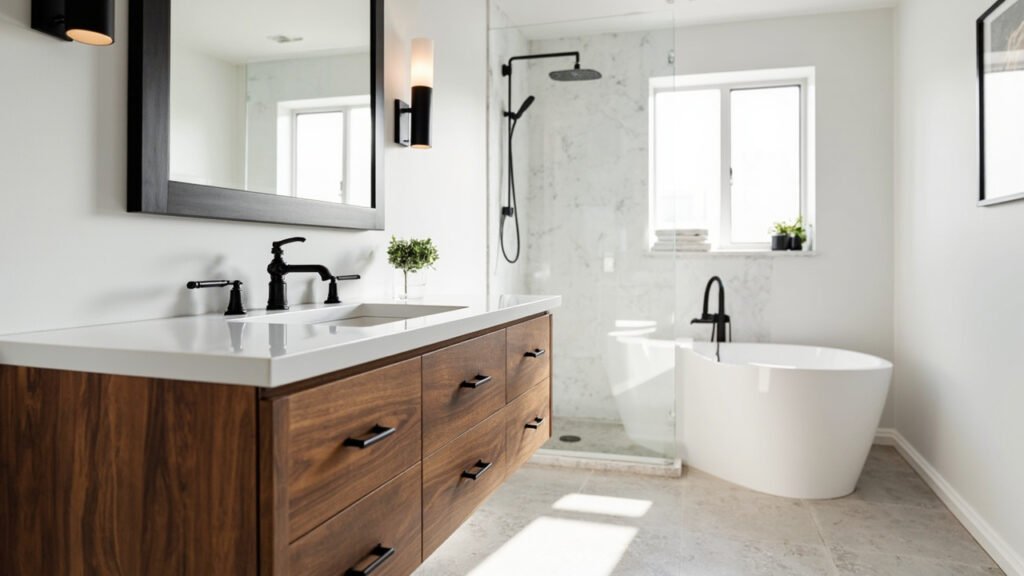
More Boston homeowners are choosing tub to shower conversion as a practical solution for updating their bathrooms. Whether you are dealing with an aging cast iron tub in a Back Bay brownstone or updating a master bath in a Quincy colonial, converting your tub to a walk-in shower can improve both the functionality and value of your home. Bath Design Boston serves customers throughout Greater Boston, Middlesex County, and Norfolk County, helping homeowners make the transition smoothly and professionally.
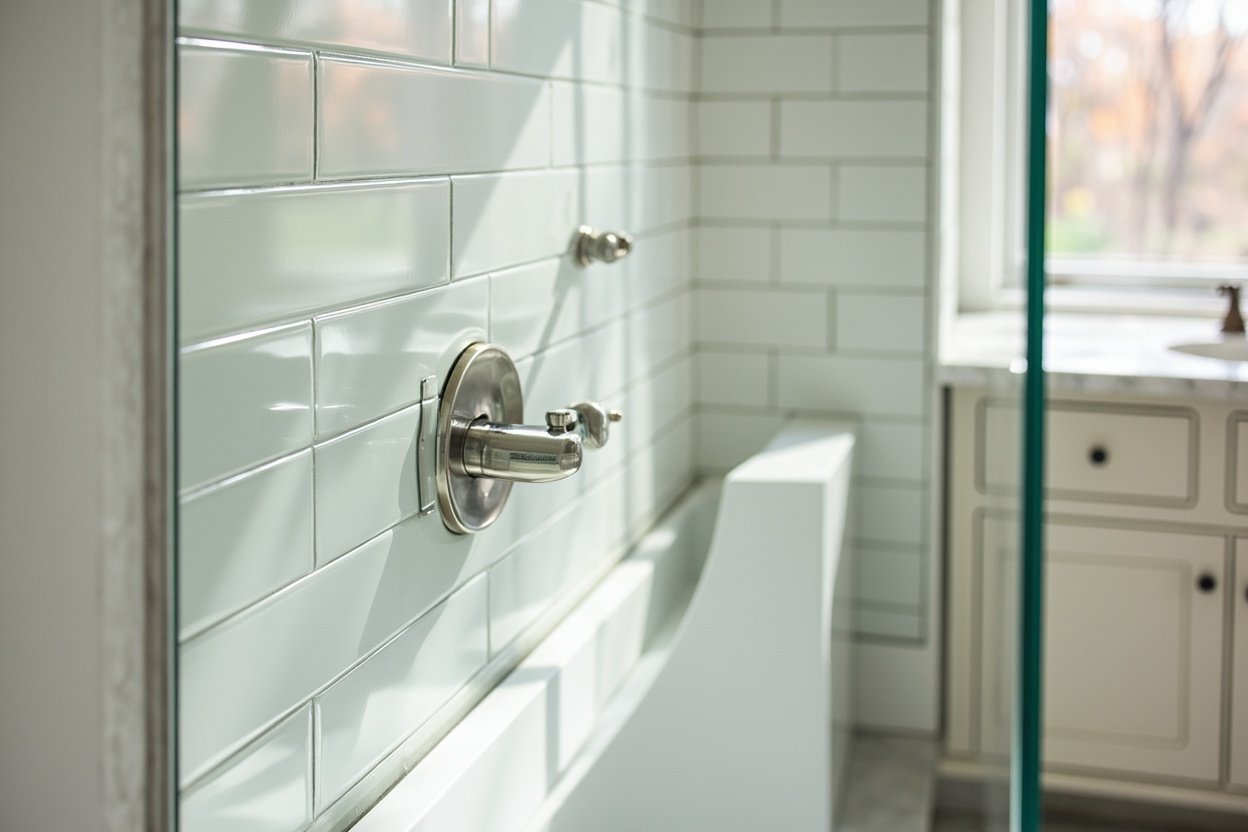
Why Boston Homeowners Are Making the Switch
Boston’s housing stock includes some of the oldest homes in the country. Many properties built in the early twentieth century feature bathrooms with dated cast iron tubs that may be difficult to access, prone to staining, or simply no longer suited to the homeowner’s needs. A tub to shower conversion addresses several common concerns.
- Improved accessibility for aging-in-place and mobility considerations
- Modern aesthetic that updates the overall look of the bathroom
- More efficient use of space in smaller bathrooms common in older homes
- Easier maintenance and cleaning compared to traditional tubs
- Potential increase in home resale value
Special Considerations for Boston-Area Homes
Boston-area homes present unique challenges that require careful planning. The age of many properties means that plumbing systems may need updating, subfloors may require reinforcement, and walls may need attention before installation can begin. Working with an experienced contractor familiar with local building codes and construction practices is essential.
Ventilation is particularly important in Massachusetts bathrooms. The humid climate and seasonal temperature variations can lead to moisture buildup if proper ventilation systems are not in place. During your tub to shower conversion, we assess existing ventilation and may recommend upgrades to exhaust fans or windows to prevent moisture-related issues that can affect walls, floors, and structural elements.
Waterproofing takes on added importance in older buildings where water damage may have occurred over decades. A thorough conversion includes proper membrane installation, sealing around edges, and attention to areas where water could potentially penetrate. This protects your investment and prevents costly repairs down the road.
The Tub to Shower Conversion Process
Every conversion project begins with an on-site assessment. We evaluate the existing bathroom layout, check the condition of the plumbing, and discuss your goals for the space. For homes with original plumbing from the 1950s or earlier, we may find galvanized pipes that need replacement during the conversion.
The basic steps typically include:
- Removal of the existing tub and any damaged surrounding materials
- Plumbing modifications to accommodate the new shower configuration
- Subfloor repair or reinforcement as needed
- Installation of waterproofing membrane and cement board
- Construction of the shower base or pan
- Custom tile work or shower surround installation
- Installation of fixtures, glass enclosures, and accessories
- Final sealing and finishing work
Layout constraints in Boston bathrooms often require creative solutions. Small bathrooms in converted apartments or narrow townhouses may benefit from corner shower units, while master baths might accommodate larger walk-in designs with multiple showerheads or bench seating.
Choosing Materials for New England Conditions
Material selection matters in Massachusetts, where temperature fluctuations and humidity levels put demands on bathroom surfaces. We work with homeowners to select products that perform well in this climate while matching their aesthetic preferences.
For shower surrounds,Options include acrylic panels that install directly over existing walls, natural stone tiles for a high-end look, and ceramic or porcelain tiles that offer durability and design flexibility. Each material has different maintenance requirements and price points.
Custom tile work remains popular for homeowners who want a unique look. Subway tile patterns, hexagonal mosaics, and large-format tiles can all work well in shower conversions. We also consider the practical aspects of grout lines and slip resistance when recommending materials.
Working with a Local Contractor
A successful tub to shower conversion requires coordination between design, plumbing, and general construction skills. Local contractors familiar with Boston-area homes understand the common issues that arise and know how to address them efficiently.
When evaluating contractors for your conversion project, consider their experience with similar projects, their knowledge of local building codes in your specific city or town, and their approach to protecting your home during construction. Dust containment and debris removal are particularly important in occupied homes.
Bath Design Boston brings years of experience helping homeowners throughout Greater Boston transform their bathrooms. Our team handles every aspect of the conversion process, from initial design through final installation, coordinating all trades and ensuring quality results.
Ready to plan? Visit our bathroom remodeling page for Free, no-obligation estimate
Whether your bathroom is in a Brookline Victorian, a Cambridge triple-decker, or a newer home in the suburbs, a tub to shower conversion can modernize your space and improve daily functionality. Taking time to plan properly ensures that your new shower will perform well for years to come in New England’s demanding climate.
When planning your tub to shower conversion boston, focus on clear scope, proper waterproofing, and smart layout choices.