
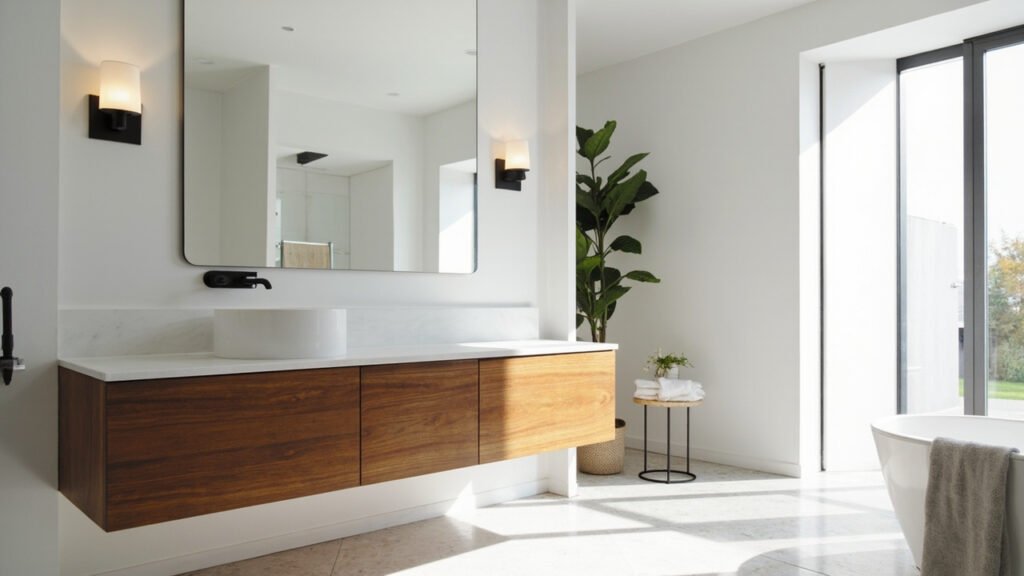
When considering bathroom tile installation in Boston, homeowners face unique challenges that go beyond simple aesthetics. The historic architecture of Greater Boston, combined with New England’s climate, requires careful planning and professional expertise to ensure lasting results. Whether you’re undertaking a full bathroom remodel or simply updating your shower, understanding the specific requirements for tile installation in this region is essential for protecting your investment.
Understanding Boston’s Older Home Challenges
Greater Boston is renowned for its historic homes, particularly in neighborhoods throughout Middlesex County and Norfolk County. Many of these properties were built with construction methods and materials that differ significantly from modern standards. When installing bathroom tiles in older Boston homes, professionals must account for subfloor conditions, wall structure integrity, and potential moisture damage that may have accumulated over decades.
Before any tile work begins, a thorough assessment of the existing structure is necessary. This includes checking for rot in wooden subfloors, verifying wall stud placement, and evaluating the condition of existing plumbing. In some cases, especially with homes built before the 1950s, additional structural reinforcement may be required to support the weight of stone tiles or thick mortar beds.
- Pre-installation structural assessment – evaluating subfloor and wall conditions
- Electrical and plumbing updates – ensuring systems meet current codes
- Asbestos consideration – older homes may require professional testing
- Leveling requirements – older floors often need correction before tiling
Proper Waterproofing for Boston Bathrooms
Waterproofing is perhaps the most critical aspect of bathroom tile installation, and this is especially true in Boston’s climate. The temperature fluctuations characteristic of New England seasons can create condensation issues and moisture penetration that lead to mold growth, tile failure, and structural damage if not properly addressed.
Professional tile installers in the Boston area utilize multiple layers of waterproofing protection. This typically includes waterproof membrane systems applied directly to the substrate, proper sealing of all joints and corners, and the use of grout sealants appropriate for the specific tile material. For walk-in showers and wet areas, a complete waterproofing system is non-negotiable for long-term performance.
Key waterproofing elements include:
- Waterproof membranes – creating a complete barrier against moisture penetration
- Proper slope – ensuring water flows toward drains effectively
- Corner and joint treatment – addressing vulnerable transition points
- Quality grout and sealant – maintaining water-resistant surfaces
Choosing the Right Tile Materials for New England Climate
Not all tiles perform equally in Boston’s environment. The freeze-thaw cycles that occur during New England winters can affect certain materials, particularly if they absorb significant moisture. Porcelain tiles are often recommended for Boston bathroom installations because of their low absorption rate and durability. Natural stone tiles can be excellent choices when properly sealed and maintained, but they require more ongoing care to prevent staining and moisture absorption.
For bathroom floors, slip-resistant tiles are essential, especially in households with elderly family members or young children. Textured porcelain, ceramic with anti-slip coatings, or natural stone with appropriate finishes provide the necessary traction while maintaining aesthetic appeal. Wall tiles offer more flexibility in terms of material choice since they are not subject to the same foot traffic and moisture exposure as floor installations.
Ventilation and Moisture Control
Proper ventilation is a crucial yet sometimes overlooked component of successful bathroom tile installation in Boston homes. Bathrooms generate significant moisture through shower use, bathing, and even hand washing. Without adequate ventilation, this moisture becomes trapped, leading to problems ranging from mildew growth to structural deterioration of the surrounding materials.
Building codes in Massachusetts require exhaust fans in bathrooms without windows that open, and professional installers will ensure that ventilation systems are properly sized for the bathroom’s square footage. When planning a bathroom remodel, consider upgrading ventilation capacity if you’re converting a tub to a walk-in shower or expanding the bathroom’s usable area.
Layout Considerations for Boston Bathrooms
Many Boston-area bathrooms, particularly in older homes, feature compact layouts that require creative solutions. Working with an experienced bathroom remodel professional helps maximize the functionality of available space while ensuring all plumbing connections and drainage systems meet code requirements.
Common layout challenges in Boston bathrooms include:
- Limited square footage – requiring efficient use of every inch
- Unusual angles – common in historic home renovations
- Plumbing placement – existing drain and supply locations may constrain options
- Ceiling height variations – older homes may have non-standard heights
Working with a Professional Boston Tile Installer
While DIY tile installation may seem appealing, the complexities of working in Boston’s older housing stock make professional installation the wisest choice for most homeowners. Professional installers bring not only technical expertise but also familiarity with local building codes, permit requirements, and the specific challenges presented by historic properties throughout Greater Boston.
When selecting a contractor for your bathroom tile project, look for experience with historic homes, proper licensing and insurance, and a portfolio of completed projects in your area. A reputable professional will provide detailed proposals that address substrate preparation, waterproofing systems, material recommendations, and realistic project expectations.
Ready to plan? Visit our bathroom remodeling page for Free, no-obligation estimate
When planning your bathroom tile installation boston, focus on clear scope, proper waterproofing, and smart layout choices.