
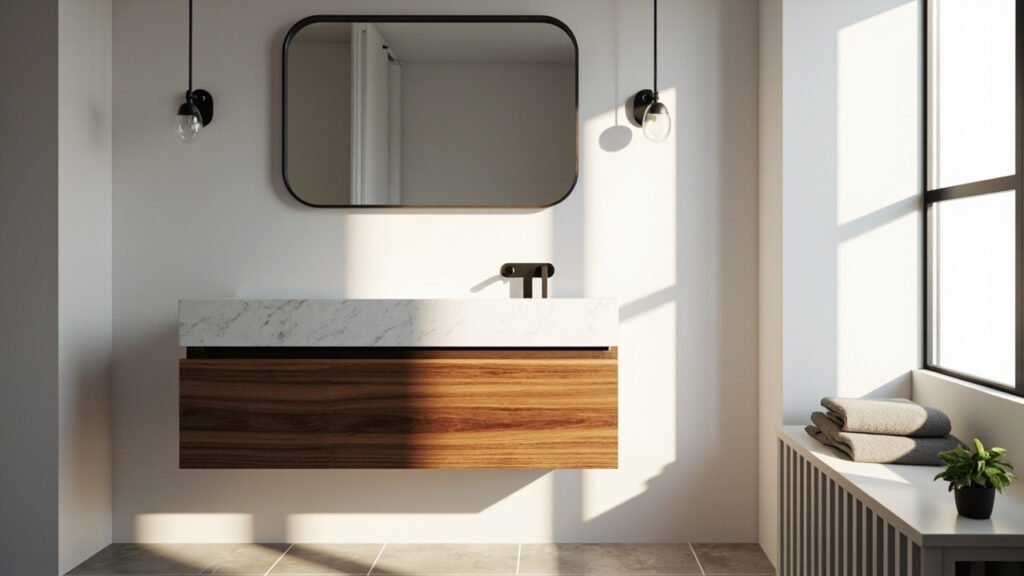
When it comes to bathroom vanity installation in Boston, homeowners face unique challenges that set the region apart from other parts of the country. From historic Colonial Revival homes in Beacon Hill to mid-century modern split-levels in Newton, the Greater Boston area presents specific considerations that require careful planning and professional expertise.
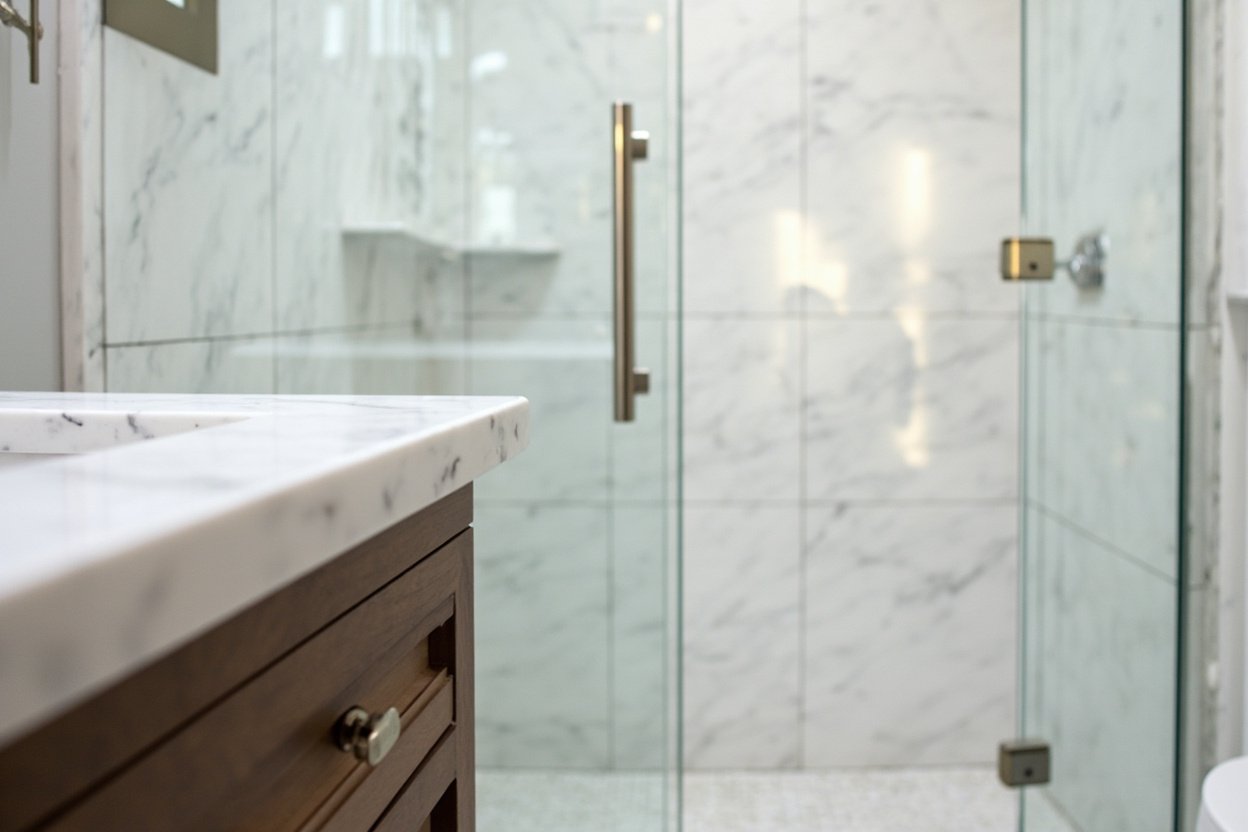
Why Boston Homes Present Unique Bathroom Challenges
Older homes throughout Middlesex County and Norfolk County often feature plumbing systems and layouts that differ significantly from newer construction. Many historic properties have non-standard wall stud spacing, which affects how vanities must be mounted. Original cast iron drain lines may need adaptation for modern fixtures, and subfloor conditions in homes built before the 1970s frequently require assessment before installation begins.
The compact nature of many Boston-area bathrooms also plays a role. Whether you are remodeling a tiny Back Bay powder room or updating a larger Wellesley master bath, understanding the spatial constraints helps ensure your vanity fits properly and functions well within the existing layout.
Choosing the Right Vanity for Your Boston Bathroom
Selecting a vanity involves more than choosing a style you like. Several practical factors determine whether a vanity will work in your specific space:
- Available dimensions: Measure your bathroom carefully, accounting for door swing clearance and walking paths
- Plumbing locations: The existing drain and supply line positions often dictate vanity placement and may influence whether you need a single or double sink configuration
- Storage requirements: Consider what items you need to store and whether you prefer drawers, cabinets, or a combination
- Style compatibility: Your vanity should complement your home’s architectural character, whether that means traditional millwork in a Victorian or clean lines in a contemporary renovation
- Material durability: Boston’s humidity fluctuations throughout the year mean materials must withstand moisture exposure without warping or deterioration
The Installation Process: What to Expect
Professional bathroom vanity installation follows a systematic approach that protects your home and ensures lasting results. The process typically begins with turning off water supply lines and disconnecting existing plumbing connections. Your installer will then remove the old vanity while protecting surrounding surfaces such as tile, wallpaper, or painted walls.
Before setting the new vanity, technicians inspect the wall studs and subfloor for any water damage or structural issues. This step proves particularly important in older Boston properties where decades of moisture exposure may have caused hidden deterioration. Any compromised areas must be repaired before proceeding.
The new vanity is then positioned, leveled, and secured to wall studs using appropriate fasteners. Plumbing connections are made using proper fittings and techniques, followed by caulking and sealing around edges to prevent water intrusion. A final inspection checks for leaks and confirms everything functions correctly.
Waterproofing and Ventilation: Critical Considerations for Boston Homes
Boston’s climate creates specific moisture challenges that affect bathroom installations year-round. Humid summers and cold winters mean bathrooms experience significant temperature and humidity swings, which can impact materials over time. Proper waterproofing behind and around the vanity prevents water from reaching the wall cavity and subfloor, where it could cause mold growth or structural damage.
Ventilation deserves careful attention as well. Many older Boston homes lack adequate bathroom exhaust fans, and upgrading or installing proper ventilation significantly extends the life of your vanity and surrounding finishes. Your installer should assess whether your current ventilation system handles moisture removal effectively or if improvements are needed.
Common Mistakes to Avoid During Vanity Installation
Homeowners sometimes make errors that compromise their vanity installation results. Rushing the project often leads to vanities that are not properly secured to wall studs, creating instability that may cause the unit to pull away from the wall over time. Failing to check for existing water damage before installation means problems continue beneath the surface and worsen gradually.
Improper plumbing connections cause leaks that damage cabinet interiors and surrounding structures. Skipping the waterproofing step leads to moisture issues that may not become apparent until significant damage has occurred. These problems are particularly common in older homes where conditions may already be marginal beneath existing finishes.
Working with Local Professionals
Choosing experienced contractors familiar with Greater Boston’s housing stock provides advantages that generic installers cannot match. Local professionals understand the construction methods common to the region’s various architectural styles, from triple-deckers in Somerville to single-family homes in Brookline. They know how to adapt installation techniques to handle the quirks of older plumbing systems and non-standard construction details.
Professional installation also protects your investment by ensuring the vanity is properly supported, sealed, and connected. When you work with established contractors who serve Middlesex County and Norfolk County, you gain access to expertise that comes from countless similar projects in your specific area.
Ready to plan? Visit our bathroom remodeling page for Free, no-obligation estimate
When planning your bathroom vanity installation boston, focus on clear scope, proper waterproofing, and smart layout choices.