

Boston’s historic homes combine charm and character, but they also present unique challenges when it’s time to remodel a bathroom. From navigating century‑old plumbing to meeting local ventilation standards, a successful renovation requires thoughtful planning and a contractor who understands the city’s building quirks. Below is a guide to help Greater Boston homeowners approach a bathroom remodel with confidence.
Understanding Boston’s Older Housing Stock
Many homes in Boston, especially in neighborhoods like Beacon Hill, Back Bay, and South Boston, were built in the late 1800s or early 1900s. These houses often feature plaster walls, original cast‑iron drain lines, and non‑standard floor joist spacing. Before demolition begins, a thorough assessment of the existing structure is essential. Identifying load‑bearing walls and verifying that plumbing vent stacks meet current code can prevent costly surprises during construction.
Working with a local remodeler who has experience in historic renovations means you’ll have someone who knows how to preserve architectural details while updating the space for modern comfort.
Planning Layout Around Space Constraints
Boston bathrooms frequently measure less than 50 square feet, especially in condos and townhouses. Maximizing every inch of usable space is a top priority. Consider the following strategies:
- Opt for a walk‑in shower instead of a bulky bathtub to free up floor space while still providing a luxurious bathing experience.
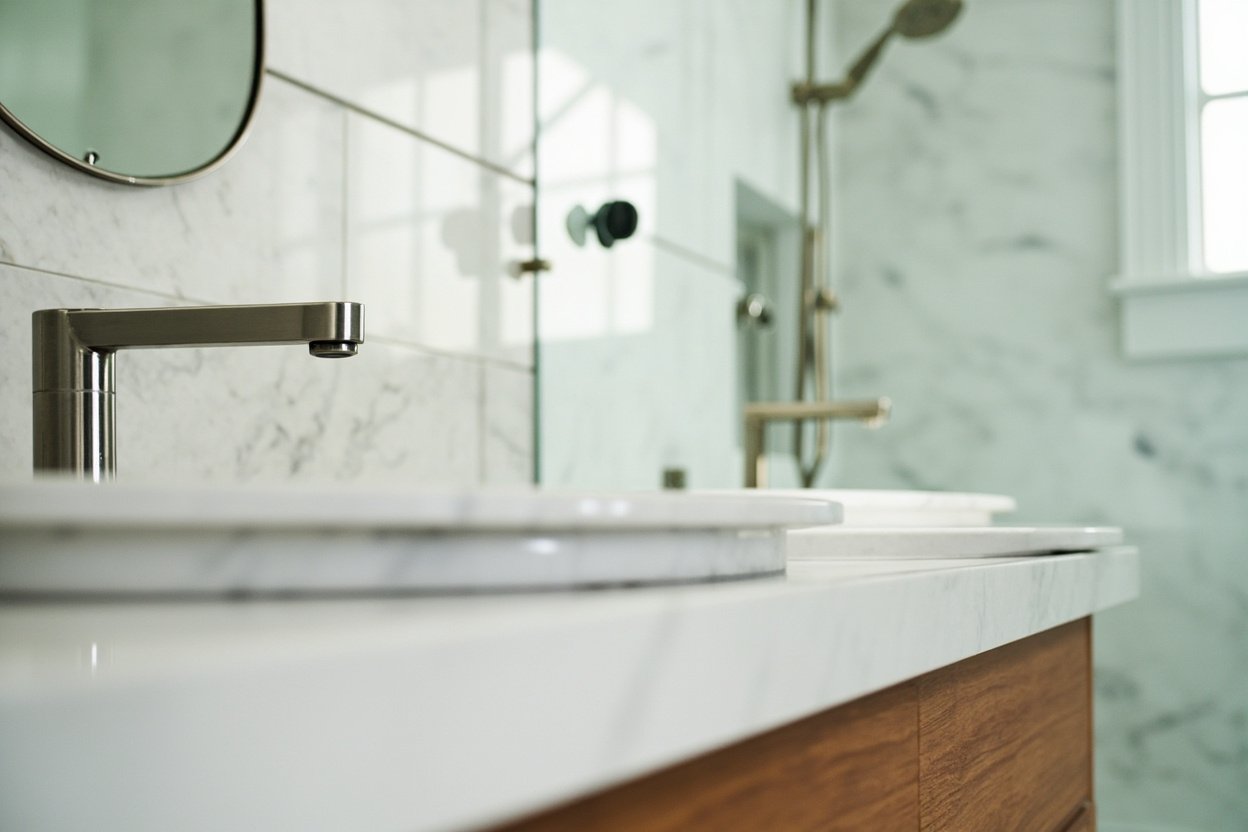
- Choose a wall‑mounted vanity to keep the floor clear and make the room feel larger.
- Use large‑format porcelain tiles on walls and floors to reduce grout lines and create a seamless visual flow.
- Install a corner sink or a pedestal basin where a full vanity would be too cramped.
Remember that layout changes may affect existing plumbing runs. Moving drains or water supply lines in a multi‑story building can add complexity and expense, so work with your contractor to find the most efficient configuration.
Ventilation and Moisture Control
Boston’s climate means that bathrooms are exposed to both cold, dry winters and humid summers. Proper ventilation is not just a comfort issue—it’s a code requirement and critical for preventing mold and water damage. Building codes in the city typically require exhaust fans that move at least 50 cubic feet per minute for bathrooms under 50 square feet, and the fan must vent directly to the exterior, not into an attic or common wall.
Consider installing a heat‑recovery ventilator (HRV) or an energy‑recovery ventilator (ERV) that brings fresh air in while exhausting stale, moist air. These systems help maintain indoor air quality while keeping heating costs manageable during the winter months.
Waterproofing Best Practices
Waterproofing is one of the most critical steps in any bathroom remodel, especially in older buildings where moisture can travel through cracks in plaster and cause damage to adjacent rooms. Here’s what a professional contractor should implement:
- Install a continuous membrane across all shower walls, floor, and curb using liquid‑applied or sheet membrane products approved for wet areas.
- Seal all joints and penetrations around plumbing fixtures with waterproof tape and silicone caulk.
- Use cement backer board instead of standard drywall behind tile to provide a stable, moisture‑resistant substrate.
- Apply a vapor barrier behind the backer board to prevent moisture from migrating into the wall cavity.
Taking these precautions will extend the life of your new bathroom and protect the structural integrity of your home.
Choosing Materials for Boston’s Climate
Temperature swings and humidity fluctuations can affect how materials perform over time. When selecting finishes, keep durability and maintenance in mind:
- Porcelain or ceramic tile is resistant to moisture and temperature changes, making it an excellent choice for floors and shower surrounds.
- Solid‑surface countertops (e.g., quartz) offer a non‑porous surface that resists staining and does not require sealing.
- Solid wood or engineered wood cabinetry with a moisture‑resistant finish can withstand the occasional steamy environment better than MDF.
- Matte finish fixtures can hide water spots and fingerprints better than high‑gloss finishes, which is helpful in busy households.
Navigating Permits and Local Regulations
Most bathroom remodel projects in Boston require a building permit, especially if you’re moving plumbing, altering electrical systems, or changing the structural layout. The city’s Inspectional Services Department (ISD) oversees these approvals, and the process can take several weeks. Your contractor should handle the permit application and ensure that all work complies with the Massachusetts State Building Code.
Condo associations and historic commissions may have additional requirements, especially in historic districts like the South End or Charlestown. It’s a good idea to verify any restrictions before finalizing your design.
Ready to plan? Visit our bathroom remodeling page for Free, no-obligation estimate
Why Choose a Local Contractor
Working with a Boston‑based remodeling company offers advantages beyond familiarity with city codes. Local contractors have established relationships with suppliers, understand the logistics of delivering materials in narrow streets, and can coordinate with other tradespeople who service the Greater Boston, Middlesex County, and Norfolk County areas.
From full bathroom remodels to tub‑to‑shower conversions and custom tile installations, a reputable local team will guide you from the initial design through final inspection, ensuring a smooth, stress‑free experience.
When planning your bathroom remodeling boston, focus on clear scope, proper waterproofing, and smart layout choices.