
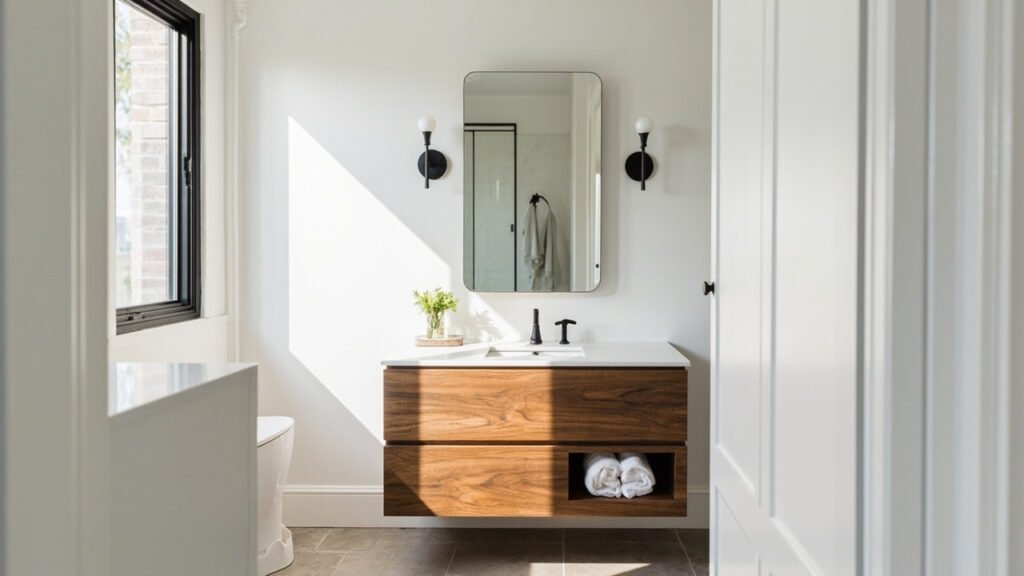
Thinking about a powder room remodel in Boston? You’re not alone. Many Greater Boston homeowners are discovering that a well-designed half bathroom can dramatically improve both daily living and home resale value. Whether your Colonial in Arlington sits behind a historic facade or your townhouse in Newton features modern lines, a powder room renovation offers significant return on investment with a relatively compact scope of work.
Why Boston Homeowners Are Investing in Powder Room Remodels
Boston’s housing stock includes everything from Federal-era townhouses to mid-century split-levels, and virtually all of them share one common trait: the powder room is typically one of the smallest and most heavily used spaces in the home. A powder room renovation allows you to maximize functionality in a tight footprint while updating finishes that may be decades old.
Common motivations include outdated fixtures that waste water, poor ventilation leading to moisture problems, and layouts that feel cramped or inefficient. For growing families, adding a second full bathroom can reduce morning congestion. For entertainers, a polished powder room makes a strong impression on guests.
Key Considerations for Powder Room Remodels in Greater Boston
Every Boston-area powder room project presents unique challenges. Older homes in Middlesex County often feature quirky floor plans, narrow staircases limiting material delivery, and plumbing stacks that restrict fixture placement. Before demolition begins, experienced contractors assess several critical factors.
Ventilation requirements: Boston’s humidity levels and the age of many local homes mean proper exhaust ventilation is essential. Without adequate airflow, moisture accumulates on walls and floors, leading to mold growth and premature finish deterioration. Modern code requirements may necessitate upgrading exhaust fans or adding supplemental ventilation solutions.
Waterproofing standards: Even in powder rooms where showers are absent, moisture from handwashing and humidity requires thoughtful waterproofing. Proper sealing around fixtures, quality underlayment, and appropriate materials selection prevent long-term damage that often goes unnoticed until significant problems develop.
Layout constraints: Historic Boston homes frequently have powder rooms tucked under staircases or squeezed into former closets. Creative layout solutions might include wall-mounted sinks to free up floor space, corner toilets, or custom-built vanities designed to fit awkward dimensions precisely.
Popular Powder Room Features Boston Homeowners Are Choosing
Today’s powder room remodels blend functionality with sophisticated design. Homeowners in Norfolk County and throughout Greater Boston are gravitating toward several key trends.
- Wall-mounted fixtures: Pedestal sinks and wall-hung toilets create visual spaciousness and simplify floor cleaning in compact spaces.
- Custom tile work: Feature walls with decorative tile add visual interest without consuming precious square footage. Subway patterns remain popular, but geometric and Moroccan-inspired tiles are gaining traction.
- Statement lighting: Sconces flanking a framed mirror provide even illumination for grooming while serving as a focal point.
- Bold paint or wallpaper: Since powder rooms are small, they’re ideal canvases for saturated colors or patterned wallcoverings that would overwhelm larger rooms.
- Smart storage solutions: Custom vanities maximize storage without encroaching on available floor space.
The Powder Room Remodel Process: What to Expect
A typical powder room remodel involves several phases. Initial design consultations address layout options, material selection, and budget alignment. During this phase, contractors evaluate existing plumbing locations and identify opportunities to reroute supply lines if layout improvements are desired.
Demolition removes existing finishes, fixtures, and any compromised subflooring. This phase often reveals hidden issues in older homes, such as degraded wood beneath old flooring or outdated wiring. Experienced contractors build contingency time into project schedules to address these discoveries without derailing timelines.
Installation follows a logical sequence: rough plumbing, electrical upgrades, waterproofing, finish carpentry, tile installation, fixture mounting, and final trim work. Quality contractors coordinate trades carefully to prevent damage to finished surfaces during later phases.
Choosing Materials for Your Boston Powder Room
Material selection balances durability, aesthetics, and budget. In powder rooms, surfaces must withstand humidity and regular cleaning while creating a polished appearance.
Flooring: Porcelain tile offers excellent water resistance and comes in countless styles. Luxury vinyl planks provide wood-like appearance with superior moisture performance. Natural stone adds elegance but requires more maintenance.
Walls: Tile remains the gold standard for wet zones, but moisture-resistant paint over proper primer works well in dry areas. Painted wainscots add protection while allowing color expression.
Countertops: Quartz provides excellent durability and requires minimal maintenance. Solid surface materials offer seamless integration with undermount sinks. Natural stone adds luxury but requires sealing maintenance.
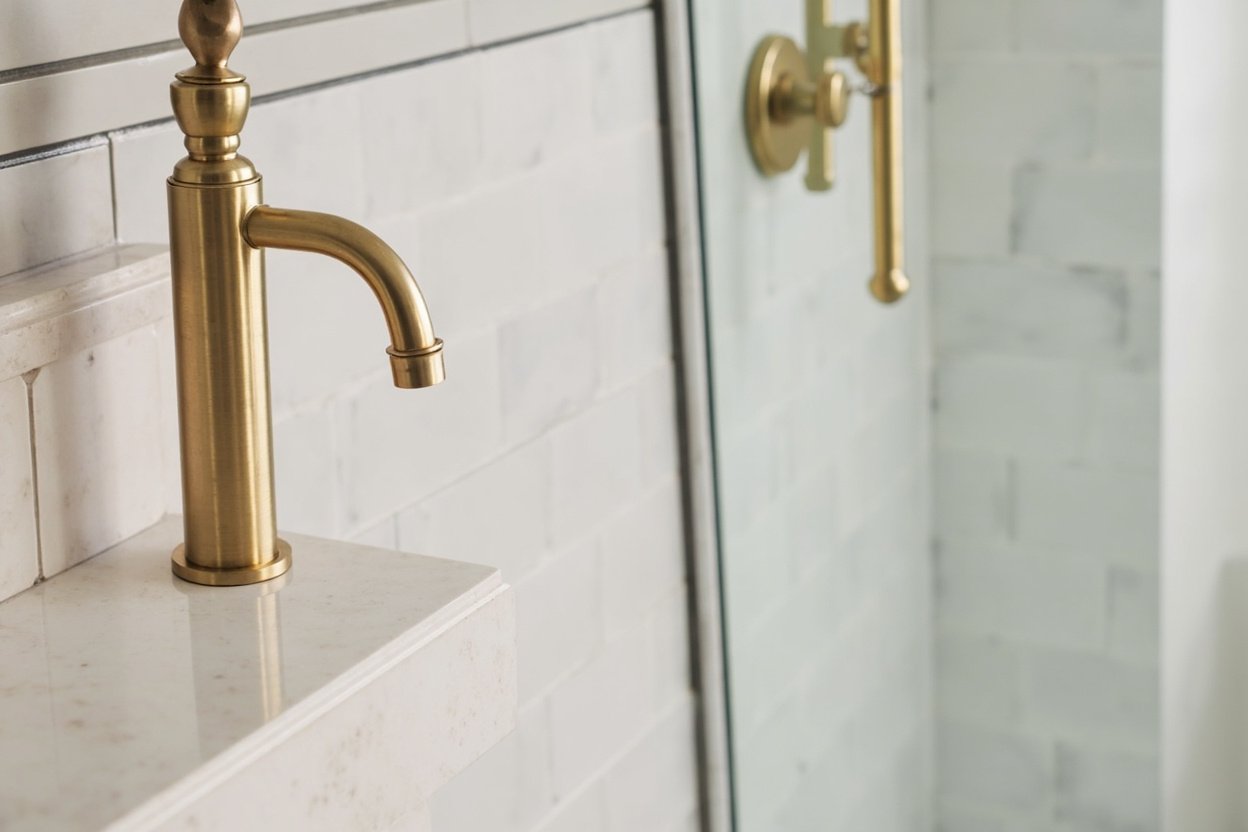
Fixtures: Water-efficient faucets and toilets reduce utility costs while meeting modern sustainability expectations. Brushed nickel and matte black finishes dominate current design trends, though chrome and brass maintain devoted followings.
Working with a Local Contractor
A successful powder room remodel requires coordination between design vision, technical requirements, and budget constraints. Local contractors familiar with Greater Boston’s housing stock understand the common challenges posed by historic homes and can propose practical solutions. They also maintain relationships with local suppliers, which often results in better pricing and faster material availability.
Look for contractors who provide detailed proposals including scope of work, materials specifications, and clear timelines. Ask about warranty coverage and post-installation support. Professional remodelers should be willing to explain their processes and answer questions without pressure.
Ready to plan? Visit our bathroom remodeling page for Free, no-obligation estimate
When planning your powder room remodel boston, focus on clear scope, proper waterproofing, and smart layout choices.