
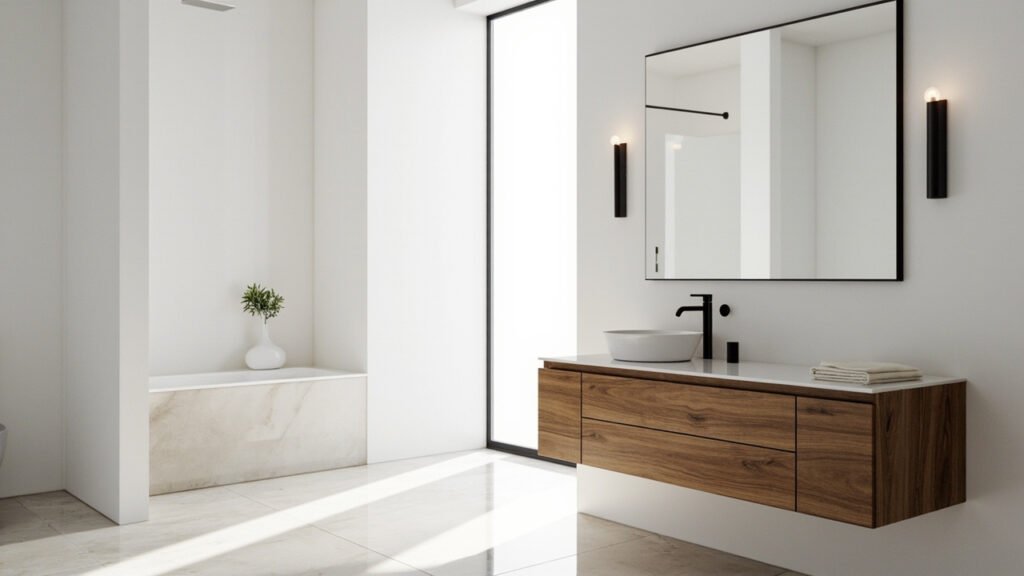
Making the switch from a traditional bathtub to a walk-in shower is one of the most popular bathroom upgrades among Greater Boston homeowners. Whether you are dealing with an aging family member, tired of the maintenance a tub requires, or simply want to modernize your space, a tub to shower conversion Boston project can transform your daily routine while adding real value to your home. Bath Design Boston has helped hundreds of Middlesex County, Norfolk County, and Greater Boston residents make this transition smoothly and efficiently.
Why Boston Homeowners Are Choosing Tub to Shower Conversions
Boston’s housing stock is among the oldest in America, with countless homes built in the early 20th century featuring small, dated bathrooms with original clawfoot tubs and limited layouts. A tub to shower conversion addresses several common concerns that local homeowners face. First, accessibility becomes increasingly important as families age. Stepping over a high bathtub wall presents fall risks that a curbless walk-in shower eliminates. Second, many Boston residents find that they simply do not use their tubs, converting spare bathrooms into more functional spaces that suit modern lifestyles.
Beyond practicality, these conversions offer significant aesthetic upgrades. Older Boston homes often have bathrooms with dated tile, worn fixtures, and poor lighting. A professional conversion allows you to address all of these issues simultaneously, creating a fresh, clean look that complements your home’s character while meeting contemporary standards for comfort and efficiency.
Understanding Boston’s Unique Challenges
Undertaking a tub to shower conversion in Greater Boston requires specialized knowledge that goes beyond standard bathroom renovation. The age of Boston’s housing stock presents specific challenges that experienced contractors understand intimately. Many homes in neighborhoods like Newton, Brookline, Cambridge, and Quincy have plaster walls, unique plumbing configurations, and subfloors that may have settled over decades of use. All of these factors influence how a conversion should be approached.
Ventilation represents another critical consideration for Boston bathrooms. The humid climate of Massachusetts, combined with older construction methods, means that proper airflow is essential to prevent mold and moisture damage. A professional installation includes adequate exhaust ventilation solutions and waterproofing systems designed specifically for New England conditions. Without proper attention to these details, even a beautifully finished shower can develop problems within a few years.
Waterproofing takes on heightened importance in Boston’s older homes. Basement moisture, varying foundation conditions, and aging building materials all affect how water behaves in your bathroom. Quality contractors use modern waterproofing membranes and techniques that create a complete barrier between your shower and the surrounding structure, protecting your investment for decades.
What to Expect During Your Conversion Project
A typical tub to shower conversion involves several key phases that professional contractors manage systematically. The process begins with a thorough assessment of your existing bathroom, examining plumbing locations, wall structure, and subfloor conditions. This evaluation determines whether your conversion can proceed straightforwardly or requires additional preparation work such as plumbing modifications or structural reinforcement.
During demolition, your contractor removes the existing tub, associated tile, and any damaged materials. This phase often reveals conditions that were not visible initially, particularly in older Boston homes where walls may have water damage or where previous renovations covered underlying problems. Experienced contractors anticipate these possibilities and plan accordingly.
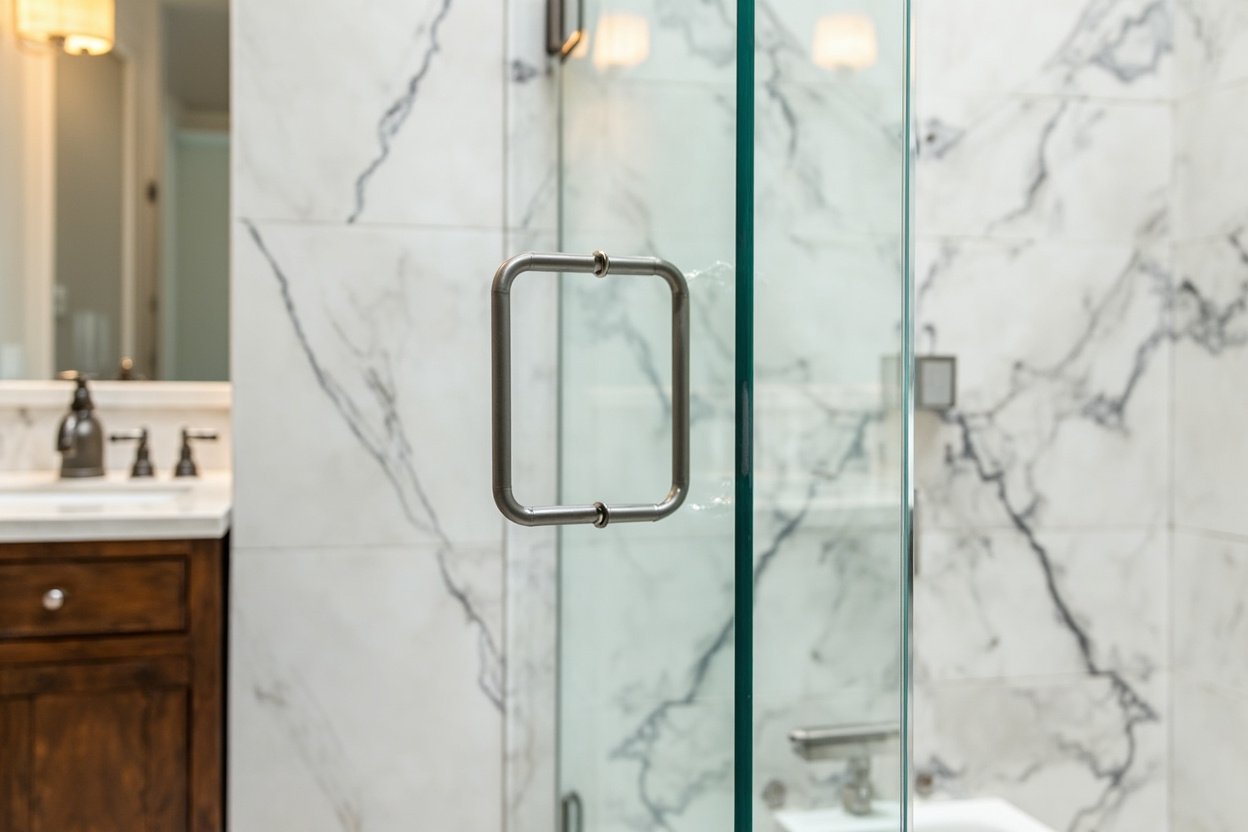
Construction then proceeds through rough plumbing adjustments if needed, installation of waterproofing systems, and finishing work including tile, fixtures, glass enclosures, and accessories. Throughout this process, attention to detail ensures that every joint is sealed properly and every surface is built to last.
Key Benefits of Professional Installation
Choosing an experienced contractor for your tub to shower conversion offers advantages that DIY approaches simply cannot match. Professional installation ensures code compliance, which is particularly important in cities and towns throughout Middlesex County and Norfolk County where building inspections are rigorous. Licensed contractors understand local requirements and ensure that all work meets current standards.
Quality craftsmanship also means your shower will perform properly for years without leaks, mold, or structural issues. Professional waterproofing systems, proper slope calculations for drainage, and precision fixture installation all contribute to a shower that works beautifully while protecting your home’s structure. The difference between a professionally installed shower and an amateur project often becomes apparent within the first year of use.
Additionally, professional contractors have established relationships with suppliers and can access higher-quality materials at better prices than individual homeowners. This means your conversion can include premium fixtures, beautiful tile options, and durable glass enclosures that might otherwise exceed your budget.
Making the Most of Your Bathroom Remodel
Many homeowners choose to expand their tub to shower conversion into a complete bathroom remodel. This approach makes sense because the construction process naturally exposes existing conditions, allowing you to address multiple concerns simultaneously. When your contractor is already working in your bathroom, upgrading vanities, installing custom tile, refreshing lighting, and improving ventilation adds relatively modest cost compared to tackling these projects separately.
For powder rooms and smaller bathrooms common in Boston’s older homes, a focused conversion often provides the most impact. Even in tight spaces, thoughtful design can create the illusion of more room while delivering functionality that exceeds what the original layout provided. Walk-in showers with glass panels, rather than curtains, make compact bathrooms feel significantly larger.
Planning Your Boston Tub to Shower Conversion
Before starting your project, consider how you use your bathroom and what outcomes matter most to you. Think about whether you need accessibility features like built-in seating or grab bars, whether you prefer a curbless entry that eliminates any threshold, and what style of tile and fixtures complement your home’s overall aesthetic. Budget considerations also play a role, as material choices significantly affect both the upfront cost and the long-term value of your renovation.
Working with a contractor who understands Boston’s specific housing characteristics ensures that your conversion addresses local conditions properly. From the freeze-thaw cycles that affect exterior walls to the layout constraints of historic floor plans, experienced local contractors anticipate challenges that out-of-town companies simply do not recognize.
Ready to plan? Visit our bathroom remodeling page for Free, no-obligation estimate
When planning your tub to shower conversion boston, focus on clear scope, proper waterproofing, and smart layout choices.