
When it comes to bathroom remodeling in Boston, tile installation is one of the most important decisions you will make. Tile affects not only the look of your space but also its durability, moisture resistance, and long-term value. At Bath Design Boston, we have helped homeowners throughout Greater Boston, Middlesex County, and Norfolk County transform their bathrooms with quality craftsmanship and thoughtful design. Here is what you should know before starting your project.
Why Tile Choice Matters in Boston Bathrooms
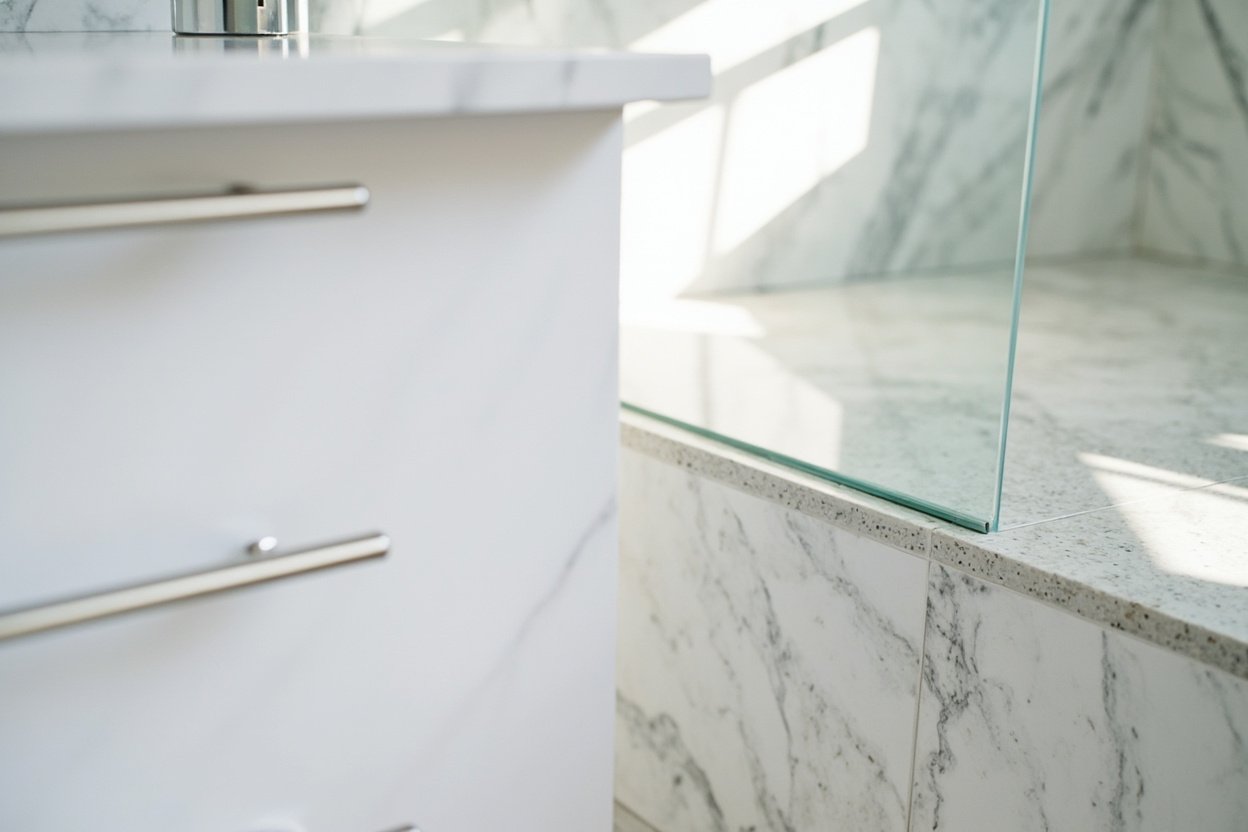
Boston’s housing stock includes many historic homes with unique layout constraints and aging infrastructure. The tile you choose must perform well in these specific conditions. Porcelain and ceramic tiles remain the most popular choices because they handle moisture well and come in countless styles. Natural stone, such as slate or marble, can add elegance but requires more maintenance in our climate. Whatever you select, proper waterproofing underneath is essential for protecting your subfloor and preventing costly water damage down the road.
Key Considerations for Tile Installation in Older Boston Homes
Many homes in neighborhoods like Back Bay, Beacon Hill, and Somerville were built decades ago with smaller bathrooms and non-standard layouts. This creates specific challenges during bathroom tile installation. Our team assesses several factors before beginning any project.
- Subfloor condition and structural integrity
- Existing moisture issues or water damage
- Uneven walls and floors common in historic properties
- Ventilation system upgrades for modern standards
- Compliance with current building codes
Addressing these issues upfront prevents problems during installation and ensures your new tile lasts for years without cracking or loosening.
Waterproofing: The Foundation of a Successful Tile Job
Proper waterproofing separates a bathroom that looks good from one that stays good. In Boston’s humid summers and cold winters, moisture management is critical. We install waterproof membranes beneath all tile work, paying special attention to shower areas, tub surrounds, and floors near water sources. This step adds cost upfront but saves thousands in potential repairs. Without adequate waterproofing, even the most beautiful tile installation can fail when water seeps through grout lines and damages the structure beneath.
Planning Your Layout and Design
Tile layout affects both aesthetics and functionality. We work with homeowners to choose patterns, colors, and sizes that complement their existing decor while addressing practical concerns. Large format tiles can make small bathrooms feel more spacious, while mosaic accents add visual interest to shower niches or backsplashes. Consider how different grout colors affect the overall look. Lighter grout brightens the space but shows more wear over time. Darker grout hides stains better but can make a room feel smaller if used on large areas.
For powder rooms, a single accent wall of bold tile can create significant impact without overwhelming a small space. In master baths, we often recommend combining different tile types to define zones and add visual depth.
Walk-In Showers and Tub-to-Shower Conversions
Many Boston homeowners are choosing walk-in showers over traditional tubs, especially in condos and older homes where space is limited. This shift requires careful planning around drainage, waterproofing, and accessibility. Curbless showers offer a sleek look and easier access, but they require proper slope planning and often demand adjustments to existing plumbing. We evaluate your current bathroom layout to determine the best approach for your space and lifestyle needs.
Tub-to-shower conversions are popular among homeowners who want to modernize their bathrooms or improve accessibility. Removing a tub and installing a custom tile shower can open up valuable floor space while creating a more contemporary appearance.
Ventilation Requirements for Boston Bathrooms
Proper ventilation prevents mold growth and protects your tile investment. Many older Boston homes were built with inadequate exhaust systems. Building codes now require specific ventilation rates based on bathroom size. During your remodel, we assess your current ventilation setup and recommend upgrades when necessary. This might include installing a more powerful exhaust fan, adding a second unit, or improving ductwork to the exterior. Good ventilation extends the life of your grout and prevents the musty odors that plague poorly ventilated bathrooms.
Custom Vanities and Complementary Design Elements
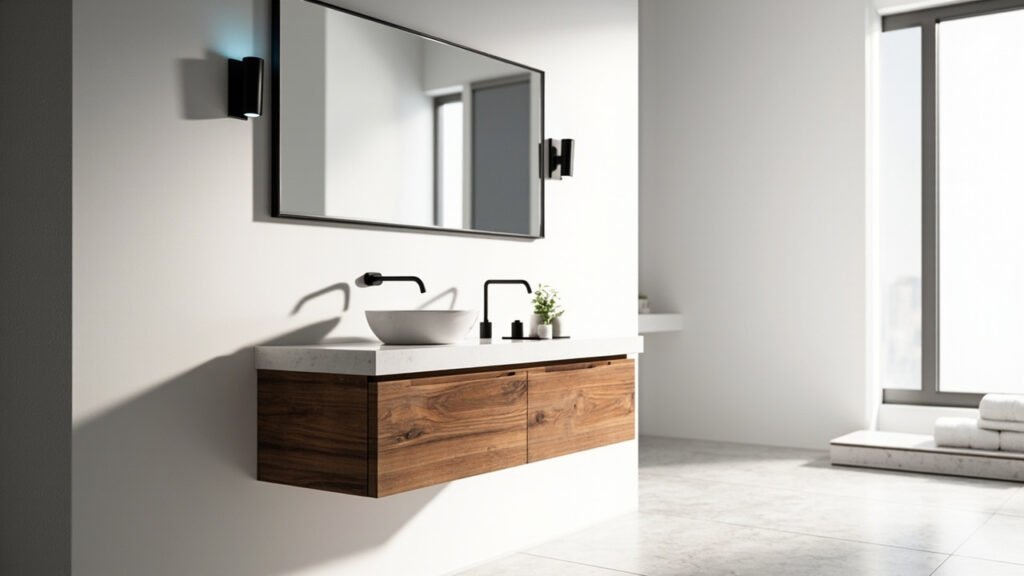
Tile work does not exist in isolation. The vanities, lighting, and fixtures you choose interact with your tile design to create a cohesive look. We coordinate with homeowners to ensure all elements work together harmoniously. Custom vanities can be designed to accommodate unusual bathroom dimensions common in older Boston properties. Floating vanities work well in smaller spaces, while double-sink setups require careful planning to maintain traffic flow in shared bathrooms.
Working with a Local Contractor
Choosing a contractor familiar with Boston-area homes means benefiting from experience with local building codes, common construction methods, and the specific challenges of remodeling in historic properties. Our team understands the permitting process in different municipalities and knows how to navigate issues that arise in pre-war construction. We bring the same attention to detail to a powder room refresh as we do to a full master bath renovation.
Ready to plan? Visit our bathroom remodeling page for Free, no-obligation estimate
When planning your bathroom tile installation boston, focus on clear scope, proper waterproofing, and smart layout choices.