
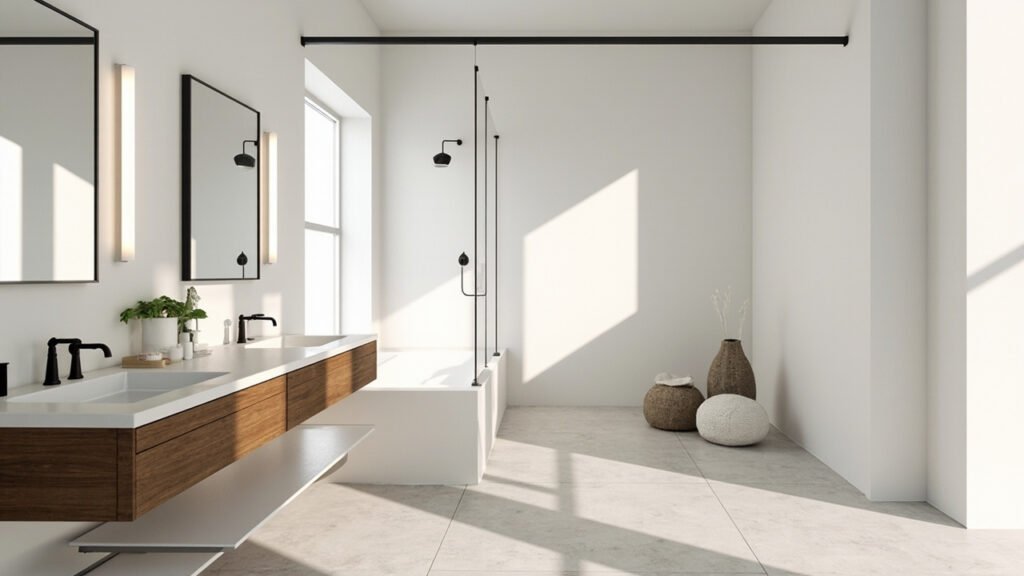
Thinking about converting your old bathtub into a sleek, accessible walk-in shower? You are not alone. Many Greater Boston homeowners are choosing tub to shower conversion as a practical upgrade that adds everyday convenience, modern style, and lasting value to their homes. Whether you are dealing with an aging cast-iron tub in a historic Newton Colonial or a dated alcove in a Brookline condo, this guide walks you through what the process involves and why it makes sense for Boston-area properties.
Why Boston Homeowners Are Making the Switch
Boston’s housing stock is famously diverse, with countless homes built throughout the 20th century featuring original bathroom layouts that have not aged well. Old porcelain tubs become difficult to step over, prone to stains, and costly to refinish. A tub to shower conversion addresses these problems directly.
Beyond personal comfort, the conversion aligns well with how modern families use their bathrooms. Walk-in showers are easier to clean, reduce water waste with targeted spray patterns, and open up the room visually. For aging homeowners or anyone planning to age in place, the accessibility benefits are immediate and significant.
Assessing Your Bathroom for a Conversion in Greater Boston
Before starting any project, a qualified contractor evaluates several factors specific to Boston-area homes. These considerations often differ from what you find in newer construction elsewhere.
- Plumbing configuration. Many Boston and Middlesex County homes have galvanized steel or early copper supply lines that may need updating to support modern shower fixtures reliably.
- Subfloor and wall structure. Removing a built-in tub frequently reveals rotted subfloor or water-damaged wall studs, especially in homes without proper bathroom ventilation.
- Ventilation compliance. Building codes in Norfolk County and surrounding communities require properly sized exhaust ventilation in bathrooms. A conversion is an ideal time to ensure your setup meets current standards.
- Space constraints. Historic Boston row houses and split-level homes often feature compact bathrooms where layout decisions have cascading effects. Precise measurements matter.
The Conversion Process: What to Expect
A professional tub to shower conversion typically follows a structured process designed to minimize disruption while delivering durable results.
- Initial consultation and site assessment. Your contractor visits the property, takes detailed measurements, and discusses your goals, material preferences, and budget.
- Design and material selection. You choose shower base style, wall surrounds or custom tile, fixtures, glass enclosures if desired, and any custom features like niches or benches.
- Demolition and plumbing work. The existing tub is removed, plumbing is adjusted or updated as needed, and the opening is prepared for the new shower footprint.
- Waterproofing installation. This step is critical. Proper waterproofing behind and beneath the new shower protects your home’s structure from moisture damage. Industry-standard membrane systems or dedicated waterproof backer boards are applied throughout the shower zone.
- Finishing and fixture installation. Tile or wall panels are installed, the shower door or enclosure is fitted, and all fixtures are connected and tested.
- Final inspection and walkthrough. Your contractor reviews the completed work with you, explains care guidelines, and ensures every detail meets quality standards.
Waterproofing: The Most Important Step in Any Boston Bathroom Project
Boston’s climate means basements and shared walls already contend with moisture challenges. When you convert a tub to a shower, you are fundamentally changing how water behaves in that space. Showers deliver water directly to surfaces that bathtubs redirect into a drain, and the volume and direction of splashing are different.
Proper waterproofing protects the surrounding studs, floor joists, and downstairs ceilings from hidden moisture intrusion that can lead to mold growth and structural deterioration. At Bath Design Boston, we treat waterproofing as a non-negotiable part of every tub to shower conversion, not an optional add-on. This approach reflects our commitment to doing the job correctly the first time, regardless of whether the home is in Cambridge, Quincy, or Dedham.
Customizing Your New Shower for Boston Living
Modern walk-in showers offer tremendous design flexibility. Boston homeowners often select features that balance aesthetics with the practical realities of older homes.
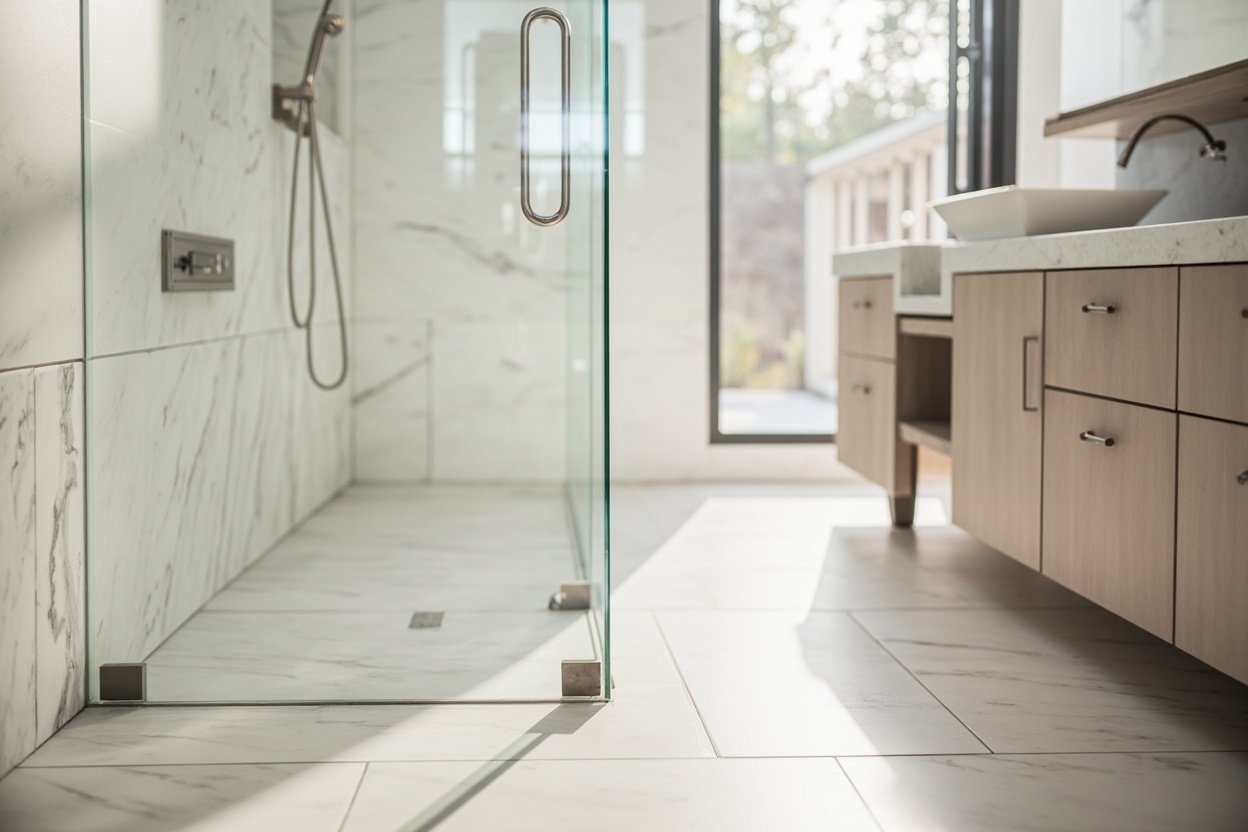
- Low-threshold or curbless entries. These designs improve accessibility and create a clean, contemporary look that works well in both minimalist renovations and classically styled bathrooms.
- Custom niches and shelving. Maximizing storage without sacrificing space is essential in smaller Boston bathrooms. Recessed shelving in the shower wall keeps toiletries organized without encroaching on the room.
- Premium tile options. From classic subway tile to natural stone and large-format porcelain panels, the right tile sets the tone for the entire bathroom.
- Frameless glass enclosures. A frameless glass panel opens up the visual space, which is especially valuable in compact bathrooms where every visual line matters.
Every choice should reflect how your household uses the space daily, not just how it looks in a photograph. Your contractor’s experience with Greater Boston homes gives them insight into what works in rooms with slanted ceilings, limited natural light, and older infrastructure.
Making the Right Investment for Your Home
A tub to shower conversion is more than a cosmetic update. Done properly, it resolves long-standing functional problems, improves the safety and usability of your bathroom, and contributes to your home’s overall market appeal. In competitive neighborhoods across Middlesex and Norfolk Counties, bathroom quality is a meaningful factor for buyers evaluating a property.
The key is working with a contractor who understands the specific challenges of Boston-area construction and treats every stage of the project, from planning through waterproofing, with equal care.
Ready to plan? Visit our bathroom remodeling page for Free, no-obligation estimate
When planning your tub to shower conversion boston, focus on clear scope, proper waterproofing, and smart layout choices.