
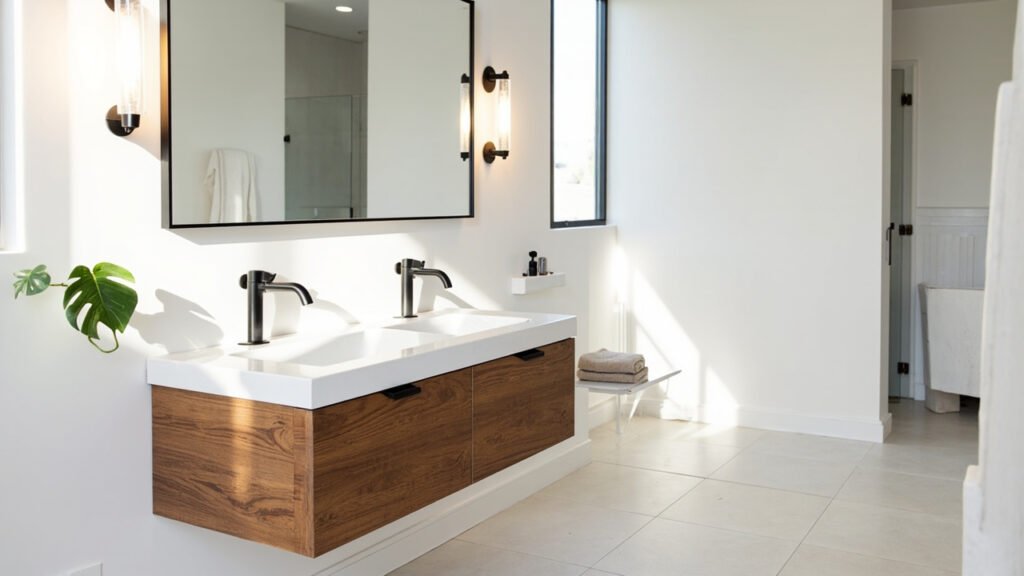
Planning a bathroom renovation in Boston requires careful consideration of local building codes, architectural constraints, and climate-specific challenges. Whether you are updating a historic Back Bay brownstone or modernizing a colonial home in Cambridge, understanding these key factors will help ensure your project succeeds. Bath Design Boston serves homeowners throughout Greater Boston, Middlesex County, and Norfolk County with professional bathroom remodeling services tailored to our region’s unique housing stock.
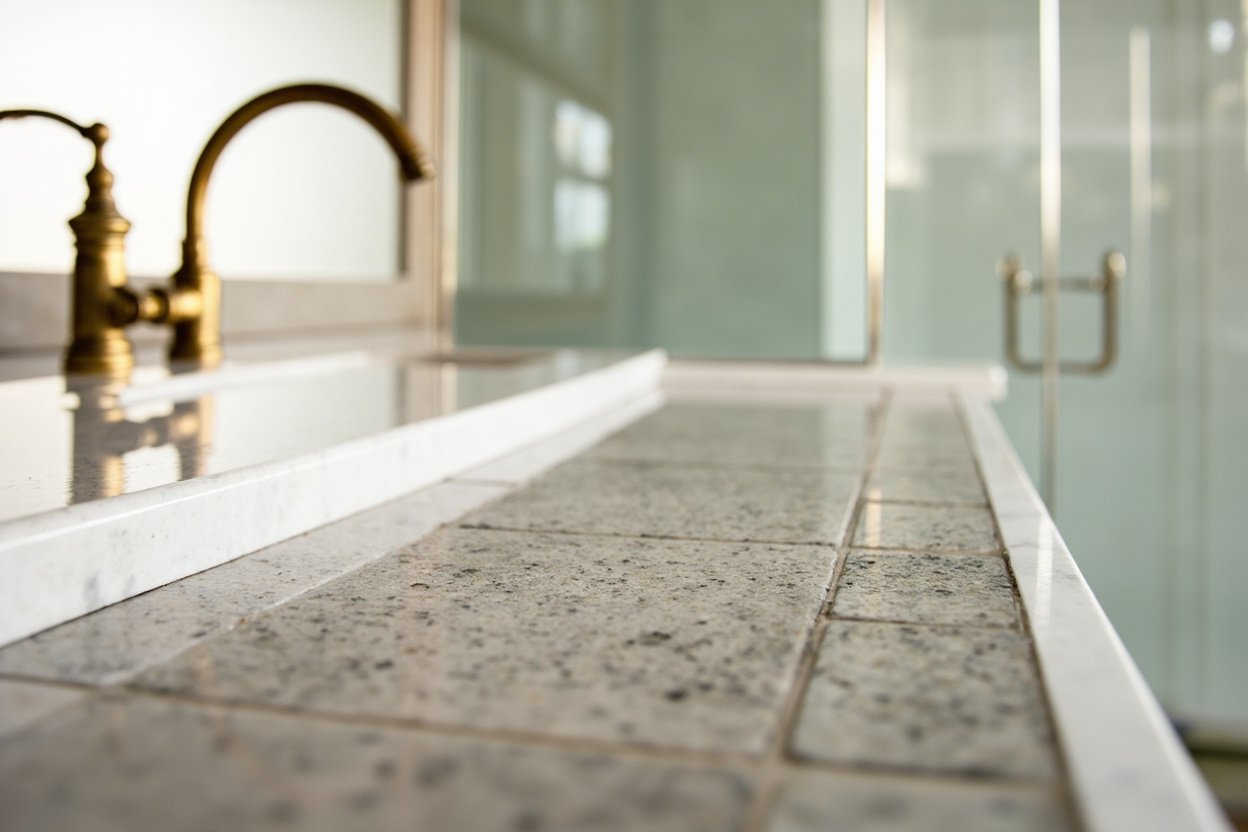
Assessing Your Boston Bathroom Renovation Needs
The first step in any successful bathroom remodel is determining your goals and priorities. Consider how your household uses the space daily. Do you need more storage, better lighting, or improved functionality? Walk-in showers have become increasingly popular among Boston homeowners looking to increase accessibility and create a spa-like atmosphere. Tub-to-shower conversions work well for those who prefer quick, convenient bathing options and can significantly update an older bathroom’s appearance.
For powder rooms, the focus often shifts to maximizing visual impact in a compact space. Custom tile work, statement vanities, and thoughtful lighting can transform these smaller bathrooms into impressive areas that leave a lasting impression on guests. Full bathroom remodels provide the opportunity to address multiple concerns simultaneously, from layout reconfiguration to complete fixture replacement.
Common Challenges in Boston Bathroom Renovations
Boston’s housing inventory presents specific challenges that experienced contractors understand how to navigate. Many homes in our service area were built in the nineteenth or early twentieth centuries, meaning bathroom renovations often encounter dated plumbing systems, unconventional floor plans, and structural limitations that newer construction does not present.
Layout constraints frequently require creative solutions. Historic homes may have load-bearing walls in unexpected locations, limiting where plumbing can be rerouted. Smaller bathrooms in urban apartments and condos may lack sufficient ventilation or natural light, requiring specialized approaches to moisture management and brightness enhancement.
Waterproofing becomes particularly critical in Boston’s climate. Proper membrane installation, adequate ventilation system design, and attention to detail around fixtures and penetrations help prevent the moisture problems that plague older bathrooms. These issues are especially important in multi-story buildings where water damage can affect neighbors below.
The Bathroom Remodeling Process
Professional bathroom remodeling typically follows a structured approach that minimizes disruption to your household. Initial consultations allow contractors to understand your vision, assess existing conditions, and identify potential obstacles. Detailed planning includes selecting materials, finalizing layouts, and establishing realistic expectations for the project scope.
The construction phase involves coordinated trades including plumbers, electricians, tilers, and finish specialists. Experienced contractors manage these relationships to maintain schedules and ensure quality workmanship throughout. A well-organized project timeline accounts for material lead times, drying periods between certain applications, and necessary inspections required by local building departments.
Popular upgrades during the remodeling process include:
- Walk-in showers with frameless glass enclosures and custom tile surrounds
- Custom vanities with quartz or granite countertops
- Heated flooring systems for comfort during Boston winters
- LED lighting upgrades for energy efficiency and ambiance
- Improved ventilation systems to manage humidity
- Smart fixtures including touchless faucets and digital shower controls
Permits and Building Codes in Greater Boston
Bathroom renovations in Boston and surrounding communities typically require permits, particularly when electrical work, plumbing modifications, or structural changes are involved. Each municipality has specific requirements that must be met, and failure to obtain proper permits can result in complications when selling your home or addressing future issues.
Ventilation requirements are strictly enforced, as proper exhaust systems are essential for controlling moisture in our climate. Building inspectors will verify that exhaust fans meet specified cubic feet per minute ratings relative to room size. Window specifications and alternative ventilation solutions must comply with current codes.
Water-efficient fixtures are increasingly required by code, which benefits both the environment and your utility bills. Low-flow toilets, aerated faucets, and water-smart showerheads help reduce consumption while maintaining performance standards.
Choosing the Right Bathroom Contractor
Selecting a contractor for your Boston-area bathroom renovation involves more than comparing prices. Look for established companies with experience in your specific type of home and neighborhood. Ask about their approach to older construction, their relationships with local suppliers, and their familiarity with municipal permitting processes.
Clear communication throughout the project prevents misunderstandings and ensures your expectations are met. Professional contractors provide detailed proposals outlining scope, materials, timelines, and expectations for the construction process. They should be willing to explain their methods and answer questions about specific techniques, particularly regarding waterproofing and moisture management in our climate.
Review portfolios of completed projects, paying attention to work in homes similar to yours. Before-and-after photos reveal the quality of craftsmanship and design capability. References from recent clients provide insight into the day-to-day experience of working with a particular contractor.
Making the Most of Your Investment
A thoughtfully planned bathroom renovation offers excellent return on investment for Boston homeowners. Beyond improved aesthetics and functionality, updates address maintenance concerns, reduce utility costs, and enhance daily comfort. Strategic selections in materials and fixtures ensure long-term durability despite heavy use and humid conditions.
Energy-efficient upgrades benefit both your budget and the environment. Modern lighting, efficient water fixtures, and improved insulation around pipes and fixtures reduce operating costs while increasing home comfort. These improvements align with Boston’s sustainability goals and may qualify for local incentive programs.
Ready to plan? Visit our bathroom remodeling page for Free, no-obligation estimate
When planning your bathroom renovation boston, focus on clear scope, proper waterproofing, and smart layout choices.