
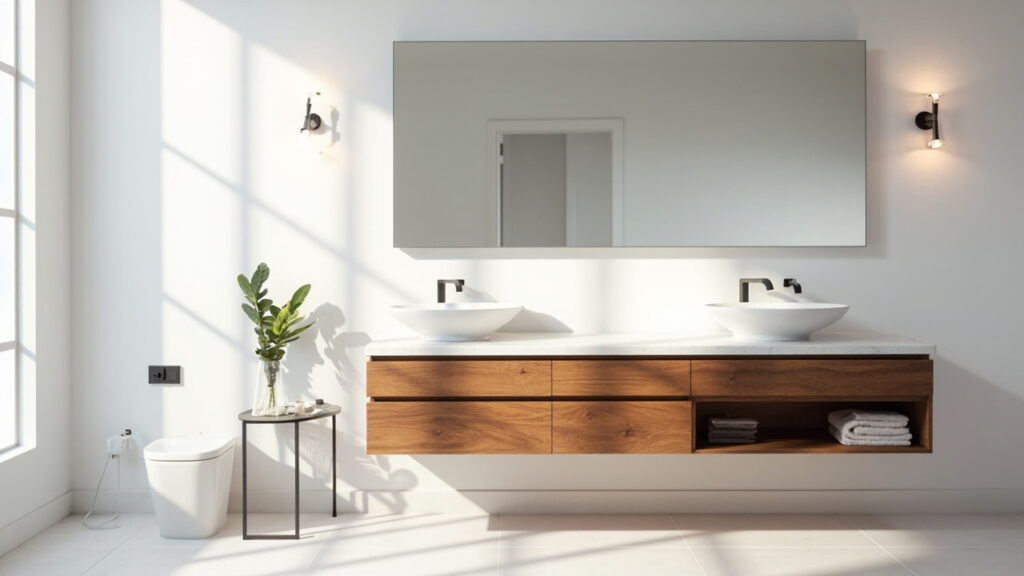
When it comes to bathroom remodeling in Greater Boston, tile installation stands as one of the most important decisions you will make for your renovation. Quality bathroom tile installation not only transforms the look of your space but also protects your home from moisture damage, which is particularly critical in Boston’s older housing stock. Whether you are planning a complete bathroom remodel in Cambridge, updating a powder room in Newton, or tackling a tub-to-shower conversion in Quincy, understanding the tile installation process helps you make informed choices for your home.
Why Tile Installation Matters in Boston Homes
Boston’s distinctive architecture includes countless historic homes with unique layout constraints that modern bathroom renovations must work around. Unlike newer construction, many homes in Middlesex County and Norfolk County feature uneven subfloors, solid wood construction, and plumbing that was not designed for today’s bathroom layouts. These factors make professional bathroom tile installation in Boston more complex than in newer developments.
Proper tile installation requires attention to several critical factors that go beyond simple aesthetics. Waterproofing represents perhaps the most crucial consideration, especially in bathrooms where moisture exposure is constant. Without proper waterproofing behind your tiles, water can seep into wall cavities and subfloors, leading to mold growth, wood rot, and costly structural repairs. This is particularly important in Boston’s humid summers when bathroom ventilation becomes even more critical.
Planning Your Bathroom Tile Project in Greater Boston
Before selecting tiles for your Boston bathroom remodel, take time to assess your space and understand your goals. Consider these essential planning elements:
- Assess your existing layout – Determine whether your current bathroom layout meets your needs or requires reconfiguration
- Evaluate ventilation options – Ensure your bathroom can accommodate proper exhaust ventilation to protect your tile work
- Consider moisture barriers – Plan for appropriate waterproofing systems behind all tile installations
- Match tiles to your lifestyle – Choose materials that balance aesthetics with practical maintenance requirements
- Plan for older home quirks – Account for out-of-square walls and non-standard dimensions common in historic properties
Custom tile work often becomes necessary when working with older Boston homes. Standard tile layouts may not align with existing walls, and creative solutions such as accent borders, mixed materials, or custom-cut pieces can address these challenges while adding character to your renovation.
Popular Tile Options for Boston Bathroom Remodels
Greater Boston homeowners have access to an impressive range of tile materials, each offering distinct advantages for bathroom applications. Understanding these options helps you select the right materials for your specific needs.
Porcelain tile remains the most popular choice for bathroom floors and walls due to its durability, water resistance, and design versatility. Modern porcelain can convincingly mimic natural stone, hardwood, and even concrete while offering superior performance in wet environments. For walk-in showers and tub surrounds, large-format porcelain panels have become increasingly popular, reducing grout lines and creating a sleek, contemporary appearance.
Natural stone tiles including marble, granite, and slate bring timeless elegance to Boston bathrooms. However, stone requires more maintenance than porcelain and typically needs periodic sealing to prevent staining. Marble remains particularly popular for master bathroom renovations in affluent neighborhoods throughout Norfolk County and surrounding areas.
Ceramic tile offers an affordable option for wall applications and backsplashes. While not as durable as porcelain for floor use, quality ceramic tiles provide excellent value for powder rooms and guest bathrooms where traffic levels are lower.
Mosaic and accent tiles allow homeowners to add visual interest through color, texture, and pattern. These smaller tiles work beautifully for shower niches, border strips, and feature walls, enabling you to incorporate personality into your bathroom design without overwhelming the space.
The Installation Process: What to Expect
Professional bathroom tile installation involves several stages that ensure long-lasting results. Understanding this process helps you prepare for your renovation and recognize quality workmanship when you see it.
The process typically begins with subfloor preparation, which may include repairing damaged plywood, installing cement backer board, or addressing moisture issues in older homes. In Boston’s historic properties, this stage often reveals hidden damage that requires attention before tile installation can proceed.
Next comes waterproofing, an essential step that protects your investment. Professional installers apply liquid waterproof membranes or sheet systems behind the tile in all wet areas. This step is non-negotiable for walk-in showers and tub-to-shower conversions where water exposure is highest.
Layout planning follows, where installers determine tile placement to maximize visual appeal while minimizing cuts. Experienced professionals consider sight lines, lighting, and how tiles will interact with other design elements in your bathroom.
The actual installation involves applying thin-set mortar, setting tiles precisely, and allowing adequate curing time. Grouting follows after the mortar sets, with careful attention to joint spacing and color selection. Finally, sealing and caulking complete the installation, ensuring moisture cannot penetrate at edges and corners.
Making the Most of Your Boston Bathroom Renovation
Successful bathroom tile installation in Boston requires balancing aesthetic vision with practical considerations specific to our region. Older homes throughout Middlesex County and Norfolk County present unique challenges that demand experienced professionals who understand local construction methods and building codes.
When selecting a contractor for your bathroom remodeling project, look for professionals who demonstrate thorough waterproofing practices, experience with Boston’s housing stock, and clear communication throughout the project. The lowest bid rarely represents the best value when it comes to tile installation, where quality materials and skilled craftsmanship directly impact longevity and performance.
Consider how your tile choices will age in Boston’s climate. Humid summers and cold winters create thermal cycling that stresses building materials. Quality installation techniques account for these conditions, ensuring your bathroom maintains its beauty for years to come.
Ready to plan? Visit our bathroom remodeling page for Free, no-obligation estimate
When planning your bathroom tile installation boston, focus on clear scope, proper waterproofing, and smart layout choices.