
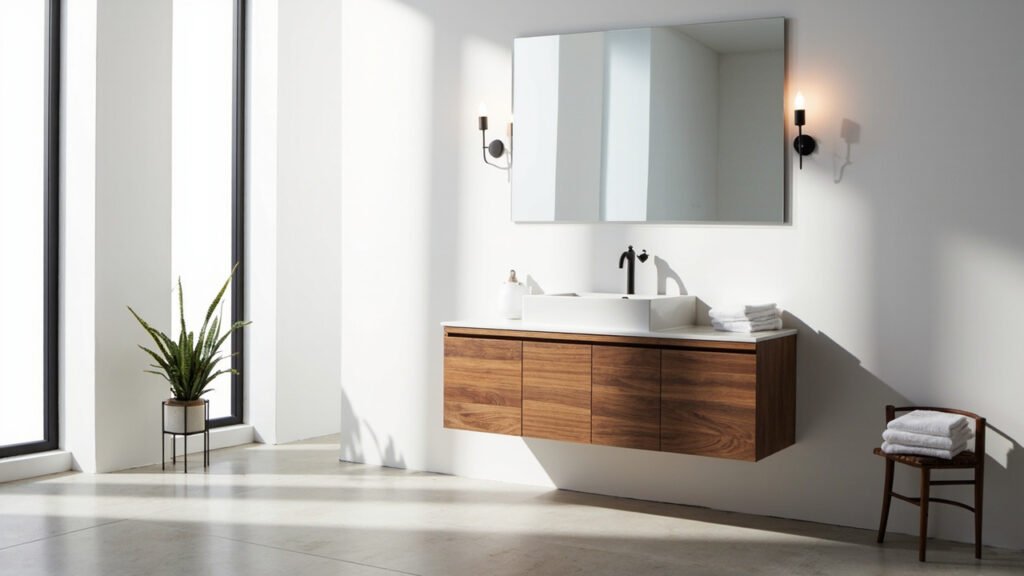
When it comes to bathroom vanity installation in Boston, homeowners face unique challenges that differ significantly from new construction projects in other parts of the country. Whether you are renovating a historic Back Bay brownstone, updating a mid-century ranch in Newton, or modernizing a contemporary condo in Cambridge, understanding the specific considerations for vanity installation in Greater Boston homes can save you time, money, and frustration. This guide walks you through everything you need to know before your bathroom remodel begins.
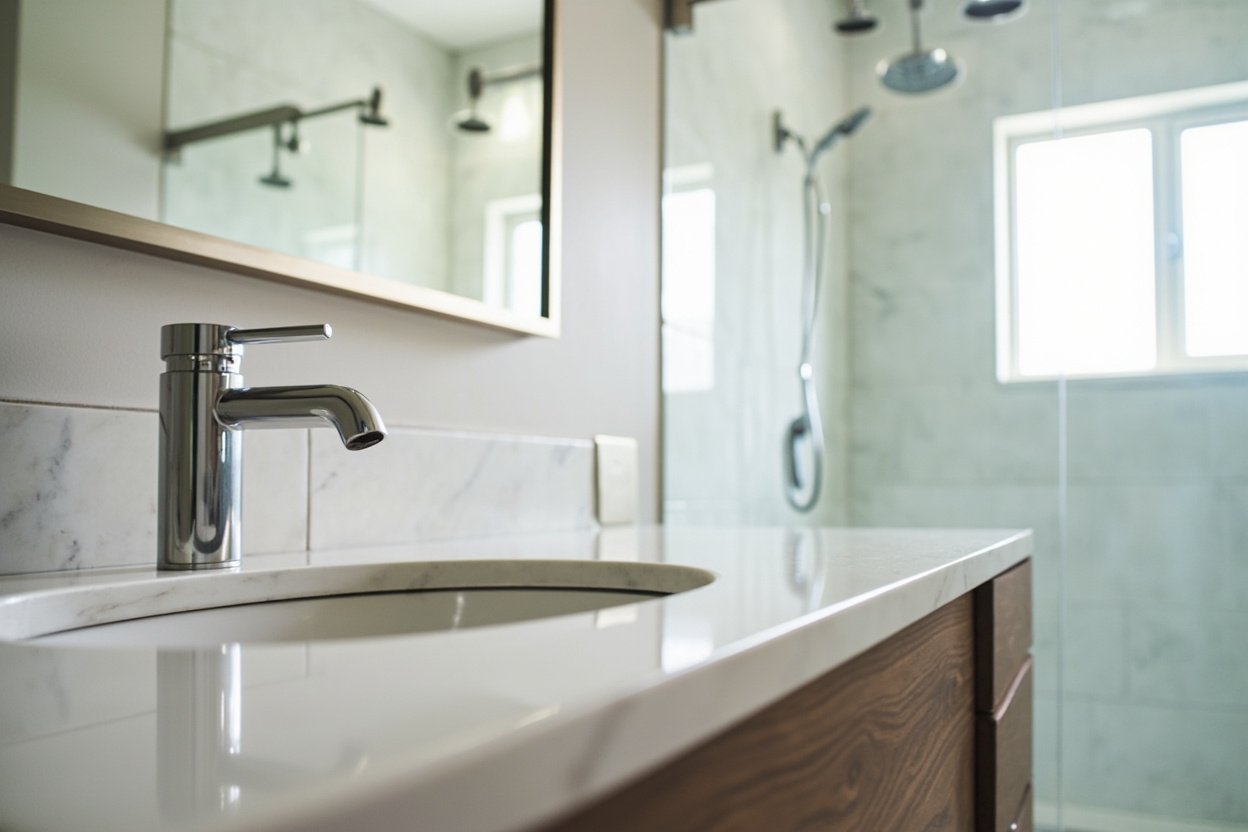
Understanding Boston’s Older Home Infrastructure
Greater Boston is known for its charming historic architecture, but those period details often come with plumbing and electrical systems that require careful handling. Many homes in Middlesex County, Norfolk County, and the surrounding areas were built with plumbing systems that do not meet modern standards. During vanity installation, we frequently encounter galvanized steel pipes that need replacement, outdated wiring that requires updating, and subfloors that have sustained water damage over decades.
Before your vanity installation begins, a thorough assessment of your existing infrastructure is essential. We inspect the water supply lines, drain connections, and electrical outlets to identify any issues that could compromise your new vanity. In older homes especially, moving plumbing fixtures often involves navigating load-bearing walls and coordinating with local building codes that may require permits for significant changes.
Choosing the Right Vanity Size for Boston Bathrooms
Boston-area bathrooms frequently present layout constraints that homeowners in newer developments never encounter. Ceiling heights can vary dramatically between historic and modern construction, and rooms often feature alcoves, sloped ceilings, or odd angles that make standard vanity sizing challenging. Custom vanities frequently become the best solution when working within these unique spatial limitations.
When selecting your vanity, consider the traffic flow in your bathroom and ensure that cabinet doors and drawers can open fully without obstruction. Standard vanity heights range from 30 to 36 inches, but accessible designs for Universal Design compliance may require different measurements. We help homeowners in the Greater Boston area find vanities that maximize storage while respecting the architectural character of their homes.
Waterproofing: The Critical Step You Cannot Skip
Massachusetts experiences significant humidity fluctuations throughout the year, and proper waterproofing around your bathroom vanity is non-negotiable. Water damage from leaks or excessive moisture is one of the most common issues we address during bathroom remodels in Norfolk County and beyond. Even small amounts of water seepage behind or beneath a vanity can lead to mold growth, wood rot, and costly structural repairs.
Our installation process includes comprehensive waterproofing measures such as moisture barriers behind the vanity, proper sealing around plumbing connections, and ventilation improvements when needed. We pay special attention to the areas around sinks and faucets where water exposure is most frequent. This attention to detail ensures your vanity installation stands up to Boston’s humid summers and cold, variable winters.
Ventilation Considerations for Boston Homes
Proper bathroom ventilation is crucial in the Greater Boston area, where older homes often lack adequate exhaust systems. Without effective ventilation, moisture from showers and sinks accumulates on walls, mirrors, and vanity surfaces, leading to premature wear and potential water damage. During your bathroom remodel, we evaluate your current ventilation setup and recommend improvements that work with your home’s existing structure.
Installing or upgrading an exhaust fan during vanity installation is often a wise investment. Modern energy-efficient models operate quietly and effectively remove excess moisture from the air. We also advise on natural ventilation strategies and recommend maintenance schedules that keep your bathroom dry and your vanity looking its best for years to come.
The Installation Process: What to Expect
Professional vanity installation involves several critical steps that ensure lasting results. Our process includes careful measurement and templating, coordination with plumbers and electricians as needed, and meticulous attention to sealing and anchoring. We understand that Boston homeowners value their time, which is why we work efficiently while maintaining the highest standards of craftsmanship.
Depending on your project scope, installation may involve removing your existing vanity, repairing wall and floor surfaces, installing new plumbing rough-ins if you are changing the vanity location, and completing all finishing work to match your bathroom’s aesthetic. We take special care with historic homes, preserving original details while updating functionality to modern standards.
Making the Most of Your Bathroom Remodel
A vanity installation is often the starting point for a larger bathroom transformation. Many homeowners in Middlesex County choose to combine vanity replacement with complementary upgrades such as custom tile work, walk-in shower installations, or tub-to-shower conversions. Coordinating these projects together allows for efficient scheduling and often results in cost savings compared to tackling each element separately.
Consider how your vanity interacts with other elements of your bathroom design. Lighting placement, mirror positioning, and backsplash design all affect how functional and attractive your vanity area becomes. We work with homeowners to create cohesive designs that enhance both the practical use and visual appeal of their bathrooms.
Ready to plan? Visit our bathroom remodeling page for Free, no-obligation estimate
When planning your bathroom vanity installation boston, focus on clear scope, proper waterproofing, and smart layout choices.