
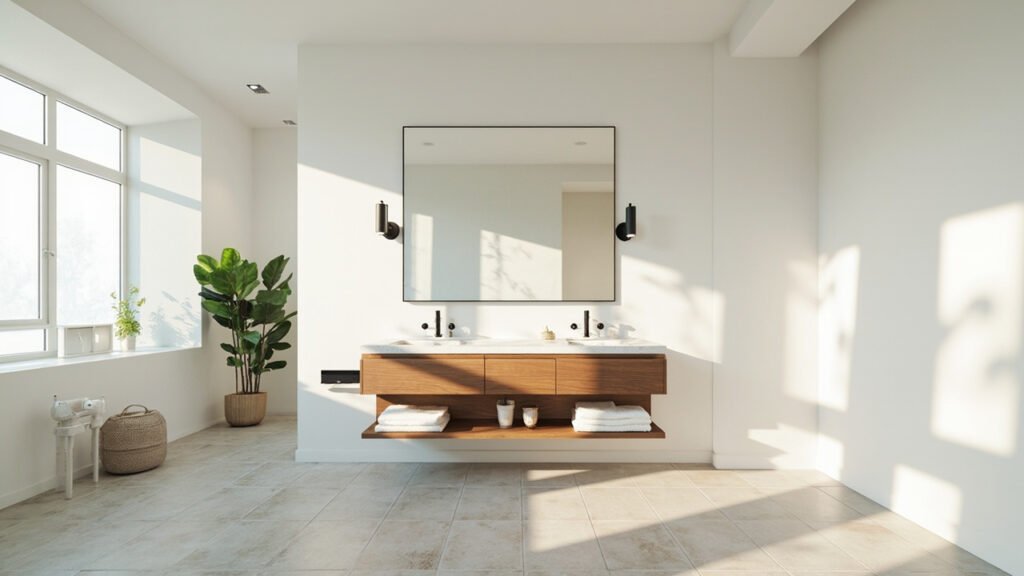
Planning a full bathroom remodel in Boston requires careful consideration of the city’s unique housing characteristics. Whether you own a historic brownstone in Back Bay, a Colonial in Newton, or a mid-century home in Lexington, understanding the process helps ensure your project succeeds. This guide walks you through what to expect when undertaking a comprehensive bathroom renovation in the Greater Boston area.
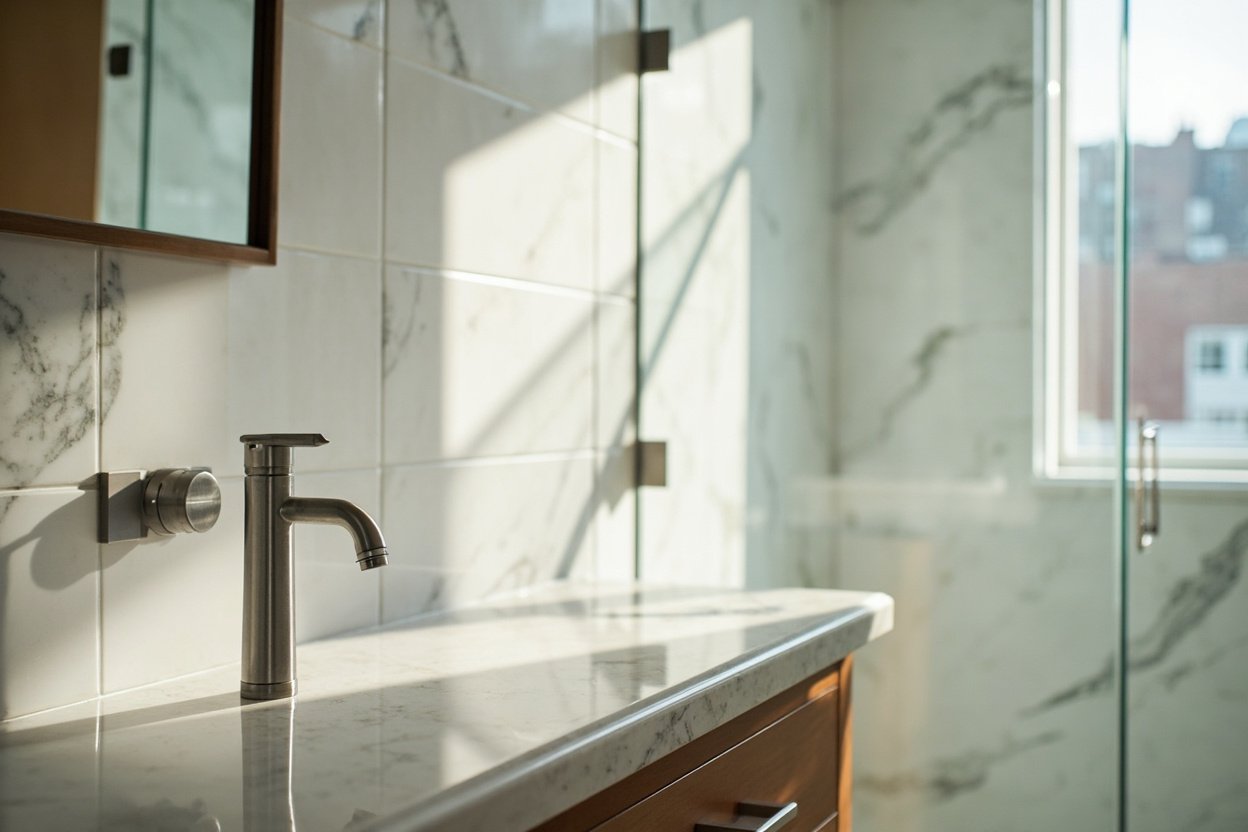
Understanding Boston’s Unique Bathroom Challenges
Boston-area homes present distinct challenges that differ from newer construction elsewhere. Many properties were built in the late 19th or early 20th century, meaning outdated plumbing, insufficient ventilation systems, and layout constraints that require creative solutions. A full bathroom remodel in Boston often involves addressing these legacy issues while updating the space to meet modern standards.
Ventilation proves particularly critical in Boston’s humid climate. Without proper exhaust systems, bathrooms develop moisture problems that lead to mold growth and structural damage. Professional contractors understand that installing adequate ventilation requires matching exhaust fans to room size and ensuring proper ductwork routing to the exterior—an often-overlooked detail in older homes.
Layout constraints also shape every renovation decision. Historic homes feature smaller footprints, load-bearing walls in inconvenient locations, and plumbing stacks that limit where fixtures can be placed. Successful Boston bathroom remodels work within these parameters rather than against them, preserving the home’s character while maximizing functionality.
The Full Bathroom Remodel Process
A comprehensive bathroom renovation unfolds through several distinct phases. Understanding these stages helps homeowners prepare for each step and maintain realistic expectations throughout the project.
Initial consultation involves discussing your vision, assessing the existing space, and identifying structural or mechanical issues that must be addressed. This phase establishes budget parameters and outlines which elements require replacement versus renovation.
Design development follows, where choices regarding fixtures, finishes, and layout modifications take shape. Decisions about vanities, walk-in showers, tile selections, and lighting occur during this phase. For walk-in shower installations, considerations include curbless entries, glass enclosures, and waterproofing systems that prevent leaks to lower floors.
Construction begins with demolition, removing existing fixtures, flooring, and any damaged subflooring or wall structures. Plumbing and electrical rough-ins happen next, often requiring permits from local building departments in Middlesex County, Norfolk County, and Boston proper. This stage addresses the hidden infrastructure—pipes, wiring, and ventilation—that determines long-term performance.
Installation follows, including new fixtures, custom tile work, vanity placement, and finishing details. A quality remodel includes proper waterproofing throughout wet areas, particularly around showers and tubs. Final inspections verify compliance with local codes before the space becomes operational.
Popular Upgrades for Boston Bathrooms
Several renovation types consistently rank among the most requested improvements in Greater Boston homes:
- Tub-to-shower conversions that open up floor space and improve accessibility, particularly valued in homes where aging in place is a consideration
- Custom tile installations featuring durable materials like porcelain or natural stone that withstand New England humidity
- Custom vanities sized to fit available space, often replacing generic builder-grade units that waste valuable square footage
- Double-sink configurations for shared bathrooms, requiring plumbing modifications that older homes may need
- Heated flooring systems that combat cold tile surfaces during Massachusetts winters
- Water-efficient fixtures that reduce utility costs while maintaining strong performance
Powder rooms receive attention in many renovations too, with homeowners updating these high-visibility spaces with contemporary finishes and fixtures that make strong impressions on guests.
Why Professional Installation Matters
DIY bathroom work or hiring unqualified contractors leads to problems that cost far more to repair than the original project. Water damage from improper waterproofing creates mold issues requiring remediation. Faulty plumbing connections cause leaks that damage ceilings and floors. Improper ventilation installations fail to remove moisture effectively.
Professional contractors bring specialized knowledge of Boston’s building codes and permit requirements. They understand how to work with cast iron drains, galvanized pipes, and other legacy systems common in older Greater Boston homes. Their work includes proper permits, inspections, and documentation that protect your investment.
Quality installation also affects long-term maintenance costs. Fixtures installed correctly perform better and last longer. Waterproofing systems installed to manufacturer specifications prevent callbacks and costly repairs. The difference between professional work and shortcuts becomes apparent within the first few years of use.
Making Your Boston Bathroom Vision Reality
A full bathroom remodel in Boston represents a significant investment in your home. Working with experienced contractors who understand local conditions ensures the process proceeds smoothly and delivers results that enhance your daily life. From historic renovations in Cambridge to modern updates in Brookline, professional craftsmanship transforms outdated bathrooms into spaces that function beautifully for decades.
Ready to plan? Visit our bathroom remodeling page for Free, no-obligation estimate
When planning your full bathroom remodel boston, focus on clear scope, proper waterproofing, and smart layout choices.