
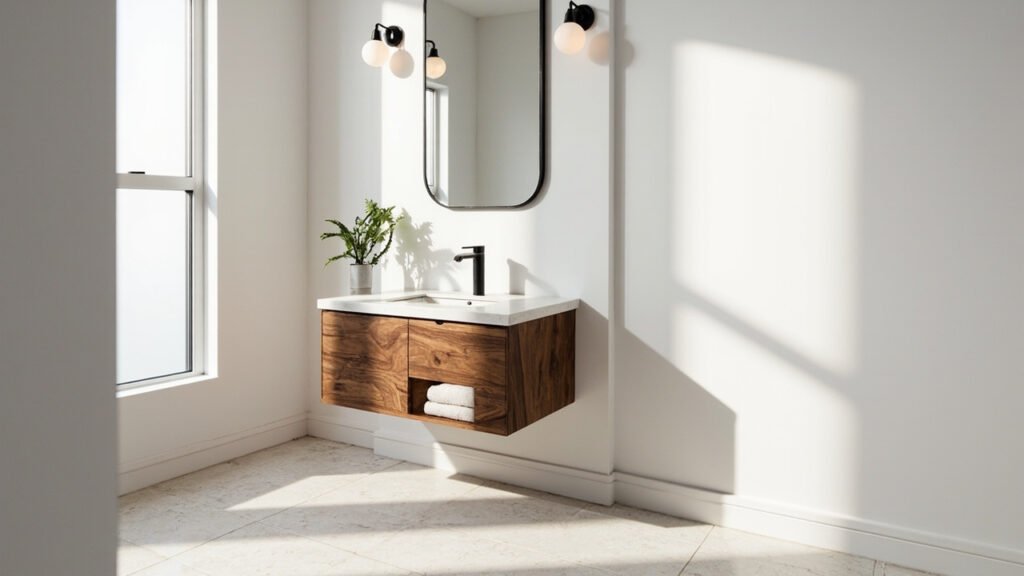
A powder room remodel in Boston presents unique opportunities and challenges that differ significantly from other areas of the country. Whether your Colonial Revival home in Beacon Hill dates back to the 1890s or your split-level in Newton was built in the 1960s, these compact half-bath spaces require careful planning to maximize both function and visual appeal. Understanding the specific considerations for Boston-area older homes helps homeowners make informed decisions before construction begins.
Understanding Boston’s Older Home Architecture
Greater Boston’s housing stock includes some of the oldest residential buildings in the country, which means powder room remodels often involve working with non-standard layouts, aging infrastructure, and structural constraints that newer constructions simply do not face. Many Boston-area homes feature narrow hallways, steep staircases, and rooms with sloped floors or low ceilings that can complicate installation of new plumbing fixtures and ventilation systems.
Before beginning any powder room renovation, Bath Design Boston recommends a thorough assessment of your existing plumbing configuration. Running new drain lines and water supply pipes through century-old walls frequently requires creative solutions, and sometimes collaboration with structural engineers to ensure modifications do not compromise the integrity of your home’s framing.
Ventilation Requirements for Massachusetts Bathrooms
Proper ventilation ranks among the most critical considerations for any powder room remodel in the Greater Boston, Middlesex County, Norfolk County region. Massachusetts building codes mandate specific ventilation rates for bathrooms, and failure to meet these requirements can lead to moisture damage, mold growth, and potential issues during home inspections.
Boston’s humidity levels, particularly during summer months, create conditions where excess moisture can quickly damage walls, ceilings, and flooring. Effective ventilation strategies typically include:
- Installing high-performance exhaust fans rated for the square footage of your space
- Ensuring ductwork properly vents to the exterior rather than into attics or crawlspaces
- Selecting fans with humidity sensors that activate automatically when moisture levels rise
- Incorporating timer switches to allow continued ventilation after the room is vacated
Waterproofing Fundamentals for Half-Bath Spaces
While powder rooms lack the extensive water exposure of full bathrooms, waterproofing remains essential for protecting your investment. The toilet, sink, and associated plumbing connections all present potential leak points that can cause significant damage if moisture penetrates surrounding structures.
Professional waterproofing in a Boston powder room remodel typically involves several layers of protection. Installing cement backer board behind tile surfaces provides a stable, water-resistant substrate. Applying liquid waterproof membranes creates seamless barriers that prevent moisture infiltration. Using sealing products around all plumbing penetrations ensures long-term protection against water damage.
Given the age of many Boston-area homes, checking for existing water damage or rot in wall studs and subflooring before finishing work begins saves considerable expense and headache down the road. Bath Design Boston always includes comprehensive moisture barrier installation as part of standard powder room remodeling packages.
Maximizing Limited Space in Compact Powder Rooms
Boston-area homes frequently feature powder rooms tucked into tight corners, under staircases, or into former closets. Making the most of these constrained spaces requires thoughtful fixture selection and strategic design choices that enhance perceived size without sacrificing functionality.
Wall-mounted sinks and toilets free up valuable floor space, making small powder rooms feel more open. Pedestal sinks eliminate bulky vanities while providing adequate clearance for most users. Corner-mounted fixtures can optimize awkward alcoves that might otherwise go unused.
Lighting plays a crucial role in how compact bathrooms feel. Recessed lighting, wall sconces, and strategic mirror placement all contribute to creating an illusion of space. Mirrors positioned opposite each other effectively double the perceived size of a room, while warm lighting temperatures create welcoming atmospheres in these intimate spaces.
Material Selections for Boston Climate Considerations
Material choices for powder room remodels should account for Boston’s distinct seasonal variations. Temperature fluctuations between humid summers and cold, dry winters affect how different materials perform over time. Moisture-resistant flooring options prove particularly important given the condensation and humidity that bathroom spaces generate.
Ceramic and porcelain tile offer excellent durability and moisture resistance, making them popular choices for powder room floors and accent walls. Luxury vinyl flooring provides waterproof performance with softer underfoot feel. Natural stone tiles add elegance but require sealing to maintain their appearance in bathroom environments.
For walls, moisture-resistant drywall or cement board provides stable substrates for paint or tile finishes. Semi-gloss or high-gloss paint finishes resist moisture penetration and clean easily. Tile wainscoting protects lower wall sections while adding visual interest and texture to the space.
Design Trends for Boston-Area Powder Rooms
Contemporary powder room design in the Boston area balances traditional New England aesthetics with modern functionality. Many homeowners embrace clean, minimal designs that complement the architectural character of older homes while providing the convenience and efficiency that contemporary lifestyles demand.
Popular design directions include:
- Classic white subway tile paired with brushed nickel fixtures for timeless appeal
- Bold geometric patterns and contemporary lighting fixtures for statement-making spaces
- Natural materials including stone and wood that connect interiors to Boston’s coastal and woodland surroundings
- Vintage-inspired fixtures and hardware that honor historical home architecture
Working with Professional Remodeling Contractors
A successful powder room remodel in the Greater Boston area requires coordination between multiple trades and careful attention to detail at every stage. Licensed contractors familiar with Boston building codes, permit requirements, and local housing conditions provide invaluable guidance throughout the renovation process.
Bath Design Boston specializes in powder room renovations throughout Greater Boston, Middlesex County, and Norfolk County. Our team understands the unique characteristics of regional home construction and brings proven expertise to every project, from initial design through final installation.
Professional contractors handle coordination with plumbers, electricians, and other specialists while ensuring all work meets Massachusetts building standards. This comprehensive approach minimizes disruption to your household and delivers results that enhance both the function and value of your home.
Ready to plan? Visit our bathroom remodeling page for Free, no-obligation estimate
When planning your powder room remodel boston, focus on clear scope, proper waterproofing, and smart layout choices.