
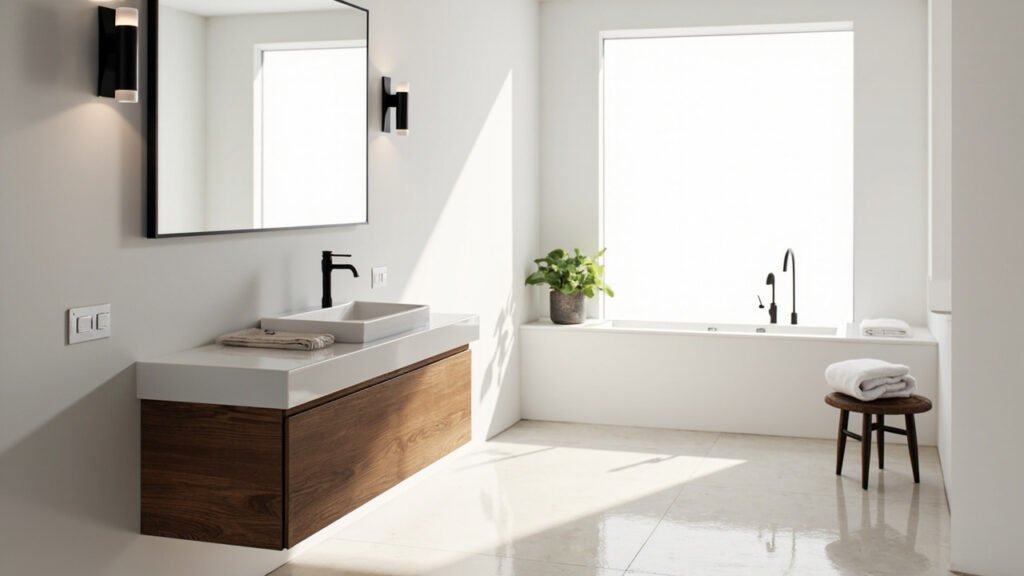
More Boston homeowners are discovering that a tub to shower conversion is one of the smartest upgrades they can make for their bathroom. Whether you’re dealing with an outdated alcove tub in a historic Back Bay condo or a deteriorating fiberglass unit in a 1970s Colonial in Newton, converting to a walk-in shower brings modern convenience, improved accessibility, and lasting value to your home. At Bath Design Boston, we specialize in complete tub-to-shower conversions throughout Greater Boston, Middlesex County, and Norfolk County, helping homeowners transform their bathrooms into spaces that work better for their families.
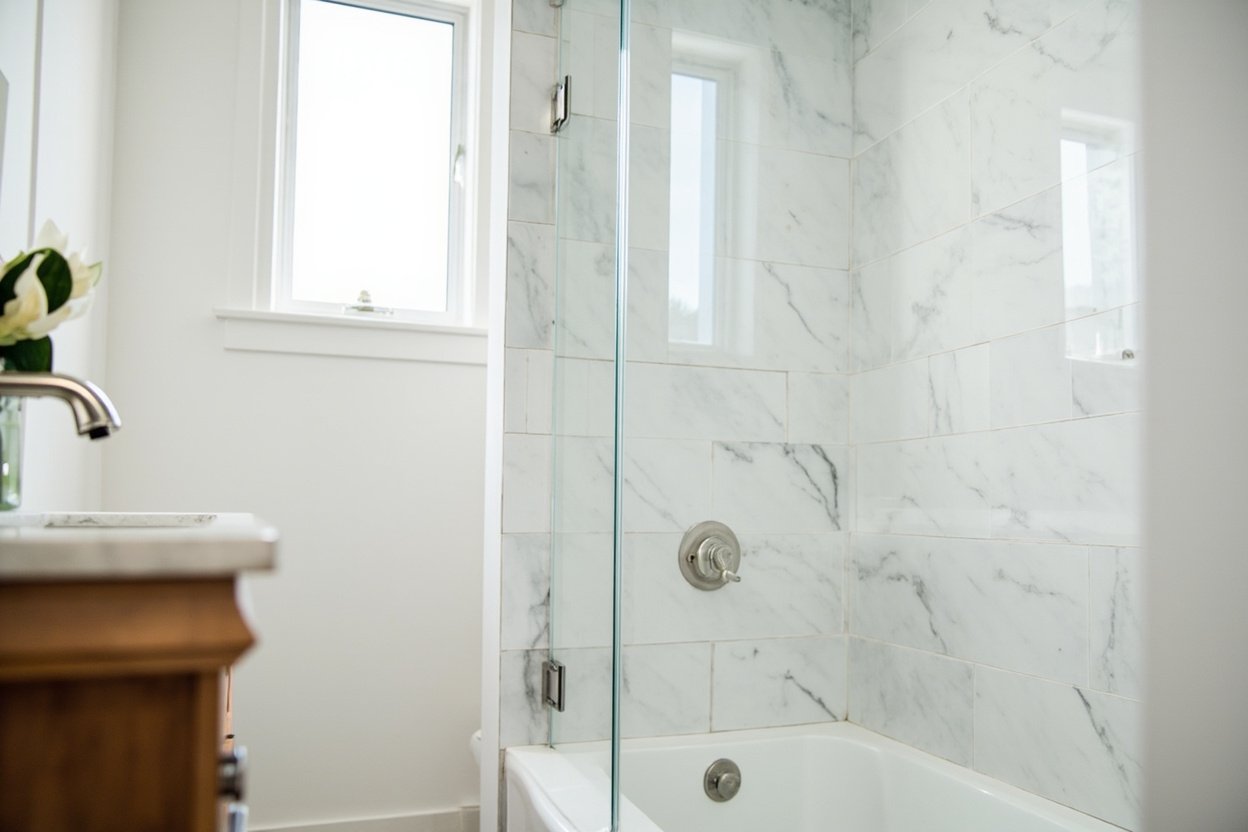
Why Boston Homeowners Are Making the Switch
The classic alcove bathtub that dominated American bathrooms for decades is increasingly being replaced by sleek, accessible walk-in showers. Several factors are driving this trend in the Boston area. First, aging in place has become a priority for many homeowners who want to remain in their homes as they get older. A walk-in shower with a low or curbless entry eliminates the high wall of a traditional tub, reducing fall risk and making bathing more accessible. Second, many Boston-area properties feature smaller bathrooms where a walk-in shower simply makes more efficient use of limited square footage. Third, modern homeowners often prefer the clean, spa-like aesthetic of a well-designed tiled shower over a dated fiberglass unit.
Beyond lifestyle preferences, there are practical considerations. Fiberglass and acrylic tubs installed in the 1980s and 1990s are aging out across the region. When these units develop cracks, stains, or mold issues, a full replacement often makes more sense than patch repairs. A quality tub to shower conversion in Boston delivers lasting results rather than temporary fixes.
What to Expect During Your Tub to Shower Conversion
A professional tub to shower conversion involves several key steps. The process begins with removing the existing tub and any surrounding wall materials. In many Boston homes built before 1980, this may reveal outdated plumbing, damaged subflooring, or aging cast iron drain lines that need attention. Addressing these underlying issues during the conversion prevents future problems and ensures a solid foundation for your new shower.
Next comes the critical phase of waterproofing. Proper waterproofing is essential in Boston’s climate, where humidity levels fluctuate significantly throughout the year. We install complete moisture barriers, cement board backer, and apply professional-grade waterproof membranes around the shower enclosure. This prevents water intrusion behind tile or stone finishes, protecting your investment and your home’s structure.
The shower base installation follows, whether you choose a custom-tiled walk-in shower, a low-threshold acrylic base, or a curbless design for maximum accessibility. Custom tile work then creates the walls and decorative elements, with options ranging from classic subway tile to contemporary large-format porcelain panels. Finally, we install fixtures, glass enclosures or doors, and ensure everything operates correctly before completing the project.
Boston-Specific Considerations: Older Homes and Building Codes
Boston’s distinctive housing stock presents unique challenges and opportunities for tub to shower conversions. Many homes in neighborhoods like Somerville, Cambridge, Brookline, and Quincy were built in the early 20th century with small, awkwardly configured bathrooms. These historic properties often feature plaster walls, outdated electrical wiring, and plumbing that doesn’t meet modern standards. A skilled contractor knows how to work within these constraints while bringing bathrooms up to current code requirements.
Ventilation becomes particularly important in older Boston homes. Tight Victorian-era construction combined with modern humidity sources can lead to moisture problems if bathrooms aren’t properly ventilated. We typically recommend upgrading bathroom exhaust fans during a tub to shower conversion, ensuring adequate airflow to move moist air outside rather than into wall cavities or ceiling spaces.
Building codes in Boston and surrounding municipalities have specific requirements for shower installations, including proper drain connections, water supply line sizing, and fixture spacing. In some cases, especially in condominiums, association approval may be required before work begins. At Bath Design Boston, we handle the permitting process and ensure all conversions meet local building department requirements throughout Greater Boston, Middlesex County, and Norfolk County.
Benefits Beyond Aesthetics
While the visual transformation of a tub to shower conversion is immediately apparent, the benefits extend well beyond appearance. Accessibility ranks among the most significant advantages. A walk-in shower with a low threshold or curbless entry accommodates individuals with mobility challenges, making daily bathing safer and more independent. This proves especially valuable for homeowners planning to age in place or those accommodating family members with limited mobility.
Water efficiency offers another benefit. A typical shower uses less water than filling a bathtub, particularly when paired with a water-efficient showerhead. Over time, this contributes to lower utility bills while maintaining a comfortable bathing experience. Additionally, walk-in showers are generally easier to clean and maintain than tubs with doors, tracks, and curved corners where soap residue and mold accumulate.
From a real estate perspective, updated bathrooms with modern walk-in showers appeal to buyers across the Boston market. Whether you’re planning to sell soon or simply want to enjoy improved functionality, a quality tub to shower conversion adds tangible value to your property.
Is a Tub to Shower Conversion Right for You?
Deciding whether a tub to shower conversion makes sense depends on your specific situation. Consider converting if your existing tub is damaged beyond repair, if you or family members find stepping over a high tub wall difficult, if your bathroom feels dated or cramped, or if you’re preparing your home for future sale. If you have young children who need tub bathing regularly, you might choose to keep at least one tub in the home while converting others.
At Bath Design Boston, we help homeowners throughout Greater Boston evaluate their options and make informed decisions about bathroom remodeling projects. Our team handles everything from initial design consultation through final installation, ensuring quality craftsmanship on every tub to shower conversion we undertake.
Ready to plan? Visit our bathroom remodeling page for Free, no-obligation estimate
When planning your tub to shower conversion boston, focus on clear scope, proper waterproofing, and smart layout choices.