
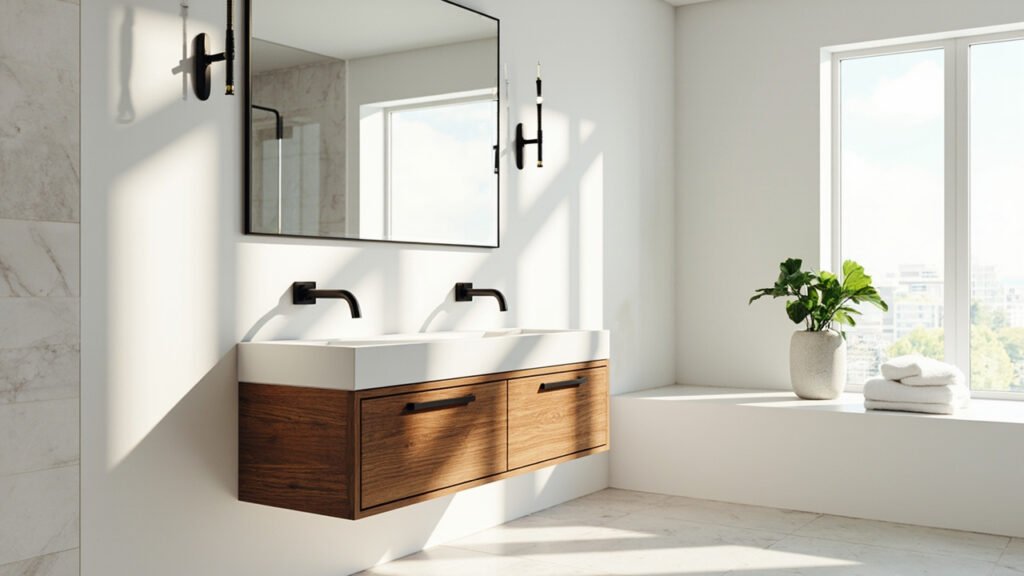
Considering a walk in shower remodel in Boston? You’re not alone. More homeowners across Greater Boston, Middlesex County, Norfolk County, and the surrounding areas are choosing walk-in showers as a centerpiece for their bathroom upgrades. Whether you’re dealing with an aging master bath in a classic triple-decker or renovating a powder room in a newer home, a well-designed walk-in shower can add both function and value to your space.
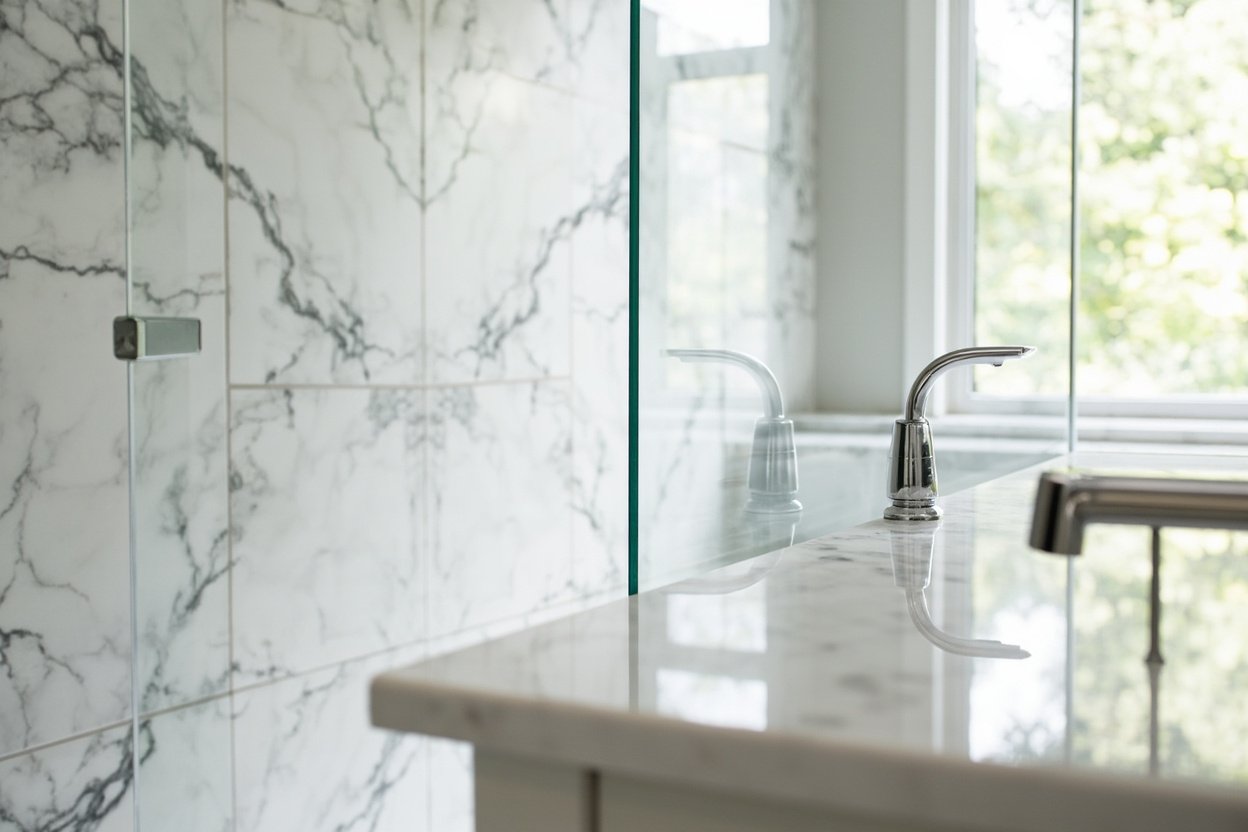
This guide walks you through the key steps, decisions, and local considerations that come with a successful walk-in shower installation in the Boston area.
Why Boston Homeowners Are Choosing Walk-In Showers
The appeal of a walk-in shower goes beyond aesthetics. In older Boston homes, traditional bathtubs often dominate small bathrooms, eating up square footage and creating accessibility challenges as families age. A walk-in shower replaces that bulky tub with a sleek, open design that makes even modest bathrooms feel larger and more modern.
Beyond the visual upgrade, walk-in showers offer practical benefits that matter in New England homes:
- Improved accessibility for homeowners of all ages and mobility levels
- Better use of limited square footage in city apartments and historic homes
- Reduced water pooling and faster drying times with proper slope and drainage
- Easier cleaning compared to traditional tub-and-shower combinations
- Increased resale value in competitive Greater Boston neighborhoods
Planning Your Walk-In Shower Remodel in Greater Boston
Every successful bathroom remodel starts with careful planning. Before tearing out your old tub or shower, take time to assess your current layout, your budget, and the specific challenges your space presents.
Begin by measuring your existing bathroom footprint. Boston-area homes vary widely in age and construction, from narrow Victorian hallways to open-concept suburban baths. Knowing your exact dimensions helps you choose the right shower enclosure, door style, and tile layout. A professional designer or experienced contractor can help you identify options that maximize your space without costly rework.
Next, think about your daily routine. Do you prefer a rainfall showerhead or a handheld spray? Will multiple people use the shower at different heights? Do you need built-in seating or grab bars for long-term accessibility? Answering these questions early prevents mid-project changes that drive up costs.
Boston-Specific Challenges: Older Homes, Ventilation, and Waterproofing
Remodeling a bathroom in the Boston area often means working with an older home, and that comes with a unique set of challenges that experienced local contractors understand firsthand.
Structural and layout constraints are common in historic homes. Wall placement, subfloor conditions, and existing plumbing locations can all affect how a walk-in shower fits into your space. In some cases, relocating a drain or adjusting wall framing adds significant expense, so a thorough pre-renovation inspection is essential.
Ventilation is critical in New England bathrooms. Cold winters mean homes are sealed tight for months at a time, trapping moisture inside. Without proper exhaust ventilation, that moisture leads to mold, peeling paint, and damaged drywall. A quality bathroom remodel includes checking your current ventilation system and upgrading it if needed to handle the increased humidity from a walk-in shower.
Waterproofing is non-negotiable in any Boston bathroom renovation. The region sees humidity, temperature swings, and seasonal weather that can stress building materials. Professional contractors use membrane-based waterproofing systems, sloped shower pans, and properly sealed joints to protect your subfloor and walls from water damage for years to come.
Choosing Materials: Tile, Glass, and Custom Finishes
The materials you choose for your walk-in shower affect both its appearance and its long-term durability. In a climate like Boston’s, selecting the right products matters more than you might expect.
Porcelain and ceramic tile are popular choices for shower walls and floors because they resist moisture and hold up well against temperature changes. Natural stone, such as marble or slate, adds a luxurious look but requires more maintenance to prevent staining and water absorption. Discuss the pros and cons of each with your contractor to find the right balance for your budget and lifestyle.
Glass enclosures define the look of a walk-in shower. Frameless glass panels create a clean, contemporary feel and make small bathrooms appear more open. Semi-frameless options offer a middle ground between style and cost. The thickness and quality of the glass also affect safety and sound, so choose hardware rated for bathroom use.
Custom tile work, decorative niches, and accent borders add personality to your shower. These details are where a walk-in shower remodel transforms from a basic upgrade into a true custom space tailored to your taste.
Working With a Trusted Boston-Area Contractor
A successful walk-in shower remodel depends heavily on the contractor you hire. Look for a company with established experience in Greater Boston, Middlesex County, and Norfolk County. Ask about their process for handling older homes, their approach to waterproofing, and their portfolio of completed bathroom projects.
Reputable contractors will walk you through each phase of the project, from initial design through final inspection. They should be transparent about timelines, budgets, and any potential complications that arise once work begins. A contractor who communicates clearly from the start is a strong sign the project will go smoothly.
Bath Design Boston serves homeowners across the Greater Boston area, handling everything from full bathroom remodels to targeted walk-in shower upgrades. Whether you need a complete tub-to-shower conversion or custom tile work around your new enclosure, professional guidance makes all the difference.
Getting Started on Your Walk-In Shower Remodel
Thinking through your options before committing to a contractor helps you feel confident when the project begins. Browse photos of completed projects, note the features you like most, and prepare a list of questions for your initial consultation.
Consider what matters most to you in the finished result. Is it accessibility, style, space savings, or all three? Sharing those priorities clearly with your contractor ensures the final design reflects your vision.
Ready to plan? Visit our bathroom remodeling page for Free, no-obligation estimate
When planning your walk in shower remodel boston, focus on clear scope, proper waterproofing, and smart layout choices.